
Understanding the Fundamentals of the ev battery
Electric vehicles are reshaping the automotive landscape, but the true heart of every EV is its ev battery. Knowing how this component stores and releases energy is the first step toward protecting it and saving money over the life of the car. Below we break down the chemistry, thermal dynamics, and management systems that keep your battery humming.
How an ev battery works
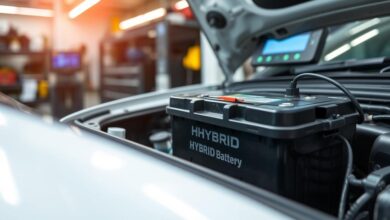
Most modern EVs use lithium‑ion cells, arranged in modules and packs to achieve the required voltage and capacity. The Battery Management System (BMS) monitors each cell’s voltage, temperature, and state of charge, balancing them to prevent over‑charging or deep discharge.
- Voltage range: Typically 300–400 V for passenger EVs, up to 800 V in high‑performance models.
- Capacity: Measured in kilowatt‑hours (kWh), directly influencing driving range.
- Thermal management: Active cooling/heating loops keep cells within an optimal temperature band (usually 20‑30 °C).
When the BMS detects an out‑of‑range condition, it will limit power output or reduce charging speed to protect the ev battery, which is why you sometimes see “charging paused” messages on your dashboard.
Everyday Driving Habits That Preserve Your ev battery
Beyond the technology, the way you drive and park can dramatically affect battery health. Small adjustments in daily routine lead to big gains in longevity and resale value.
Temperature management
Extreme heat accelerates chemical degradation, while severe cold reduces usable capacity. Here’s how to keep the ev battery in its sweet spot:
- Avoid parking in direct sunlight for more than a few hours; use shade or a garage whenever possible.
- Pre‑condition the cabin while the car is still plugged in, especially in hot or cold climates.
- Schedule long trips during milder parts of the day to reduce thermal stress.
Charging etiquette
Not every charge is created equal. Frequent use of fast chargers can heat the pack and shorten its lifespan.
- Charge to 80 % for daily driving; only push to 100 % when you need the extra range.
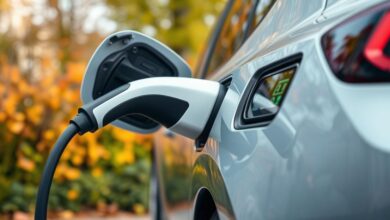
- Use Level 2 home chargers (240 V) for most overnight charging; they’re gentler than DC fast chargers.
- If you must use a fast charger, limit sessions to 30–45 minutes and let the car cool afterward.
Strategic Charging Practices to Maximize ev battery Longevity
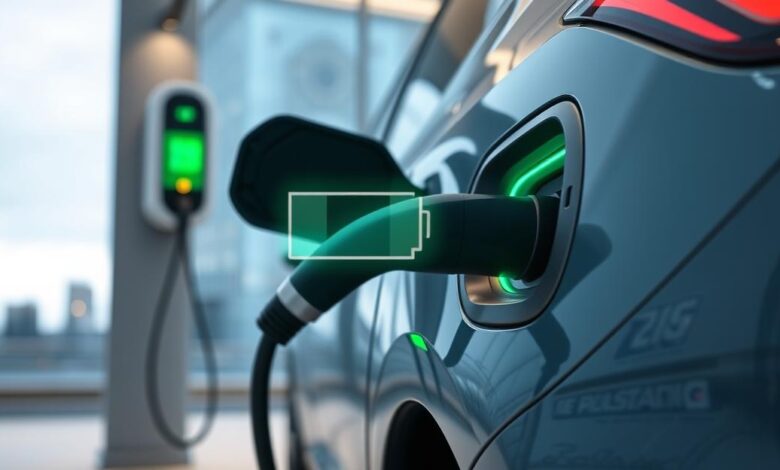
Understanding the differences between charging speeds helps you make cost‑effective choices while protecting the ev battery.
Level 1 vs. Level 2 vs. DC fast charging
Level 1 (120 V) adds roughly 3–5 miles per hour of charging—ideal for occasional short trips. Level 2 (240 V) delivers 15–30 miles per hour, striking a balance between speed and battery health. DC fast charging (400 V+), while convenient, can raise pack temperature by 10–15 °C, accelerating wear.
- Cost: Level 2 home electricity rates are usually lower than public fast‑charging fees.
- Convenience: Fast chargers are best for road trips or when you’re short on time.
- Battery impact: Frequent fast charging can reduce total cycle life by up to 15 %.
Maintenance and Monitoring Tools for Your ev battery
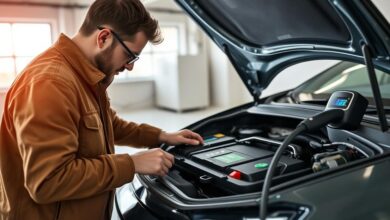
Proactive monitoring catches issues before they become costly repairs. Most manufacturers provide built‑in diagnostics, but third‑party apps can add deeper insight.
Software diagnostics and BMS alerts
When the BMS flags an imbalance, it may trigger a “Battery Health” warning. Respond promptly:
- Check for software updates; manufacturers often release BMS calibrations that improve longevity.
- Use the vehicle’s companion app to review daily charge cycles, temperature trends, and state‑of‑charge graphs.
- Schedule a service appointment if the BMS reports repeated high‑temperature events.
Physical inspections and coolant checks
Some EVs have liquid‑cooled packs. Periodic coolant flushes (every 2–3 years) keep the thermal loop efficient. Inspect connectors for corrosion, especially in regions with road salt.
Financial Benefits of Extending ev battery Life
Preserving the ev battery isn’t just about performance—it directly impacts your wallet. Below we outline how proper care translates into real savings.
Resale value and warranty considerations
Battery health is a primary factor in a used EV’s market price. A well‑maintained pack can retain 80 % of its original capacity after 8 years, keeping resale values high. Most manufacturers offer an 8‑year/100,000‑mile battery warranty; staying within the warranty’s performance thresholds avoids out‑of‑pocket replacements.
Comparison of Cost Savings: Regular Care vs. Early Replacement
Consider two scenarios for a midsize EV with a $7,000 battery pack:
- Scenario A – Regular care: Minimal degradation, battery lasts the full warranty period, no replacement cost.
- Scenario B – Aggressive fast charging & neglect: Battery capacity drops to 70 % after 5 years, requiring a $4,500 replacement out of warranty.
By following the best‑practice charging and temperature guidelines, you can avoid a potential loss of up to $4,500, plus the inconvenience of downtime.
Comparison of Top EV Models in This Category
| Model | Starting Price | Battery Capacity (kWh) | EPA Range | Key Feature | Pros | Best For |
|---|---|---|---|---|---|---|
| Tesla Model Y | $49,990 | 75 | 330 miles | Supercharger network | Fast charging, high efficiency | Tech‑savvy commuters |
| Ford Mustang Mach‑E | $45,595 | 68 | 305 miles | Integrated infotainment | Spacious interior, good handling | Family adventures |
| Hyundai Ioniq 5 | $42,250 | 77 | 311 miles | 800 V ultra‑fast charging | Rapid charge, retro‑futuristic design | Long‑distance travelers |
| Kia EV6 | $41,990 | 77 | 310 miles | Advanced driver assistance | Strong performance, good warranty | Performance‑oriented drivers |
Practical Tips to Implement Today
Putting theory into practice is easier than you think. Follow this quick checklist each week to keep your ev battery in peak condition.
- Set your home charger to stop at 80 % unless you need full range.
- Pre‑condition the cabin while plugged in before each trip.
- Check the BMS app for any temperature spikes after fast‑charging sessions.
- Schedule a coolant system inspection at the 24‑month service interval.
- Rotate parking spots to avoid prolonged sun exposure.
Consistent adherence to these steps can extend the functional life of your ev battery by 20‑30 % and reduce total cost of ownership.
FAQ
Is it better to lease or buy an electric vehicle for battery longevity?
Leasing often includes a full‑term battery warranty, which shields you from replacement costs. However, buying lets you benefit from a well‑maintained battery’s higher resale value. If you plan to keep the car beyond the warranty period, buying and following proper care practices is usually more economical.
What is a good state‑of‑charge range for daily driving?
Most experts recommend keeping the ev battery between 20 % and 80 % for everyday use. This range minimizes stress from both deep discharge and high‑voltage charging, preserving cell health.
How often should I use a fast charger?
Limit fast‑charging sessions to no more than once a week unless you’re on a long road trip. Frequent use raises pack temperature and can shave years off the battery’s usable life.
Can cold weather permanently damage my ev battery?
Cold temperatures temporarily reduce capacity but do not cause permanent damage if the vehicle is pre‑conditioned while plugged in. Avoid charging to 100 % in sub‑freezing conditions, as this can increase internal resistance.
Will a third‑party battery health report affect resale?
Yes. Independent battery health reports (e.g., from EV‑specific inspection services) add credibility and can boost resale price by demonstrating that the ev battery remains within warranty‑level performance.