

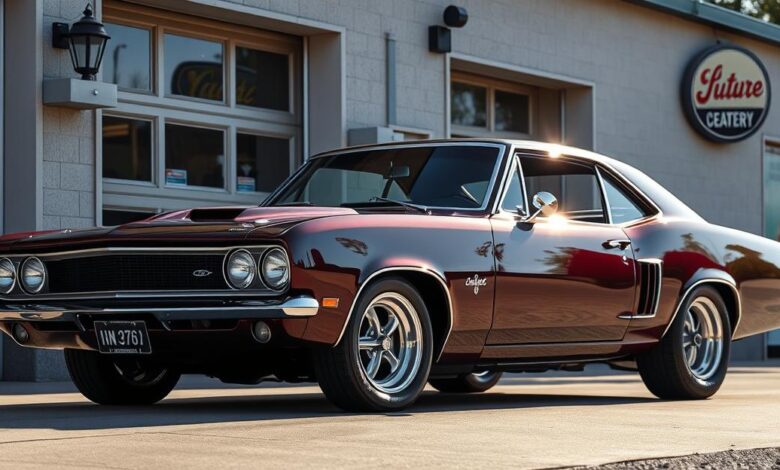
Imagine the thrill of stepping into a perfectly preserved piece of automotive history, the engine’s rumble echoing stories from a bygone era. For many enthusiasts, the allure of classic cars isn’t just about nostalgia—it’s a tangible investment and a gateway to a passionate community. Yet, diving into this world can feel overwhelming for first‑time collectors who must balance dream‑cars with realistic budgets, legal hoops, and long‑term maintenance. This guide cuts through the noise, offering clear, actionable steps to help you find the perfect classic car without the typical guesswork.
Understanding What Makes a Classic Car Worth Collecting
Defining “Classic Cars”
The term “classic cars” can vary by region, but most experts agree on a few core criteria: age (usually 20‑30 years or older), historical significance, and a degree of rarity. In the United States, the Automobile History Museum often uses the 25‑year rule, while the UK’s classic car tax exemption starts at 15 years. Knowing the definition you’re working with helps you target the right market and avoid mislabelled “youngtimers.”
Key Factors: Rarity, Condition, Provenance
- Rarity: Limited production runs or unique trim levels boost desirability.
- Condition: A “concours” level finish (original paint, matching numbers) commands premium prices.
- Provenance: Documented ownership history, especially celebrity or race‑track connections, adds a storytelling premium.
When evaluating a potential purchase, weigh these three pillars against your personal passion and financial goals. A rare model in poor condition may require costly restoration, while a well‑kept but common vehicle can still offer enjoyment and modest appreciation.
Setting a Realistic Budget for First‑Time Collectors
Acquisition Costs vs. Ongoing Expenses
Many newcomers focus solely on the purchase price, but owning classic cars involves a broader cost spectrum:
- Purchase price: Ranges from $5,000 for modest models to over $200,000 for iconic legends.
- Restoration and parts: Even a “as‑is” vehicle may need engine work, body repair, or interior refurbishment.
- Insurance: Classic car policies often cost 10‑30% of standard auto coverage but require agreed‑value appraisal.
- Storage: Climate‑controlled garages or dedicated facilities can run $100‑$500 per month.
- Maintenance: Routine services (oil changes, brake servicing) are more frequent on older engines.
Start by allocating 50% of your budget to the purchase, 30% to restoration and immediate repairs, and 20% to insurance, storage, and ongoing maintenance. Adjust percentages based on the condition of the vehicle you target.
Financing Options and Insurance
Unlike new cars, classic cars rarely qualify for traditional auto loans, but several alternatives exist:
- Specialty lenders: Banks and credit unions with classic‑car loan programs often offer 5‑7% APR for up to 10 years.
- Dealer financing: Some vintage dealers partner with finance companies to provide in‑house loans.
- Personal loans: A flexible option, though interest rates can be higher.
When shopping for insurance, look for policies that cover agreed‑value (the amount you and the insurer agree the car is worth) rather than actual cash value, which can undervalue a restored classic. Many insurers also offer mileage limits—ideal for collectors who drive sparingly.
Where to Find Authentic Classic Cars
Auctions, Dealers, Private Sales
Each acquisition channel has its pros and cons:
- Auctions: Provide access to rare models and transparent bidding, but buyer’s premiums (usually 10‑20%) add cost.
- Specialty dealers: Offer curated selections and often perform pre‑sale inspections, though prices may include dealer markup.
- Private sales: Can be negotiated directly, but due diligence rests entirely on the buyer.
For first‑time collectors, attending a local auction as a spectator before bidding can build confidence and market knowledge.
Online Platforms and Clubs
Digital marketplaces have democratized the search for classic cars:
- Hagerty Marketplace – Listings vetted by classic‑car experts.
- Copart – Auction site with salvage and clean titles.
- ClassicCars.com – Community‑driven classifieds.
Joining clubs such as the Antique Automobile Club of America (AACA) or regional vintage car groups provides insider tips, private sale leads, and mentorship opportunities. Many clubs host monthly meet‑ups where members showcase their vehicles, offering a low‑pressure environment to ask questions and inspect cars up close.
Evaluating Condition and Documentation
Mechanical Inspection Checklist
A thorough pre‑purchase inspection can save thousands in hidden repairs. Use this checklist when you or a trusted mechanic examines a potential classic car:
- Engine compression and oil consumption.
- Timing chain or belt condition.
- Transmission shift quality and fluid condition.
- Brake system integrity – drums, pads, and lines.
- Suspension components for rust or wear.
- Electrical system – wiring harnesses, battery health, and lighting.
- Exhaust system for leaks or corrosion.
Document any findings with photos and written notes. If major issues appear, negotiate a price reduction or request that the seller address them before closing.
Paper Trail: VIN, Service Records, Title
Authenticity hinges on paperwork. Verify the Vehicle Identification Number (VIN) against the title and any historic records. A complete service log demonstrates diligent ownership and can increase resale value. Be wary of:
- Title brands such as “salvage” or “rebuilt” that may affect insurance.
- Missing or altered VIN plates.
- Inconsistent mileage readings across documents.
When buying from a dealer, ask for a Carfax Classic report or an equivalent historic vehicle report. Private sellers should provide original factory paperwork, owner’s manuals, and any restoration receipts.
Comparison of Popular Classic Car Segments for New Collectors
Comparison of Classic Car Segments
| Segment | Typical Price Range | Maintenance Cost (Annual) | Key Feature | Pros | Best For |
|---|---|---|---|---|---|
| American Muscle (e.g., 1969 Camaro) | $25,000 – $70,000 | $1,200 – $2,500 | Powerful V8 engines | Strong enthusiast community, easy parts | Drivers who love performance |
| European Sports (e.g., 1973 Porsche 911) | $80,000 – $200,000 | $2,500 – $5,000 | Precision handling, iconic design | High resale potential, timeless style | Collectors seeking prestige |
| British Classics (e.g., 1965 Jaguar E-Type) | $70,000 – $150,000 | $2,000 – $4,000 | Elegant styling, refined ride | Strong heritage, strong auction demand | Enthusiasts of design |
| Japanese Vintage (e.g., 1978 Datsun 240Z) | $15,000 – $35,000 | $800 – $1,800 | Reliability, affordable parts | Growing collector interest, low entry cost | Budget‑conscious beginners |
| Classic SUVs (e.g., 1990 Land Rover Defender) | $40,000 – $90,000 | $1,500 – $3,000 | Off‑road capability | Versatile for daily use, strong niche market | Collectors needing practicality |
This table highlights how each segment balances price, upkeep, and lifestyle fit. New collectors often start with Japanese vintage models or American muscle cars because they offer lower entry costs and abundant parts, then graduate to higher‑end European sports cars as their expertise and budget grow.
Future‑Proofing Your Collection: Preservation and Resale Value
Storage, Restoration, and Market Trends
Preserving a classic car is as important as the purchase itself. Ideal storage conditions include:
- Temperature‑controlled garage (50–75°F).
- Relative humidity between 30%‑50% to prevent rust and interior cracking.
- Use of breathable car covers rather than plastic sheeting.
When planning a restoration, decide whether to pursue a “full original” rebuild or a “sympathetic” upgrade (e.g., modern brakes with period‑correct aesthetics). Originality often commands higher auction prices, while tasteful upgrades can improve drivability and safety.
Market trends show a steady rise in demand for well‑documented, low‑mileage classic cars, especially those with factory‑original components. Monitoring auction results from Sotheby’s, Barrett‑Jackson, and RM Sotheby’s provides insight into emerging hot models. Additionally, the rise of “digital provenance”—blockchain‑based vehicle histories—may soon become a standard for verifying authenticity, further protecting collector investments.
Building a Network and Staying Informed
Collecting classic cars is a social endeavor. Join online forums, attend regional shows, and subscribe to specialist publications like Classic & Sports Car or Hagerty Magazine. These resources keep you updated on price fluctuations, upcoming auctions, and restoration tips. A solid network can also alert you to off‑market deals before they hit public listings.
Planning for Resale
Even if you intend to keep a vehicle long‑term, consider the eventual exit strategy:
- Maintain meticulous records—photos, receipts, and service logs.
- Avoid excessive modifications that could alienate purist buyers.
- Periodically reassess market value through comparable sales.
By treating your collection as both a passion and an asset, you position yourself for a profitable resale when the time comes.