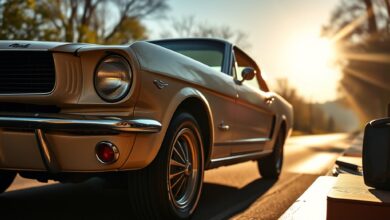

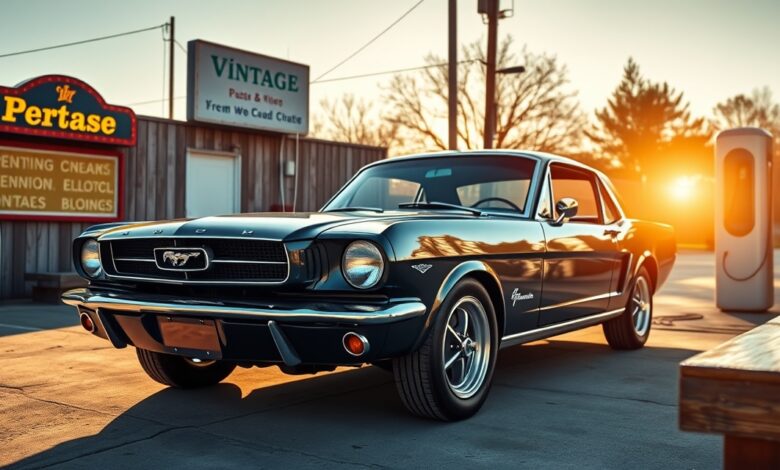
Why Vintage Cars Captivate Collectors in 2024
The roar of a classic V8, the sleek lines of a 1960s sports coupe, and the romance of owning a piece of automotive history make vintage cars more desirable than ever. In a world dominated by silent electric vehicles, enthusiasts are drawn to the tactile connection and raw character that only a well‑preserved classic can provide. Whether you’re hunting for a weekend cruiser or a serious investment, the market for vintage cars has never been more vibrant, with auction houses reporting record‑high bids and online forums buzzing with trade‑offs and restoration tips.
Key Factors to Consider Before Buying Vintage Cars
Purchasing a classic is not the same as buying a new daily driver. A disciplined approach helps you avoid costly mistakes and ensures you get the most joy out of your investment.
Condition and Authenticity
- Originality: Verify that the vehicle’s body, engine, and interior match the factory specifications for its model year.
- Restoration quality: High‑quality, period‑correct restoration adds value, while a poor DIY job can depress the price.
- Documentation: Look for a well‑kept logbook, service records, and original sales paperwork.
Provenance and Ownership History
- Cars with celebrity or race‑track pedigrees command premiums.
- Clear title history reduces the risk of hidden liens or salvage titles.
Maintenance and Parts Availability
- Research the availability of replacement parts; some models have thriving aftermarket ecosystems, while others rely on specialist fabricators.
- Factor in routine maintenance costs—oil changes, brake service, and timing belt replacements can add up quickly.
Budget Beyond the Purchase Price
- Set aside 15‑20% of the purchase price for immediate repairs or upgrades.
- Include insurance, storage, and annual maintenance in your long‑term cost analysis.
Top 5 Vintage Cars to Buy in 2024
These models have proven to hold their value, offer engaging driving dynamics, and are relatively accessible for both new and seasoned collectors.
1. 1965 Ford Mustang Fastback
The Mustang remains the poster child of American muscle. The 1965 Fastback, especially with the 302‑ci V8, delivers a perfect blend of performance and nostalgia. Original examples in good condition often fetch $35,000‑$45,000, but well‑restored units can exceed $70,000.
2. 1970 Porsche 911 Carrera
With its iconic flat‑six engine and timeless silhouette, the 1970 911 is a benchmark for European sports cars. Air‑cooled purity and a relatively simple mechanical layout make it a rewarding project for enthusiasts who enjoy hands‑on maintenance.
3. 1969 Chevrolet Camaro Z/28
Known for its 350‑ci V8 and track‑ready suspension, the Z/28 is a pure driver’s car. Original low‑mileage examples are scarce, but a solid restoration can be a gateway to the high‑performance Camaro community.
4. 1971 Mercedes‑Benz 280SL “Pagoda”
The 280SL’s distinctive soft‑top and elegant “pagoda” roof make it a standout at any car show. Its inline‑six offers a smooth, refined ride, and the model’s reputation for durability translates into lower ownership costs compared to other European classics.
5. 1972 Datsun 240Z (L24)
Japan’s answer to the European sports coupe, the 240Z combines a lightweight chassis with a robust L24 engine. Its rarity in North America has driven up prices, yet it remains one of the most reliable vintage sports cars for daily enjoyment.
Comparison of the Best Vintage Cars for 2024
| Model/Option | Approx. Price (USD) | Engine | Mileage (Typical) | Key Feature | Pros | Best For |
|---|---|---|---|---|---|---|
| 1965 Ford Mustang Fastback | $35,000 – $70,000 | 302‑ci V8 | 30,000 – 80,000 mi | Iconic American muscle | Strong aftermarket support, high resale value | American‑style enthusiasts |
| 1970 Porsche 911 Carrera | $80,000 – $120,000 | 2.7 L flat‑six | 20,000 – 60,000 mi | Air‑cooled heritage | Timeless handling, prestigious badge | European sports car lovers |
| 1969 Chevrolet Camaro Z/28 | $45,000 – $85,000 | 350‑ci V8 | 25,000 – 70,000 mi | Track‑focused suspension | Powerful performance, strong community | Performance‑oriented drivers |
| 1971 Mercedes‑Benz 280SL | $55,000 – $95,000 | 2.8 L inline‑six | 30,000 – 90,000 mi | Pagoda roof design | Refined ride, excellent build quality | Luxury classic collectors |
| 1972 Datsun 240Z (L24) | $30,000 – $55,000 | 2.4 L L‑series inline‑six | 40,000 – 100,000 mi | Lightweight sports coupe | Reliability, affordable entry point | First‑time classic buyers |
Where to Find and Purchase Vintage Cars
Locating the right example requires a mix of online research, networking, and on‑the‑ground scouting.
Auctions and Classic Car Shows
- Major houses such as RM Sotheby’s, Gooding & Co., and Barrett‑Jacobson regularly feature high‑quality vintage models.
- Regional auctions often provide more affordable options, though due diligence on the vehicle’s condition is critical.
Dealer Networks and Specialty Showrooms
- Dealers that specialize in classics usually offer certified pre‑owned programs, which include thorough inspections and limited warranties.
- These showrooms can also assist with financing packages tailored to vintage car buyers.
Private Sales and Online Marketplaces
- Websites like Hemmings, ClassicCars.com, and Bring a Trailer host listings from passionate owners.
- When buying privately, always arrange a pre‑purchase inspection by a qualified classic‑car mechanic.
Financing and Insurance Tips for Vintage Car Enthusiasts
Unlike a new vehicle, a classic often requires alternative financing structures and specialized insurance coverage.
Classic Car Loans
- Specialty lenders evaluate the car’s appraised value rather than the borrower’s credit alone.
- Typical loan‑to‑value ratios range from 70% to 90%, with terms of 5–10 years.
Leasing vs. Buying for Vintage Cars
- Leasing is rare for classics because depreciation curves are non‑linear; buying is usually the preferred route.
- If you opt for a short‑term lease, ensure the contract allows for restoration work and mileage flexibility.
Insurance Considerations
- Look for “agreed‑value” policies that set a fixed payout amount, avoiding market‑value fluctuations after an accident.
- Many insurers offer “waiver of depreciation” and coverage for spare parts, which are essential for historic models.
Future Outlook: How the Vintage Car Market Is Evolving
Even as the automotive industry shifts toward electrification, the demand for well‑preserved classics remains robust.
Electrification of Vintage Platforms
- Several boutique firms are offering electric conversion kits for models such as the 1965 Mustang and 1970 911, marrying classic aesthetics with modern performance.
- These conversions can increase a car’s daily usability while preserving its collector appeal.
Digital Marketplaces and Data‑Driven Valuation
- AI‑powered valuation tools are providing more transparent pricing, helping buyers negotiate with confidence.
- Online communities are becoming key hubs for sharing restoration knowledge and sourcing rare parts.
Regulatory Impacts
- Many jurisdictions are relaxing emissions testing for low‑volume classic vehicles, but it’s essential to stay updated on local regulations before purchasing.
- Future emission standards could boost the popularity of electric conversions for street‑legal classic cars.
Frequently Asked Questions
Is it better to lease or buy a vintage car?
Leasing is uncommon for classics because the depreciation curve is unpredictable and most lease contracts restrict modifications. Buying, especially with a classic‑car loan or cash, gives you full control over restoration, mileage, and eventual resale.
How much should I budget for maintenance on a vintage car?
Plan on spending at least 10%–15% of the car’s purchase price annually on routine maintenance, parts, and unexpected repairs. High‑performance models or those with rare components may require a larger contingency.
Do vintage cars need to pass emissions tests?
Many states exempt low‑volume classic vehicles (usually those over 25 years old) from regular emissions testing, but rules vary. Always verify local requirements before completing a purchase.
Can I get an auto loan for a classic car?
Yes, specialty lenders and some credit unions offer classic‑car loans based on the vehicle’s appraised value. Expect higher interest rates than conventional auto loans and shorter terms.
What insurance coverage is recommended for vintage cars?
Look for an agreed‑value policy that includes coverage for spare parts, restoration work, and a waiver of depreciation. Liability coverage is still required, but you can often reduce it if the car is stored off‑road.