

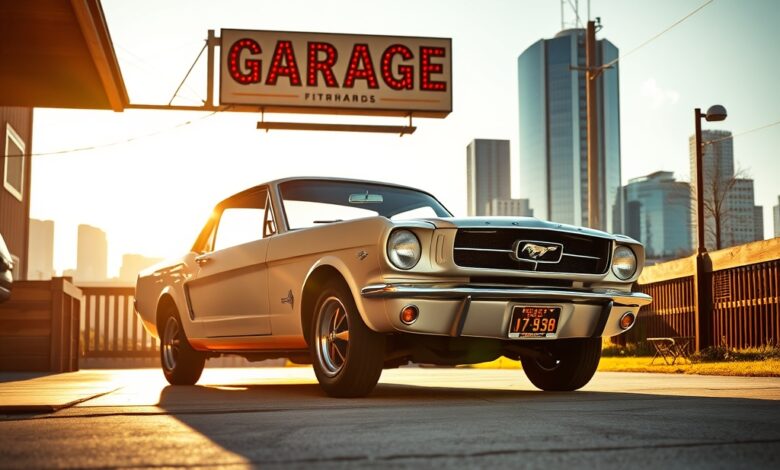
Understanding the Allure of Vintage Cars
The roar of a V8, the sleek lines of a 1960s muscle car, and the stories etched into every dent make vintage cars more than just transportation—they’re rolling pieces of history. For many enthusiasts, the thrill of spotting a pristine 1965 Ford Mustang at an auction feels like finding a needle in a haystack of modern steel and electronics. Whether you’re a seasoned collector or a first‑time buyer, knowing what makes a classic Mustang special helps you avoid costly mistakes and ensures you get the best possible deal.
Why the 1965 Mustang Still Captivates Collectors
The 1965 model year marked the Mustang’s transition from a modest pony car to an American icon. With its iconic “pony” logo, a range of engine choices—from the modest 2.8‑liter inline‑six to the ferocious 289‑cubic‑inch V8—and a design that still turns heads, the 1965 Mustang balances performance, style, and cultural significance.
- Engine variety: Buyers can choose between a fuel‑efficient six‑cylinder or a high‑output V8, depending on driving goals.
- Design heritage: The fastback, convertible, and hardtop body styles each offer a distinct aesthetic, appealing to different collector tastes.
- Market stability: Over the past decade, the 1965 Mustang’s value has risen steadily, making it a smart investment for vintage car enthusiasts.
Setting a Realistic Budget for a Classic 1965 Mustang
Before you chase the perfect example, define how much you’re willing to spend. A clear budget prevents emotional overspending and helps you prioritize between purchase price, restoration costs, and ongoing maintenance.
- Purchase price range: Expect to pay $30,000–$55,000 for a well‑preserved example, with low‑run numbers or rare options pushing beyond $80,000.
- Restoration budget: Full restoration can cost $20,000–$45,000, while a light cosmetic refresh may be under $10,000.
- Running costs: Classic Mustangs require regular maintenance, insurance for vintage vehicles, and sometimes higher fuel costs for V8 engines.
- Contingency fund: Allocate an extra 10‑15 % of the total budget for unexpected repairs or parts scarcity.
Finding the Best Deals: Auctions, Private Sales, and Online Platforms
Locating a quality 1965 Mustang involves navigating several buying channels. Each offers distinct advantages and potential pitfalls.
Auction Houses
Major auction houses such as Barrett-Jackson, Mecum, and RM Sotheby’s specialize in high‑profile classic cars. Auctions provide transparent bidding, professional inspections, and often detailed provenance documentation.
- Pros: Access to rare, well‑documented cars; competitive pricing driven by market demand.
- Cons: Buyer’s premium (typically 10‑15 %); limited time to inspect the vehicle before purchase.
Private Sellers
Buying directly from a private owner can yield better pricing and more flexibility for negotiations. However, the onus is on you to verify authenticity and condition.
- Pros: Potential for lower price; ability to ask detailed questions about the car’s history.
- Cons: No third‑party verification; higher risk of undisclosed issues.
Online Marketplaces
Websites like Hemmings, ClassicCars.com, and Bring a Trailer have become go‑to resources for vintage car hunters. They often feature extensive photo galleries, owner comments, and sometimes video walk‑arounds.
- Pros: Wide selection across the country; searchable filters for price, condition, and location.
- Cons: Variable quality of listings; need for independent inspection before finalizing the sale.
Key Inspection Checklist Before You Buy
A thorough inspection can save you thousands in future repairs. Use this checklist as a guide when evaluating a potential 1965 Mustang.
- Frame and chassis: Look for rust, especially around the floor pan, rear axle tunnels, and suspension mounting points.
- Engine health: Check for oil leaks, compression levels, and signs of overheating. A well‑maintained V8 should have consistent compression across all cylinders.
- Transmission: Verify smooth shifting in both manual and automatic models; listen for whining or grinding noises.
- Electrical system: Test all lights, gauges, and the original wiring harness for corrosion or broken connections.
- Interior condition: Inspect upholstery, dashboard trim, and original accessories like the “pony” badge.
- Originality: Confirm that major components (engine, transmission, body panels) are original or properly documented as period‑correct replacements.
- Documentation: Request the title, VIN verification, and any historic service records or restoration receipts.
Restoration Planning: From Frame to Finish
Restoring a 1965 Mustang can be a rewarding project, but it requires careful planning and realistic expectations. Decide early whether you’ll tackle the work yourself, hire a professional shop, or opt for a partial restoration that balances cost and authenticity.
Choosing the Right Restoration Path
Each approach offers a different blend of control, cost, and final quality. Below is a side‑by‑side comparison to help you decide.
Comparison of Restoration Paths
| Restoration Path | Typical Cost | Time Required | Quality of Finish | Best For |
|---|---|---|---|---|
| DIY Full Restoration | $20,000–$35,000 | 12–24 months | Variable (depends on skill) | Hands‑on enthusiasts with mechanical experience |
| Professional Shop Full Restoration | $35,000–$55,000 | 8–14 months | Show‑room quality, period‑correct | Buyers seeking a turn‑key classic |
| Partial Restoration (Cosmetic Only) | $8,000–$15,000 | 4–8 months | Good, but may retain some wear | Budget‑conscious collectors who plan future upgrades |
Essential Restoration Steps
Regardless of the path you choose, these core steps are common to most successful Mustang restorations.
- Frame repair and rust removal: Address any structural rust first; a sound frame is the foundation of a safe, lasting restoration.
- Engine overhaul: Rebuild the V8 or six‑cylinder to factory specifications, replace worn gaskets, and consider modern upgrades like a high‑flow carburetor for improved performance.
- Transmission service: Replace worn synchros, seals, and clutch components (for manual models) to ensure smooth operation.
- Suspension and brakes: Upgrade to period‑correct shocks and brake components for better handling while preserving original feel.
- Paint and bodywork: Choose a factory‑matched color code; a high‑quality paint job can dramatically increase resale value.
- Interior refurbishment: Restore seats, trim, and original gauges; consider sourcing authentic parts from reputable salvage yards.
- Electrical rewiring: Replace corroded wiring with new harnesses that meet modern safety standards but retain original look.
Legal and Documentation Essentials for Vintage Cars
Owning a classic Mustang isn’t just about aesthetics; you must also navigate legal requirements that differ from modern vehicles.
- Title verification: Ensure the VIN on the vehicle matches the title and any historic registration documents.
- State emissions and safety inspections: Some states exempt vintage cars from emissions testing, but safety inspections may still apply.
- Historic vehicle registration: Registering as a “historic vehicle” can provide tax benefits and lower insurance premiums.
- Insurance considerations: Classic car insurance policies often offer agreed‑value coverage, which protects the restoration investment.
- Import/export regulations: If purchasing internationally, be aware of customs duties, EPA/DOT compliance, and required paperwork for transport.
Maintaining Your Restored 1965 Mustang for the Long Term
Preserving the value and drivability of your restored Mustang requires ongoing care. A proactive maintenance schedule helps prevent the costly repairs that can erode the joy of ownership.
- Routine fluid changes: Replace engine oil, transmission fluid, and brake fluid every 3,000–5,000 miles.
- Protective storage: Keep the car in a climate‑controlled garage or use a high‑quality car cover to shield it from UV damage and moisture.
- Periodic inspections: Schedule annual checks of the chassis, suspension, and electrical system to catch early signs of wear.
- Driving habits: Avoid aggressive acceleration and hard braking to extend the life of the drivetrain and brakes.
- Documentation updates: Keep detailed records of all maintenance and restoration work; this history adds value when you eventually sell.
Frequently Asked Questions
Is it better to buy a fully restored Mustang or a project car?
It depends on your goals and skill set. A fully restored Mustang offers a turn‑key experience with minimal immediate work, ideal for collectors who want to drive right away. A project car, on the other hand, can be purchased at a lower price and offers the satisfaction of hands‑on restoration, but it requires time, tools, and expertise.
How can I verify the originality of a 1965 Mustang?
Request the original build sheet, VIN verification, and any service records. Compare the car’s components—engine, transmission, interior trim—to factory specifications. Consulting a reputable classic car appraiser can also provide an expert opinion on originality.
What are the insurance options for a vintage Mustang?
Classic car insurance policies typically offer agreed‑value coverage, which guarantees a payout based on the car’s appraised value. Look for policies that include roadside assistance, spare parts coverage, and flexible mileage limits.
Can I register my Mustang as a historic vehicle to lower taxes?
Many states allow registration as a historic or antique vehicle if the car is at least 25 years old. This classification often reduces registration fees and may provide tax advantages, but it can also limit the mileage you’re allowed to drive annually.
What is a realistic resale value after a full restoration?
After a high‑quality full restoration, a 1965 Mustang typically sells for 10‑20 % above the purchase price, depending on rarity, condition, and market demand. Maintaining thorough documentation of the restoration process can further boost resale value.