
Why Classic Cars Capture the Collector’s Heart
There’s a unique thrill that runs through the veins of any enthusiast who spots a pristine classic car at a weekend car show or an online auction. The roar of a hand‑crafted V8, the timeless lines of a 1960s coupe, and the sense of owning a piece of automotive history combine to create an experience no modern vehicle can replicate. For collectors, the decision to add a new gem to their garage is more than a purchase; it’s an investment in heritage, craftsmanship, and future appreciation.
Key Factors to Consider Before Buying Classic Cars
Budget and Total Cost of Ownership
Setting a realistic budget goes far beyond the headline auction price. Classic cars often require specialized parts, expert labor, and higher insurance premiums. Include the following line items in your financial model:
- Purchase price (including buyer’s premium)
- Transportation and import fees
- Restoration or maintenance costs
- Storage (climate‑controlled garage or facility)
- Specialty insurance and appraisal fees
Most seasoned collectors allocate 20‑30 % of the purchase price for ongoing upkeep, especially in the first two years of ownership.
Authenticity and Documentation
Provenance is the lifeblood of a valuable classic car. Verify the vehicle’s VIN, original build sheet, and any factory service records. Look for:
- Original engine and transmission numbers matching factory specifications
- Period‑correct trim, badges, and interior fabrics
- Historical ownership documentation (e.g., previous owners, newspaper ads)
When documentation is incomplete, the market value can drop 15‑40 %.
Mechanical Condition vs. Restoration Potential
Decide early whether you prefer a car that drives today or a project that will increase in value after a full restoration. Consider these questions:
- Is the engine block in original condition or a later replacement?
- Do the chassis and suspension components show signs of rust or fatigue?
- Can you source period‑correct parts without excessive lead time?
A well‑documented, mechanically sound example often commands a premium, but a solid restoration platform can yield higher returns if you have the time and expertise.
Top 2024 Picks for Classic Car Collectors
What Makes These Models Stand Out
The 2024 market has highlighted a handful of models that consistently attract strong bids at auction houses and private sales. Their appeal lies in a blend of rarity, iconic design, and proven appreciation trends. Below is a quick snapshot of why each model is a must‑watch for serious collectors.
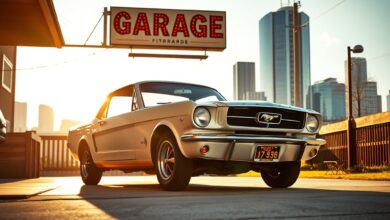
- 1965 Ford Mustang Fastback – The original pony car with a legendary V8 soundtrack.
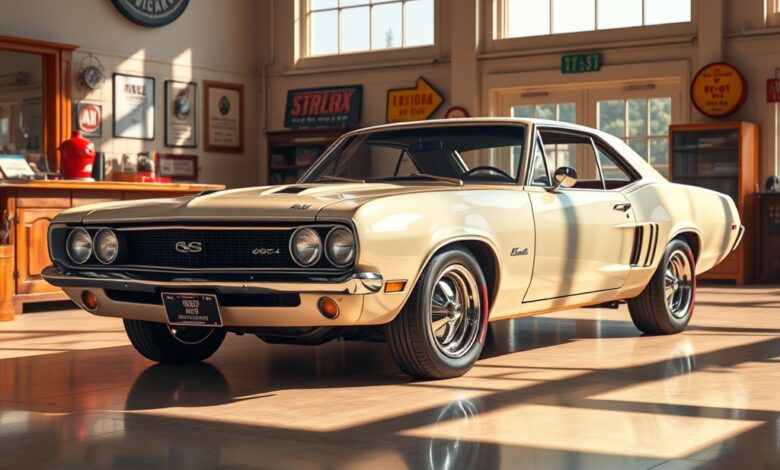
- 1970 Chevrolet Chevelle SS 454 – A muscle car powerhouse with a 450 hp big‑block engine.
- 1959 Porsche 356 Speedster – Early Porsche engineering with a lightweight, rear‑engine layout.
- 1972 Jaguar E-Type Series 1 – Often called “the most beautiful car ever made.”
- 1967 Mercedes-Benz 280SE “Pagoda” – A luxury sedan with timeless styling and advanced engineering for its era.
Comparison of 2024 Classic Car Picks
| Model | Year | Typical Auction Price | Condition Range | Key Feature | Best For |
|---|---|---|---|---|---|
| Ford Mustang Fastback | 1965 | $55,000 – $120,000 | Original, Restored, Project | Iconic V8 and cultural legacy | American muscle enthusiasts |
| Chevrolet Chevelle SS 454 | 1970 | $70,000 – $150,000 | Restored, Project | 450 hp big‑block power | High‑performance collectors |
| Porsche 356 Speedster | 1959 | $120,000 – $250,000 | Original, Fully Restored | Lightweight rear‑engine dynamics | European sports car purists |
| Jaguar E-Type Series 1 | 1972 | $150,000 – $300,000 | Original, Restored | Timeless design, 4.2 L I6 | Luxury classic aficionados |
| Mercedes‑Benz 280SE “Pagoda” | 1967 | $85,000 – $180,000 | Original, Restored | Distinctive roofline, smooth V8 | European sedan collectors |
Financing and Insurance Strategies for Classic Car Purchases
Specialized Classic Car Loans
Traditional auto loans rarely fit the unique risk profile of a classic car. Lenders that specialize in collector vehicles evaluate the car’s market value, rarity, and projected appreciation rather than just the borrower’s credit score. Typical terms include:
- Loan‑to‑value (LTV) ratios of 70‑80 %
- Interest rates ranging from 4 % to 7 % APR
- Repayment periods of 5‑10 years
- Collateral clauses that allow the lender to repossess the vehicle if payments default
Working with a reputable classic car finance broker can secure better rates and flexible repayment structures.
Insurance Considerations
Insuring a collector vehicle requires “agreed‑value” policies that pay out the pre‑determined market value, not the actual cash value after depreciation. Key coverage options include:
- Liability and collision for road‑legal driving
- Comprehensive coverage for theft, fire, and natural disasters
- Agreed‑value replacement with a reputable classic car insurer
- Limited mileage policies to keep premiums manageable
Many insurers also offer discounts for vehicles stored in secure, climate‑controlled facilities.
Legal and Auction Tips for Acquiring Classic Cars
Understanding Auction Terms
Every auction house has its own set of rules that can affect the final cost. Pay attention to:
- Buyer’s premium (usually 5‑10 % of the hammer price)
- Reserve price – the minimum the seller will accept
- Inspection windows – when you can physically examine the car before bidding
- Payment deadlines – often within 24‑48 hours after the sale
Read the auction’s catalogue carefully; hidden fees can quickly erode your profit margin.
State Regulations and Title Transfers
Transferring ownership of a classic car varies by state. Common requirements include:
- Bill of sale with VIN, mileage, and seller’s signature
- Emissions testing exemptions for vehicles over 25 years old (varies by jurisdiction)
- Registration fees based on vehicle weight and age
- Proof of insurance before the title can be issued
Hiring a title specialist or using a reputable escrow service can streamline the process and protect you from title fraud.
Future Trends: How Technology Is Shaping the Classic Car Market
While classic cars celebrate the past, modern technology is influencing how collectors buy, store, and enjoy them. Digital platforms now provide real‑time market data, while blockchain is being explored for immutable provenance records. Additionally, retro‑fitting classic models with discreet electric drivetrains is gaining traction, allowing owners to meet low‑emission city regulations without sacrificing the original aesthetic. Keep an eye on these emerging trends, as they may affect both resale values and the legal landscape for historic vehicles.
FAQ
What is the best way to verify a classic car’s authenticity?
Start with a VIN check through the National Highway Traffic Safety Administration (NHTSA) or a trusted classic car database. Compare the VIN, engine number, and chassis number to factory records. Request original build sheets, service logs, and any provenance paperwork from previous owners. When possible, have a qualified appraiser conduct a physical inspection.
Should I finance a classic car or pay cash?
Both options have merits. Financing preserves cash flow and can leverage low interest rates from specialty lenders, but it adds a monthly obligation and may require a higher down payment. Paying cash eliminates interest costs and simplifies the purchase, but it ties up capital that could be invested elsewhere. Evaluate your overall financial plan and consider the vehicle’s projected appreciation before deciding.
How much insurance does a classic car typically need?
Most collectors opt for agreed‑value policies that cover the vehicle’s market value, not its depreciated value. Look for coverage that includes liability, collision, comprehensive, and limited mileage options. Premiums vary widely based on storage conditions, driver history, and the car’s rarity, but budgeting 1‑2 % of the car’s value annually is a good rule of thumb.
Are there tax benefits to owning classic cars?
In many jurisdictions, classic cars classified as “collectibles” may qualify for favorable capital gains tax treatment if held for more than a year. Additionally, some states offer reduced registration fees for vehicles over 25 years old. Consult a tax professional familiar with automotive collectibles to maximize potential benefits.
Can I convert a classic car to electric power without losing value?
Electric conversions are becoming more accepted, especially for models that cannot meet modern emissions standards. However, a conversion may affect originality, which is a key factor in valuation. If preserving market value is paramount, keep the original drivetrain and consider a reversible conversion or a separate electric project car.