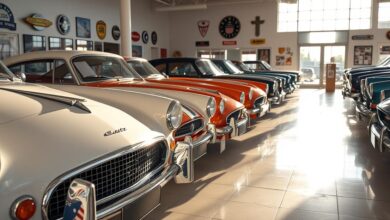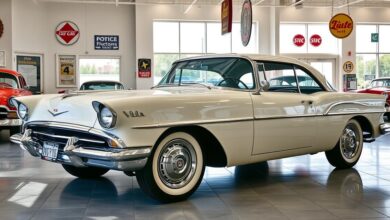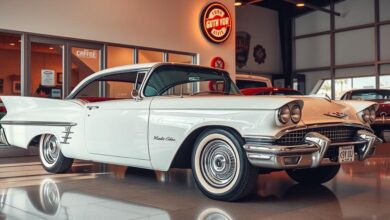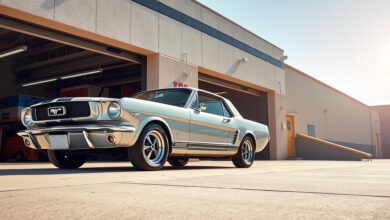

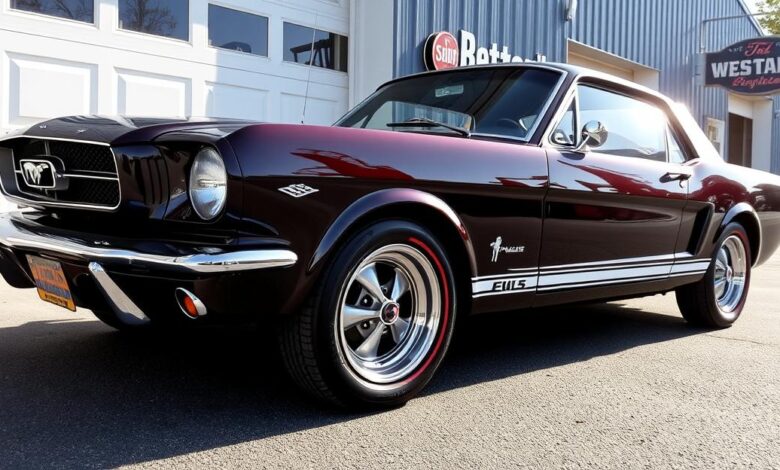
Imagine the roar of a hand‑cranked engine, the gleam of polished chrome, and the unmistakable scent of aged leather – that’s the thrill that pulls collectors toward vintage cars. Whether you’re a seasoned enthusiast or a newcomer eager to start a timeless collection, the journey begins with the right knowledge. In a market flooded with replicas and restorations, spotting an authentic gem can feel like hunting for treasure. This guide walks you through every step, from defining what truly qualifies as a vintage car to preserving its legacy for decades to come.
Understanding What Makes a Car Vintage
Defining Vintage Cars
While the term “vintage” is often used loosely, most experts agree that a vehicle must be at least 25 years old to earn the label. However, the classification can vary by region and by the standards of specific clubs or registries. In the United States, the Antique Automobile Club of America (AACA) designates “vintage” as cars built between 1919 and 1930, whereas the United Kingdom’s Vintage Car Club focuses on pre‑World War II models. Knowing these nuances helps you target the right era when searching for vintage cars.
Key Characteristics to Look For
When you’re evaluating a potential addition, keep an eye on these hallmarks of authenticity:
- Original chassis and engine numbers that match factory records.
- Period‑correct components such as headlights, upholstery, and trim.
- Documentation including original sales receipts, service logs, and registration papers.
- Condition grading (e.g., “concours,” “show,” “driver”) which indicates the level of restoration or originality.
These factors not only affect the vehicle’s value but also its eligibility for historic vehicle events and tax incentives.
Setting a Realistic Budget for Your Vintage Car Purchase
Cost Factors Beyond the Sticker Price
The purchase price is just the beginning. Vintage cars often require additional investment for transport, storage, and immediate maintenance. Consider these hidden costs:
- Shipping and logistics: Specialized carriers or crating can add $1,000–$5,000.
- Storage: Climate‑controlled facilities run $100–$300 per month.
- Immediate repairs: Even well‑maintained classics may need a new timing belt, brake overhaul, or rust remediation, which can easily exceed $3,000.
- Insurance premiums: Classic car policies are priced based on agreed‑value, not market value, and may range from $500 to $2,500 annually.
Financing Options for Classic Collectibles
Unlike new vehicles, most banks are hesitant to offer standard auto loans for vintage cars. Here are the most common financing routes:
- Specialty classic car lenders: Institutions like Hagerty and Classic Auto Finance provide loans up to 75% of the appraised value, often with terms of 5–10 years.
- Home equity lines of credit (HELOC): If you own substantial equity, a HELOC can be a flexible, low‑interest option.
- Private financing: Some dealers or private sellers will accept a structured payment plan, but always get a written agreement.
Before committing, compare interest rates, fees, and repayment schedules to ensure the financing method aligns with your long‑term ownership goals.
Where to Find Authentic Vintage Cars
Auctions, Dealers, and Private Sales
Each acquisition channel offers distinct advantages:
- Auctions: Major houses like Barrett‑Jackson, RM Sotheby’s, and Bonhams attract high‑quality specimens, often with provenance documentation. Expect buyer’s premiums of 10%–20%.
- Specialty dealers: Certified classic car dealers conduct thorough inspections and may offer limited warranties.
- Private sales: Direct owner transactions can yield better prices, but due diligence is critical to verify authenticity.
Online Platforms and Community Networks
Digital marketplaces have democratized access to vintage cars. Popular sites include:
- Hagerty Marketplace – Listings verified by classic car experts.
- Copart – Auction platform featuring salvage and clean title classics.
- ClassicCars.com – Community‑driven classifieds with detailed photos and history reports.
Joining clubs such as the Vintage Car Club of America or local enthusiast groups can also provide insider leads on off‑market finds.
Evaluating Condition and Documentation
Mechanical Inspection Checklist
A thorough mechanical inspection is non‑negotiable. Use this checklist during a pre‑purchase visit:
- Engine compression test – Look for consistent pressure across all cylinders.
- Transmission shift quality – Verify smooth engagement in all gears.
- Brake system integrity – Inspect drums or discs for wear, rust, and fluid condition.
- Suspension and frame – Check for rust, cracks, or previous repairs.
- Electrical system – Confirm proper operation of lights, gauges, and ignition.
Enlist a certified classic car mechanic if you lack the expertise; their hourly rates are a worthwhile investment.
Paper Trail: Titles, VIN, and Provenance
Authenticity hinges on documentation. Verify that the Vehicle Identification Number (VIN) matches the title and any historical records. Look for:
- Original factory window stickers or build sheets.
- Previous ownership logs, especially if the car has a notable provenance (e.g., former race car, celebrity ownership).
- Restoration receipts that detail parts used and work performed.
When buying at auction, request a pre‑sale condition report and confirm that the seller has clear title to avoid hidden liens.
Comparison of Popular Vintage Car Segments
| Segment | Typical Starting Price | Key Era | Iconic Model | Maintenance Complexity | Best For |
|---|---|---|---|---|---|
| British Sports | $35,000 | 1960‑1970 | MG MGB | Moderate – simple inline‑four, widely available parts | New collectors seeking affordable entry |
| American Muscle | $55,000 | 1965‑1972 | Ford Mustang GT | High – V8 upkeep, potential rust issues | Enthusiasts who love raw power |
| German Engineering | $80,000 | 1970‑1985 | Porsche 911 (964) | High – air‑cooled engines need specialist care | Collectors focused on performance heritage |
| Japanese Classics | $30,000 | 1970‑1990 | Datsun 240Z | Low – robust mechanicals, parts plentiful | Budget‑conscious buyers seeking reliability |
Preserving and Enjoying Your New Classic
Maintenance Planning
Regular upkeep preserves value and keeps the driving experience authentic. Create a maintenance calendar that includes:
- Quarterly oil changes with period‑correct oil specifications.
- Annual chassis inspection for rust, especially in undercarriage and wheel wells.
- Bi‑annual brake system service to replace pads, shoes, and fluid.
- Seasonal storage protocols – using a breathable cover and maintaining humidity levels below 50%.
Document every service in a dedicated logbook; future buyers will appreciate a complete history.
Insurance and Legal Considerations
Classic car insurance differs from standard auto policies. Look for these features:
- Agreed‑value coverage: Guarantees a predetermined payout in case of total loss.
- Limited mileage clauses: Some policies cap annual mileage to keep the car in “show” condition.
- Usage flexibility: Ensure the policy covers participation in club events, parades, and track days.
Additionally, verify that your state’s registration requirements for historic vehicles are met. Some jurisdictions offer reduced fees or special plates for cars over a certain age.
Driving Experience and Community Involvement
Owning a vintage car is as much about lifestyle as it is about the vehicle itself. To fully enjoy your acquisition:
- Join local classic car clubs – they host monthly drives, technical workshops, and social events.
- Participate in historic racing series or concours d’élégance – these events showcase your car and help you network with fellow enthusiasts.
- Document your journeys with high‑resolution photography and video; sharing stories online can increase the car’s provenance and future resale appeal.
Remember, the joy of vintage cars lies in the balance between preservation and the pleasure of taking the wheel.
Future Trends in the Vintage Car Market
Even classic collectors are feeling the ripple effects of modern automotive trends. Anticipate these shifts:
- Electrification of classics: Companies are offering electric conversion kits for popular models, expanding the collector base while meeting stricter emissions regulations.
- Digital provenance tools: Blockchain‑based certificates are emerging to verify a car’s history and combat counterfeit documentation.
- Rising demand for low‑volume models: As the market saturates with mainstream classics, rarer niche models (e.g., limited‑run Italian grand tourers) are appreciating faster.
Staying informed about these trends ensures your collection remains both enjoyable and financially sound.
FAQ
What defines a vintage car versus a classic car?
A vintage car typically refers to vehicles built before 1940, while “classic” is a broader term that usually includes cars at least 25 years old. Specific clubs may have their own definitions, so always check the criteria of the organization you plan to join.
Is it better to buy a fully restored vintage car or a project car?
It depends on your goals.