
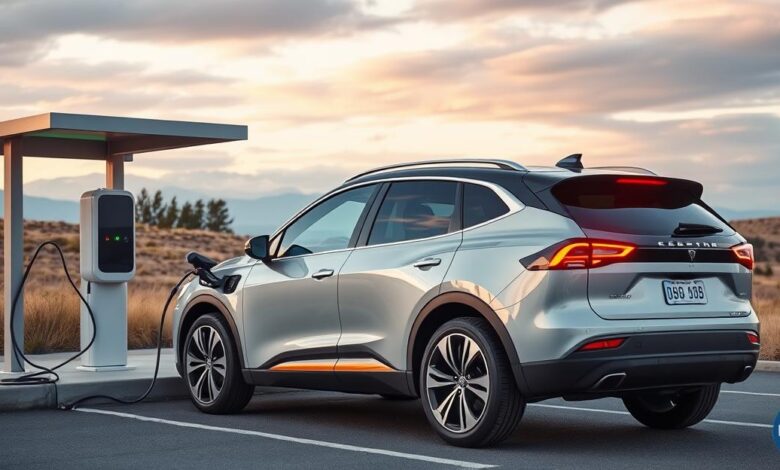
Why Electric SUVs Are Ideal for Family Road Trips
The road‑trip renaissance is being powered by a new generation of electric SUVs that combine spacious interiors with zero‑emission performance. Families are drawn to electric SUVs because they offer the range to cross state lines, the cargo capacity for gear, and the quiet ride that makes long hauls less tiring. As charging networks expand, the anxiety once associated with electric vehicles is fading, making electric SUVs the practical choice for weekend getaways and cross‑country adventures.
Beyond the environmental appeal, electric SUVs deliver instant torque that helps with highway merging and hill climbing—essential for mountainous routes or coastal drives. Their built‑in infotainment systems keep kids entertained, while advanced driver‑assist features add a layer of safety on busy highways. In short, the blend of efficiency, comfort, and technology positions electric SUVs at the forefront of modern family travel.
Key Criteria When Choosing an Electric SUV
Not every electric SUV is created equal. To ensure you pick a model that meets the demands of family road trips, focus on the following criteria.
Range and Real‑World Efficiency
Look for an EPA‑rated range of at least 250 miles. Real‑world efficiency can drop 10‑20% in cold weather or when carrying a full load, so a buffer of 30‑40 extra miles is wise.
Seating Capacity and Cargo Space
Three rows of seats are a must for larger families, but the third row should be comfortable for adults on longer trips. Aim for a minimum of 70 cubic feet of cargo volume with the rear seats folded.
Charging Speed and Accessibility
Fast‑charging capability (at least 150 kW) reduces downtime at rest stops. Verify that the SUV supports both CCS and CHAdeMO standards, and check the availability of DC fast chargers along your typical routes.
Family‑Friendly Tech
Features like rear‑seat entertainment screens, multiple USB‑C ports, and Wi‑Fi hotspot capability keep passengers happy. Integrated navigation that highlights charging stations is a game‑changer for long journeys.
Safety and Driver‑Assist Systems
Look for models equipped with adaptive cruise control, lane‑keeping assist, and automatic emergency braking. High safety ratings from NHTSA and IIHS are especially important for family vehicles.
Top Electric SUVs for Family Road Trips in 2026
Based on range, interior space, charging infrastructure, and overall value, the following electric SUVs stand out for families planning extensive road trips in 2026.
Comparison of Leading Family‑Focused Electric SUVs
| Model | Starting Price | EPA Range | Seating / Cargo | Fast‑Charge Rate | Key Family Feature |
|---|---|---|---|---|---|
| Tesla Model X Plaid | $119,990 | 340 miles | 7‑seat / 88 ft³ | 250 kW | Falcon‑wing doors + 22‑inch infotainment |
| Ford Mustang Mach‑E 4‑Row | $55,300 | 285 miles | 7‑seat / 73 ft³ | 210 kW | Rear‑seat entertainment package |
| Volkswagen ID.8 | $48,900 | 300 miles | 7‑seat / 75 ft³ | 200 kW | Integrated Wi‑Fi hotspot |
| Hyundai Ioniq 6 SUV (Concept) | $49,500 | 320 miles | 6‑seat / 78 ft³ | 230 kW | Advanced climate‑control zones |
| Rivian R1S | $78,000 | 316 miles | 7‑seat / 84 ft³ | 200 kW | Adventure‑ready off‑road package |
Model Spotlights
Tesla Model X Plaid remains the benchmark for performance and range. Its 340‑mile EPA rating and 250 kW charging capability mean you can top off at a Supercharger in under 30 minutes. The spacious cabin and optional third‑row seating make it perfect for a family of five plus luggage.
Ford Mustang Mach‑E 4‑Row offers a more affordable entry point without sacrificing range. With a 285‑mile range and a robust suite of SYNC 4A infotainment features, it balances fun and practicality. The rear‑seat entertainment package adds dual screens, ideal for keeping kids occupied.
Volkswagen ID.8 brings European design flair and a user‑friendly interior. Its 300‑mile range and 200 kW fast‑charge support make it a solid mid‑range option. The built‑in Wi‑Fi hotspot ensures all devices stay connected on the road.
Hyundai Ioniq 6 SUV (Concept) is set to launch early 2026, promising a 320‑mile range and a quiet cabin thanks to acoustic glass. The advanced climate‑control zones let each row set its own temperature, a subtle but appreciated feature on long trips.
Rivian R1S targets adventure‑oriented families. Its robust off‑road capability, combined with a 316‑mile range, means you can explore national parks without worrying about charging. The optional gear tunnel adds extra storage for camping equipment.
Financing and Incentives for Electric SUVs
Purchasing an electric SUV is a sizable investment, but a variety of financing options and government incentives can make it more affordable. Understanding these tools helps families stay within budget while enjoying the benefits of zero‑emission travel.
Leasing vs. Buying
- Leasing often requires a lower down payment and offers the flexibility to upgrade to newer technology after 36‑48 months. Ideal for families who want the latest safety and infotainment upgrades.
- Buying builds equity and eliminates mileage restrictions. If you plan to keep the SUV for 8‑10 years, buying typically yields a better total cost of ownership.
When comparing, factor in the expected annual mileage. Most leases cap at 10,000–15,000 miles per year—perfect for moderate road‑trip families but limiting for those who travel extensively.
Federal and State Tax Credits
In 2026, the federal EV tax credit can reach up to $7,500, depending on battery capacity and manufacturer sales volume. Many states add additional rebates ranging from $1,000 to $5,000, plus reduced registration fees and HOV lane access.
Check your state’s Department of Motor Vehicles website for the latest incentive calendar. Remember that credits apply to the vehicle’s final purchase price after dealer discounts.
Low‑Interest Green Loans
Credit unions and online lenders now offer “green” auto loans with interest rates as low as 1.9% APR for qualified borrowers. These loans often include flexible repayment terms up to 84 months, allowing families to spread payments without excessive interest.
Employer and Utility Programs
Some large employers provide EV purchase assistance as part of their benefits package. Additionally, many utility companies offer discounted home‑charging rates or even free installation for qualifying electric SUVs.
Maintenance, Charging, and Real‑World Range Tips
Owning an electric SUV differs from traditional gasoline vehicles, especially when you’re planning long trips. Proper maintenance and smart charging habits keep your electric SUVs ready for the road.
Routine Maintenance Checklist
- Inspect tire pressure monthly; under‑inflated tires can reduce range by up to 5%.
- Schedule battery health checks every 12‑18 months at a certified service center.
- Update software regularly to benefit from efficiency improvements and new navigation features.
- Replace cabin air filters annually to maintain air quality for passengers.
Optimizing Charging on the Road
- Plan stops at DC fast chargers every 150‑200 miles to keep charging sessions under 30 minutes.
- Utilize pre‑conditioning while the vehicle is still plugged in to bring the cabin to a comfortable temperature before departure, conserving battery.
- Take advantage of “charging corridors” such as the Electrify America network, which offers real‑time availability on vehicle dashboards.
Extending Real‑World Range
- Drive in Eco or Whisper mode when cruising on highways to limit power draw.
- Avoid rapid acceleration; smooth throttle inputs improve efficiency.
- Limit the use of climate control on short trips—use seat heaters instead of cabin heating when possible.
- Keep cargo organized and avoid overloading; excess weight directly impacts range.
Future Trends Shaping Electric SUVs for Families
The electric SUV segment is evolving rapidly, and several upcoming trends will further enhance family road‑trip experiences.
Solid‑State Batteries
By 2027, several manufacturers aim to launch solid‑state battery packs offering 20‑30% higher energy density. This translates to longer ranges without increasing vehicle weight—a boon for families needing extra mileage.
Integrated Solar Roofs
Solar‑roof technology is moving from concept to production. Roof panels that generate a few kilowatts per hour can add up to 15 extra miles of range per day—useful for camping trips where grid power is scarce.
Vehicle‑to‑Load (V2L) Capability
Some electric SUVs now feature V2L ports that allow the vehicle’s battery to power external devices, from camping refrigerators to power tools. This feature turns the SUV into a mobile power station, expanding its utility on remote road trips.
Enhanced Autonomous Driving
Level‑3 driver‑assist systems are expected to become standard in many electric SUVs by 2026, offering hands‑off highway cruising. For families, this reduces driver fatigue on long stretches and improves overall safety.
Smart Home Integration
Future electric SUVs will sync with smart home ecosystems, enabling you to pre‑heat or pre‑cool the cabin from your phone while the car is still at home, optimizing energy use and ensuring comfort from the moment you step inside.
Conclusion: Choosing the Right Electric SUV for Your Family
When selecting an electric SUV for family road trips, balance range, interior space, charging speed, and technology. The models highlighted above provide a solid starting point, but your final decision should reflect your typical travel distances, budget, and preferred features. By leveraging available incentives, financing wisely, and adopting smart charging habits, families can enjoy the freedom of long‑distance travel while reducing their carbon footprint.
Frequently Asked Questions
Is it better to lease or buy an electric SUV for a growing family?
Leasing offers lower monthly payments and the ability to upgrade every few years, which is helpful if you anticipate needing more space or newer tech as your family grows. Buying, however, eliminates mileage caps and builds equity, making it more cost‑effective if you plan to keep the vehicle for 8‑10 years.
How much does a typical electric SUV cost to charge on a road trip?
Charging costs vary by region, but on average, a DC fast charger charges at $0.30 per kWh. For an SUV with a 75 kWh battery, a full charge costs about $22.50. Most long‑distance trips require two to three fast‑charging stops, so budget roughly $60‑$80 for a coast‑to‑coast journey.
What is a realistic range for a used electric SUV in winter?
Cold temperatures can reduce EPA‑rated range by 10‑20%. A used electric SUV advertised with a