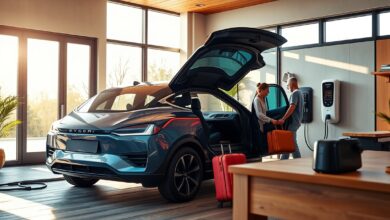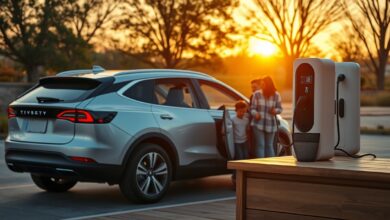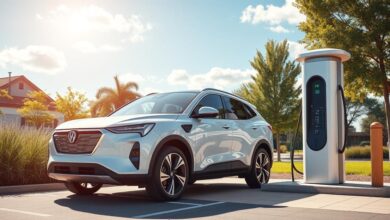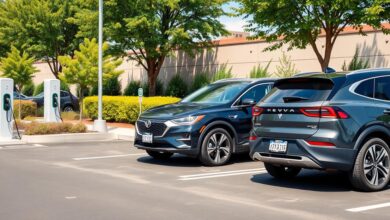

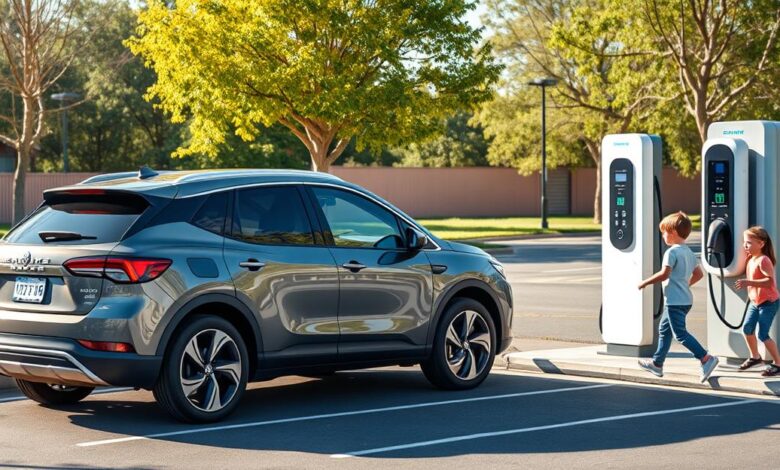
The automotive landscape is undergoing a seismic shift, and families are at the forefront of this electrified revolution. As cities tighten emissions rules and charging networks expand, electric SUVs have emerged as the perfect blend of space, safety, and sustainability. Whether you’re shuttling kids to school or loading up for a weekend adventure, the right electric SUV can deliver zero‑emission confidence without compromising on comfort or capability.
Key Criteria for Selecting a Family‑Friendly Electric SUV
Choosing the best electric SUV for a family goes beyond range and price. Below are the essential factors that should shape your decision‑making process.
Passenger Volume and Flexible Seating
- Three‑row configurations provide room for 7‑8 passengers, ideal for carpooling.
- Split‑folding second‑row seats allow easy transition between cargo and passenger space.
- Adjustable headrests and ample legroom keep both kids and adults comfortable on long trips.
Cargo Capacity and Practical Storage
- Look for a minimum of 30 cubic feet of cargo space behind the third row, expanding to 70+ cubic feet with rows folded.
- Integrated tie‑down points and a flat load floor simplify loading strollers, sports gear, and groceries.
- Rear‑hatch designs with low opening heights reduce strain when loading heavy items.
Range, Efficiency, and Real‑World Driving
- Families need a realistic daily range of at least 250 miles to cover school runs, errands, and weekend trips.
- EPA‑rated MPGe figures give a clear picture of energy consumption under mixed‑city/highway conditions.
- Consider fast‑charging capability (150 kW or higher) to top up the battery in under 30 minutes.
Safety Technology and Ratings
- Five‑star NHTSA scores and IIHS Top Safety Pick+ designations are non‑negotiable for family vehicles.
- Advanced driver‑assist systems (ADAS) such as adaptive cruise control, lane‑keeping assist, and automatic emergency braking add an extra layer of protection.
- Child‑seat anchorage (LATCH) points in the second and third rows simplify installation.
Ownership Costs and Incentives
- Federal tax credits (up to $7,500) and state rebates can shave thousands off the sticker price.
- Lower fuel costs—electricity is typically 2–3 × cheaper than gasoline per mile.
- Reduced maintenance (no oil changes, fewer moving parts) translates into long‑term savings.
Top Electric SUVs for Families in 2026
After evaluating space, range, safety, and value, the following models stand out as the best electric SUVs for families this year.
2026 Tesla Model Y Long Range
- Seating: 7‑passenger option with optional third‑row bench.
- Range: 330 miles (EPA).
- Charging: Up to 250 kW Supercharger support.
- Key Feature: Integrated infotainment with over‑the‑air updates.
2026 Ford Mustang Mach‑E Premium AWD
- Seating: 5‑passenger, but offers generous rear‑seat legroom.
- Range: 300 miles.
- Charging: 150 kW fast‑charge capable.
- Key Feature: Co‑pilot 2.0 driver‑assist suite.
2026 Hyundai Ioniq 6 (Extended‑Length SUV Variant)
- Seating: 7‑passenger with flat‑folding third row.
- Range: 340 miles.
- Charging: 220 kW ultra‑fast charging.
- Key Feature: Solar roof panel adds up to 5 miles of range per day.
2026 Kia EV9
- Seating: 7‑passenger with flexible second‑row configurations.
- Range: 300 miles.
- Charging: 200 kW DC fast charge.
- Key Feature: Sustainable interior using recycled materials.
2026 Volkswagen ID.8
- Seating: 7‑passenger, easy‑access sliding doors.
- Range: 280 miles.
- Charging: 125 kW fast charge.
- Key Feature: Integrated home charger with smart‑grid communication.
Comparison of Leading Family Electric SUVs
| Model | Starting Price | EPA Range | Seating Capacity | Fast‑Charge Speed | Key Family Feature |
|---|---|---|---|---|---|
| Tesla Model Y Long Range | $55,990 | 330 miles | 7 (optional) | 250 kW | Supercharger network, OTA updates |
| Ford Mustang Mach‑E Premium AWD | $53,500 | 300 miles | 5 | 150 kW | Co‑pilot 2.0 ADAS |
| Hyundai Ioniq 6 SUV | $58,200 | 340 miles | 7 | 220 kW | Solar roof for extra range |
| Kia EV9 | $59,990 | 300 miles | 7 | 200 kW | Recycled‑material interior |
| Volkswagen ID.8 | $51,750 | 280 miles | 7 | 125 kW | Sliding doors, smart home charger |
Budgeting and Financing Your Electric SUV
Even with generous incentives, an electric SUV represents a significant financial commitment. Understanding financing options helps you keep the purchase within your family’s budget.
Lease vs. Purchase
- Leasing offers lower monthly payments and the ability to upgrade every 2–3 years, which is attractive if you anticipate rapid technology improvements.
- Buying (loan or cash) builds equity and eliminates mileage caps, making it a better fit for families who travel extensively.
- Calculate the total cost of ownership (TCO) over 5 years, including insurance, maintenance, electricity, and potential resale value.
Leveraging Federal and State Incentives
- Check the U.S. Department of Energy’s Incentives Database for up‑to‑date credits in your state.
- Many manufacturers offer additional loyalty rebates for existing brand owners.
- Stacking incentives (federal + state + dealer) can reduce the effective price by 10–15%.
Financing Tips for Families
- Shop for the lowest APR; credit unions often provide rates 0.5–1% lower than big banks.
- Consider a short‑term loan (36–48 months) to minimize interest while keeping monthly payments manageable.
- If you lease, negotiate the capitalized cost (the “price” of the vehicle) just as you would for a purchase.
Charging Infrastructure and Real‑World Ownership Costs
Range anxiety is less of a concern when you have a solid charging plan. Here’s how families can ensure hassle‑free power on the road.
Home Charging Solutions
- Install a Level 2 (240 V) charger in your garage; a 7.2 kW unit adds roughly 30 miles of range per hour.
- Take advantage of time‑of‑use (TOU) electricity rates—charging overnight can cut energy costs by up to 30%.
- Smart chargers can schedule charging to finish just before you leave for work or school.
Public Fast‑Charging Networks
- Major providers (Electrify America, ChargePoint, Tesla Supercharger) now offer 150–350 kW stations along highways.
- Use apps that show real‑time availability and pricing to avoid surprise fees.
- Many retailers (e.g., Walmart, Target) are adding Level 2 chargers in parking lots, providing convenient “stop‑and‑shop” top‑ups.
Estimating Annual Electricity Costs
Assuming an average consumption of 30 kWh per 100 miles and an electricity price of $0.13/kWh, a family driving 15,000 miles per year will spend roughly $585 on energy—significantly lower than the $1,500–$2,000 typical gasoline expense for a comparable SUV.
Future‑Proof Features and Resale Value
Family buyers should think ahead. The following trends will influence both the ownership experience and the vehicle’s resale potential.
Over‑the‑Air (OTA) Software Updates
- Manufacturers that push OTA updates keep navigation, battery management, and safety features current without dealer visits.
- Vehicles with a proven OTA track record (e.g., Tesla, Hyundai) tend to retain higher resale values.
Battery Longevity and Warranty
- Look for at least an 8‑year/100,000‑mile battery warranty; this signals confidence in long‑term durability.
- Some brands (e.g., Kia EV9) offer a 10‑year/150,000‑mile warranty, which is a strong resale advantage.
Sustainability Credentials
- Recycled interior materials and low‑impact manufacturing processes appeal to eco‑conscious buyers and can boost resale desirability.
- Vehicles with a carbon‑footprint rating displayed on the window sticker are gaining traction in resale markets.
Advanced Driver‑Assist Evolution
- Models that support Level 2+ or Level 3 autonomy (e.g., Tesla Full Self‑Driving, Ford Co‑pilot 2.0) are likely to see software upgrades that increase convenience for families.
- Future regulatory approvals may unlock hands‑free highway driving, adding value for long‑distance trips.
Resale Market Outlook for 2027‑2030
Industry analysts predict that electric SUVs will command a premium of 5–10% over internal‑combustion counterparts in the used‑car market, driven by higher demand for zero‑emission family vehicles and the expanding network of certified pre‑owned (CPO) programs.
Preparing Your Electric SUV for Sale
- Maintain a complete service log, especially for battery health