Exploring Leading Electric Vehicle Brands Shaping the Future of Transportation
electric-car -brands-evolution-mainstream

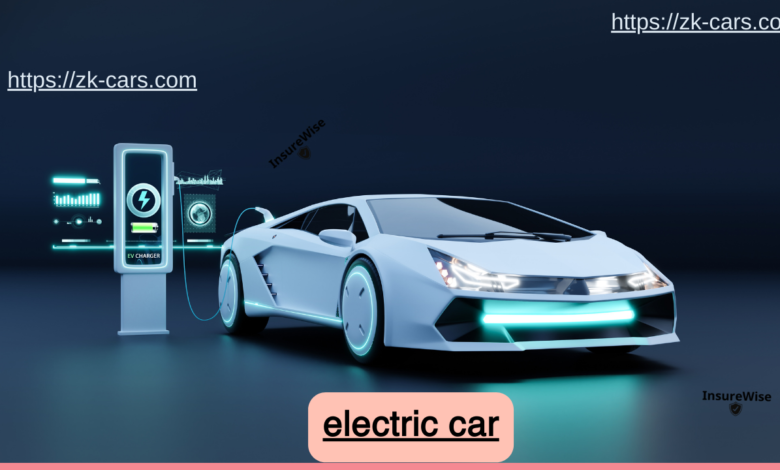
Introduction to Electric Vehicles
Electric vehicles (EVs) have undergone a remarkable transformation from their nascent stages to becoming an integral part of the automotive landscape. In this article, we will explore the evolution of electric vehicles, focusing on key developments, leading car brands, and the factors that have propelled EVs into the mainstream.
1. The Early Days of Electric Vehicles
1.1. Origins of Electric Vehicles
The journey of electric vehicles dates back to the 19th century, with early prototypes appearing as early as the 1830s. Inventors like Thomas Parker developed electric-powered carriages, showcasing the potential of electric propulsion. However, the limited battery technology of the time hindered widespread adoption.
1.2. The 20th Century and the Rise of Gasoline Cars
The early 20th century saw a surge in gasoline vehicles, largely due to Henry Ford’s introduction of the assembly line. This innovation drastically reduced production costs, making gasoline cars more accessible. By the 1930s, electric vehicles had nearly vanished from the roads, overshadowed by the popularity of internal combustion engines.
2. The Resurgence of Electric Vehicles
2.1. The Oil Crisis and Environmental Concerns
The 1970s oil crisis and growing environmental awareness sparked renewed interest in electric vehicles. The development of more efficient battery technologies, such as lead-acid batteries, marked a turning point. However, these early models were still limited in range and performance.
2.2. The 1990s: A New Hope
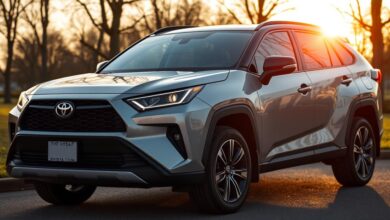
In the 1990s, major car brands like General Motors and Toyota began experimenting with electric models. The GM EV1 and the Toyota RAV4 EV were pioneers, attracting attention but facing challenges, including public skepticism and inadequate infrastructure for charging.
3. Technological Advancements and Market Growth
3.1. The Breakthrough of Lithium-Ion Batteries
The advent of lithium-ion battery technology in the early 2000s significantly enhanced the performance and range of electric vehicles. This breakthrough enabled manufacturers to produce EVs that could compete with traditional vehicles, paving the way for modern electric cars.
3.2. Tesla: Revolutionizing the Electric Vehicle Market
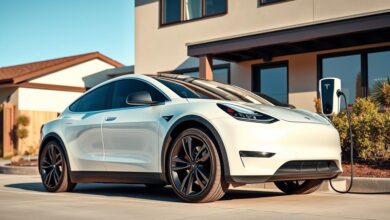
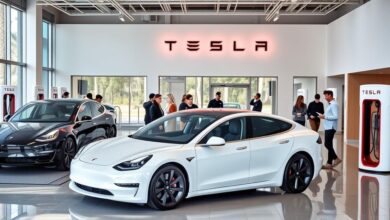
In 2008, Tesla Motors launched the Roadster, a game-changer that demonstrated the potential of electric vehicles. With a range of over 200 miles, it shattered preconceived notions about EV limitations. Tesla’s success ignited a race among car brands to develop their own electric models.
4. The Mainstream Adoption of Electric Vehicles
4.1. Expanding Market Options
As consumer demand for sustainable transportation grew, established car brands like Nissan, Chevrolet, and BMW introduced their electric models, such as the Nissan Leaf and the Chevrolet Bolt EV. This expansion created a diverse market catering to various consumer preferences.
4.2. Government Incentives and Environmental Policies
Government incentives played a crucial role in the mainstream adoption of electric vehicles. Tax credits, rebates, and grants incentivized consumers to choose EVs over traditional cars. Additionally, stricter emissions regulations encouraged manufacturers to invest in electric vehicle technology.
5. The Future of Electric Vehicles
5.1. Ongoing Innovations
The future of electric vehicles is promising, with autonomous driving technology, enhanced battery performance, and increased charging infrastructure. Car brands are collaborating with tech companies to integrate advanced features that enhance user experience and safety.
5.2. Global Market Trends
The global electric vehicle market is projected to grow exponentially in the coming years. Regions like Europe and China are leading the charge, driven by stringent regulations and a commitment to sustainability. Major automakers are shifting their focus toward electric models, signaling a paradigm shift in the automotive industry.
6. Conclusion
The evolution of electric vehicles from concept to mainstream is a testament to innovation, perseverance, and a collective commitment to sustainability. As technology continues to advance and the market expands, the future of electric vehicles looks bright. The collaboration among car brands, government initiatives, and consumer awareness will play pivotal roles in shaping this dynamic landscape.
Frequently Asked Questions (FAQs)
- What are the main benefits of electric vehicles?
- Electric vehicles offer reduced emissions, lower operating costs, and quieter operations compared to gasoline vehicles.
- Which car brands are leading in electric vehicle production?
- Leading brands include Tesla, Nissan, BMW, Chevrolet, and Ford, all of which have introduced competitive electric models.
- What is the average range of modern electric vehicles?
- Most modern electric vehicles offer a range between 150 to 370 miles on a single charge, depending on the model and battery capacity.
- Are electric vehicles more expensive than gasoline cars?
- While the upfront cost of electric vehicles can be higher, lower operating costs and government incentives often make them more economical over time.
- How long does it take to charge an electric vehicle?
- Charging time varies by the charging station type. Level 1 chargers can take 8 to 12 hours, while Level 2 chargers can charge a vehicle in 4 to 6 hours. Fast chargers can provide significant charge in 30 minutes or less.