
Why the Shift to EVs Is Accelerating Now
The automotive world is in the midst of a historic transformation, and the best electric cars are leading the charge. As governments tighten emissions standards and consumers demand cleaner, quieter rides, electric vehicles have moved from niche novelties to mainstream must‑haves. Today’s buyers aren’t just looking for a way to get from point A to B; they want cutting‑edge technology, lower total‑ownership costs, and a future‑proof driving experience. This guide breaks down everything you need to know to navigate the rapidly expanding EV marketplace and walk away with a vehicle that truly fits your lifestyle.
What to Look for When Evaluating the Best Electric Cars
Choosing an EV isn’t as simple as picking the highest‑range model. A thoughtful evaluation considers performance, cost, practicality, and long‑term ownership factors. Below are the core criteria that separate a good purchase from a great one.
Range and Real‑World Driving Needs
- EPA‑rated range: Use the official EPA estimate as a baseline, but remember that real‑world mileage can vary with temperature, driving style, and terrain.
- Daily commute: If your round‑trip is under 30 miles, even a modest 150‑mile range will feel limitless.
- Long trips: Look for fast‑charging capability (150 kW or higher) and a robust charger network if you travel frequently.
Charging Infrastructure and Home Setup
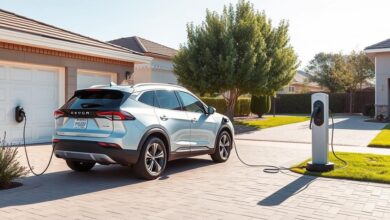
- Home charger: A Level 2 (240 V) wallbox can add 20‑30 miles of range per hour—ideal for overnight charging.
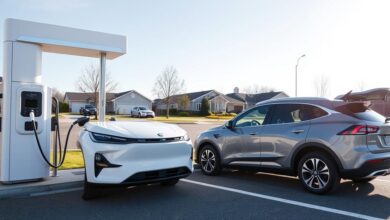
- Public network: Brands like Tesla, Electrify America, and ChargePoint offer extensive fast‑charging maps. Verify that stations are conveniently located along your typical routes.
- Plug‑in flexibility: Some EVs support both CCS and CHAdeMO standards, giving you more charging options.
Performance and Driving Dynamics
- Instant torque: Electric motors deliver peak torque from zero RPM, resulting in brisk acceleration—great for city traffic.
- Handling: Low‑center‑of‑gravity battery packs improve cornering stability.
- Driving modes: Many models offer Eco, Sport, and Snow modes to tailor power delivery.
Cost of Ownership
- Up‑front price vs. incentives: Federal tax credits (up to $7,500) and state rebates can dramatically lower the sticker price.
- Maintenance savings: Fewer moving parts mean lower routine service costs compared with ICE vehicles.
- Depreciation: EVs historically depreciate faster, but strong demand for used models is narrowing the gap.
Technology and Safety Features
- Driver‑assist suites: Look for adaptive cruise control, lane‑keeping assist, and automatic emergency braking.
- Infotainment: Seamless smartphone integration (Apple CarPlay, Android Auto) and over‑the‑air updates keep the vehicle current.
- Battery warranty: Most manufacturers guarantee 8 years or 100,000 miles, protecting you from premature capacity loss.
Top Picks for 2024: The Best Electric Cars for Every Lifestyle
After testing dozens of models on city streets, highways, and mountain passes, we’ve identified the standout contenders across three primary buyer personas: the tech‑savvy commuter, the family‑focused SUV buyer, and the performance enthusiast. Each of these vehicles exemplifies the qualities discussed above and offers a compelling value proposition.
Best Electric Cars for Daily Commuters
- Tesla Model 3 – Offers a sleek design, 263‑mile EPA range, and the industry‑leading Supercharger network.
- Hyundai Ioniq 5 – Features ultra‑fast 800‑volt charging, a spacious interior, and a 303‑mile range at a competitive price.
- Chevrolet Bolt EUV – Compact footprint, 247‑mile range, and a lower entry price, making it ideal for budget‑conscious drivers.
Best Electric Cars for Families
- Kia EV6 – 310‑mile range, generous cargo space, and a suite of safety tech that earns top crash‑test scores.
- Ford Mustang Mach‑E – 312‑mile range, roomy rear seats, and an intuitive infotainment system with SYNC 4.
- Volkswagen ID.4 – 260‑mile range, optional third‑row seat, and a comfortable ride that rivals traditional crossovers.
Best Electric Cars for Performance Lovers
- Porsche Taycan – 0‑60 mph in 3.0 seconds, 300‑mile range, and a driving experience that feels unmistakably Porsche.
- Rivian R1T – Electric pickup with up to 314 mile range, off‑road capability, and a 0‑60 time under 3 seconds.
- Lucid Air – Luxury sedan with a record‑breaking 516‑mile range and a 0‑60 time of 2.5 seconds.
Comparison of the Best Electric Cars Across Key Categories
| Model | Starting Price | EPA Range | Fast‑Charging Speed | Key Strength | Best For |
|---|---|---|---|---|---|
| Tesla Model 3 | $41,990 | 263 miles | 250 kW (Supercharger V3) | Extensive charging network | Tech‑savvy commuters |
| Hyundai Ioniq 5 | $44,650 | 303 miles | 350 kW (800 V) | Ultra‑fast charging | Long‑distance travelers |
| Kia EV6 | $48,500 | 310 miles | 350 kW (800 V) | Spacious interior | Family SUV buyers |
| Ford Mustang Mach‑E | $46,000 | 312 miles | 150 kW | Iconic branding | Active families |
| Porsche Taycan | $86,700 | 227 miles | 270 kW | Sports‑car dynamics | Performance enthusiasts |
| Lucid Air | $95,000 | 516 miles | 300 kW | Unmatched range | Luxury commuters |
Financing, Incentives, and the True Cost of Owning an EV
Even the most compelling EV can feel out of reach without a clear financing strategy. Understanding the mix of federal tax credits, state rebates, and loan versus lease options will help you maximize savings.
Federal and State Incentives
- Federal tax credit: Up to $7,500 for qualifying models. Verify eligibility on the IRS website, as credits phase out after a manufacturer sells 200,000 units.
- State rebates: California’s Clean Vehicle Rebate Project (CVRP) offers up to $7,000, while New York provides $2,000 for eligible EVs.
- Utility incentives: Some utilities offer reduced electricity rates for overnight home charging.
Lease vs. Purchase: Which Makes More Sense?
Leasing an EV can be attractive because it often includes maintenance coverage and the ability to upgrade to a newer model every 2‑3 years. However, purchasing may be financially smarter if you plan to keep the car for 5+ years, especially given the low operating costs.
- Leasing benefits: Lower monthly payments, warranty coverage for the entire lease term, and flexibility to switch models.
- Buying benefits: Equity buildup, freedom to modify or sell the vehicle, and eligibility for federal tax credits (which are not available on leases).
Calculating Total Cost of Ownership (TCO)
Use the following simple formula to gauge the real cost over a 5‑year horizon:
TCO = Purchase Price – Incentives + (Financing Cost) + (Electricity Cost) + (Maintenance) – (Resale Value)
Plug in your local electricity rate (e.g., $0.13/kWh) and typical annual mileage (12,000‑15,000 miles) to see how quickly the EV’s lower fuel cost offsets a higher upfront price.
Practical Tips for Maximizing Your EV Experience
Owning an electric car is rewarding, but getting the most out of it requires a few habit changes and smart planning.
Optimize Home Charging
- Install a Level 2 charger in your garage; it usually costs $500‑$800 plus installation.
- Program your charger to start after peak‑hour rates to take advantage of lower electricity prices.
- Use a smart‑home energy manager to monitor battery health and avoid over‑charging.
Plan Your Road Trips
- Map out fast‑charging stops using apps like PlugShare or A Better Route Planner.
- Pre‑condition the battery while still plugged in to improve range on departure.
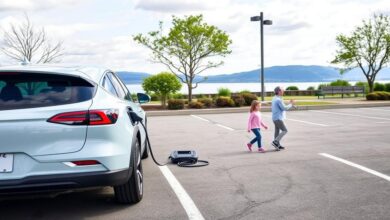
- Carry a portable Level 1 charger for emergencies, but remember it adds only 3‑5 miles per hour of charging.
Maintain Battery Health
- Avoid letting the state‑of‑charge drop below 10 % on a regular basis.
- Keep the battery between 20 % and 80 % for daily use to extend longevity.
- Take advantage of manufacturer‑offered battery health reports during service visits.
Leverage Over‑the‑Air Updates
Many EVs receive software upgrades that improve range, add new driver‑assist features, or refine charging algorithms. Keep your vehicle connected to Wi‑Fi whenever possible to ensure you’re always running the latest version.
Future Trends Shaping EV Ownership in the Next Five Years
The EV market is evolving at breakneck speed, and staying ahead of emerging trends can help you make a purchase that remains relevant for years to come.
Increasing Range and Battery Chemistry Advances
Next‑generation nickel‑cobalt‑manganese (NCM) and nickel‑cobalt‑aluminum (NCA) chemistries promise 10‑15 % more energy density, pushing typical EPA ranges past 350 miles for midsize sedans.
Solid‑State Batteries
While still in early production, solid‑state batteries could deliver faster charging (under 10 minutes for an 80 % charge) and longer lifespans, potentially reshaping the value proposition of EVs versus ICE vehicles.
Vehicle‑to‑Grid (V2G) Technology
Future EVs may act as backup power sources, feeding electricity back to the grid during peak demand. This could open up new revenue streams for owners who participate in utility programs.
Expanded Public Charging Networks
By 2029, the U.S. aims to have 500,000 public chargers, with a focus on high‑speed DC fast chargers along interstate corridors. This expansion will reduce range anxiety and make long‑distance EV travel as convenient as gasoline trips.
Policy and Regulation
Several states have announced future bans on new gasoline vehicle sales by 2035. Buyers who adopt EVs now will be better positioned to comply with upcoming restrictions and benefit from continued incentive programs.
Subscription Services
Automakers are experimenting with EV subscription models that bundle the vehicle, insurance, maintenance, and charging into a single monthly fee. This could appeal to drivers who prefer an all‑inclusive approach without long‑term commitment.
Conclusion: Making the Right Choice Today
Choosing among the best electric cars involves balancing range, price, technology, and personal lifestyle. By applying the criteria outlined in this guide—range suitability, charging infrastructure, total cost of ownership, and future‑proof features—you can confidently select a vehicle that not only meets your current needs but also adapts to the fast‑evolving EV landscape.
Frequently Asked Questions
Is it better to lease or buy an electric car?
Leasing offers lower monthly payments and the chance to upgrade every few years, which can be attractive if you value the latest tech. Buying, however, lets you take advantage of federal tax credits, build equity, and avoid mileage limits—making it the smarter financial choice for long‑term owners.
How much does it really cost to charge an EV at home?
With an average U.S. electricity rate of $0.13 per kWh, a 60‑kWh battery (typical for many midsize EVs) costs about $7.80 to fully charge. That translates to roughly $0.03 per mile, dramatically cheaper than gasoline.
What is a good mileage target for a used electric car?
Because EV batteries degrade slowly, a used model with under 30,000 miles is generally considered low‑mileage and should retain most of its original range. Even higher‑mileage EVs can be viable if the battery warranty is still in effect.
Do I need a special charger for each EV brand?
Most modern EVs use the CCS (Combined Charging System) standard for fast DC charging, while Level 2 AC charging uses the universal J1772 connector. Tesla vehicles use a proprietary connector in the U.S., but adapters are readily available.
Can I install a charger in an apartment or condo?
Many multifamily properties now support shared Level 2 charging stations. If your building lacks infrastructure, check with the HOA or property manager about retrofitting options—some utilities offer rebates for such installations.
How do federal tax credits work for EV purchases?
The credit is applied directly to your federal tax liability when you file your return. It’s not a rebate, so you must have sufficient tax liability to benefit fully. If the credit exceeds your tax bill, the excess is not refunded.
Will my EV’s range improve with software updates?
Yes, several manufacturers have released over‑the‑air updates that optimize battery management, resulting in modest range gains (often 2‑5 %). Staying connected to Wi‑Fi ensures you receive these improvements automatically.