

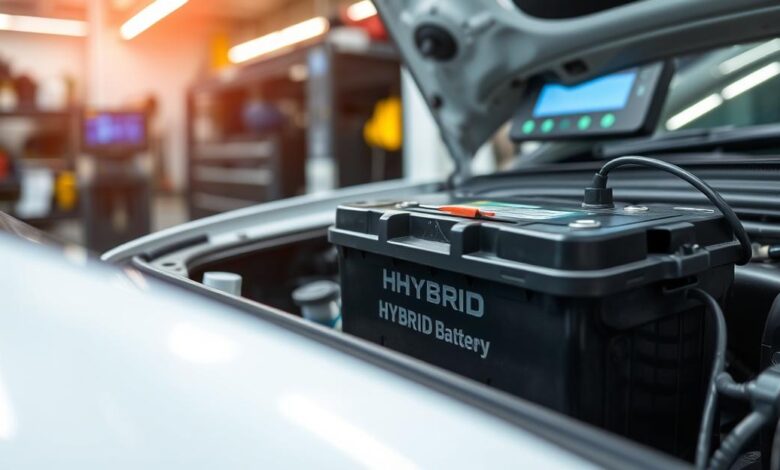
When you first slide behind the wheel of a hybrid, the quiet hum of the electric motor and the instant torque feel like a glimpse into the future of motoring. Yet, the true secret to long‑term savings lies not just in the sleek design or the fuel‑saving brag‑right, but in how well you protect the hybrid battery that powers that electric assist. A well‑maintained hybrid battery can deliver years of reliable performance, keep your resale value high, and dramatically reduce the total cost of ownership. Below, we’ll explore proven strategies, common misconceptions, and practical maintenance habits that will keep your hybrid battery healthy for the long haul.
How Hybrid Batteries Differ From Conventional Batteries
Unlike the 12‑volt lead‑acid battery that starts a gasoline engine, a hybrid battery is a high‑voltage pack—typically lithium‑ion, nickel‑metal hydride (NiMH), or in older models, a nickel‑cadmium (NiCd) chemistry. These packs store energy captured during regenerative braking and from the internal combustion engine, then release it to assist acceleration or power the vehicle in electric‑only mode.
Key distinctions include:
- Voltage and Capacity: Hybrid batteries operate at 100–300 V and can store anywhere from 1 kWh to 6 kWh of energy.
- Thermal Management: Most modern hybrids feature active cooling or heating systems to keep the battery within an optimal temperature range (usually 20‑40 °C).
- Lifecycle Expectations: Manufacturers typically warranty hybrid batteries for 8–10 years or 100,000 – 150,000 miles, but many owners see them last well beyond that with proper care.
Key Factors That Influence Hybrid Battery Longevity
Understanding what stresses a hybrid battery is the first step toward protecting it. The following factors are the most significant contributors to battery degradation:
Temperature Extremes
Heat accelerates chemical reactions inside the cells, leading to faster capacity loss. Conversely, extreme cold can temporarily reduce performance and increase internal resistance.
Frequent Deep Discharges
Regularly draining the battery to very low State of Charge (SoC) forces deeper cycles, which wear the cells more quickly than shallow, frequent top‑ups.
Driving Style
Hard acceleration, rapid deceleration, and aggressive regenerative braking can subject the battery to high current spikes, increasing internal wear.
Charging Habits
Plug‑in hybrids that are constantly kept at 100 % charge or left at low charge for weeks can both shorten battery life. Balanced charging—maintaining a mid‑range SoC—is ideal.
Software Updates
Manufacturers release firmware updates that tweak battery management algorithms. Ignoring these updates can lead to sub‑optimal battery usage and premature aging.
Practical Tips to Keep Your Hybrid Battery Healthy
Below are actionable habits you can adopt today to extend the life of your hybrid battery and maximize savings.
Maintain Moderate Temperatures
- Park in shade or a garage during hot summer days.
- Use the vehicle’s pre‑conditioning feature while still plugged in to cool the cabin and battery before driving.
- In cold climates, allow the car to warm up while plugged in, or use a battery heater if equipped.
Mind Your State of Charge
- Aim to keep the battery between 30 % and 80 % SoC for daily driving.
- If you know you’ll need a long electric‑only trip, charge to 100 % the night before, but avoid staying at full charge for more than a few days.
- For plug‑in hybrids, set the charging schedule to stop at 80 % if the vehicle offers that option.
Adopt Gentle Driving Techniques
- Use smooth acceleration and let the hybrid system handle most of the power delivery.
- Take advantage of regenerative braking, but avoid “hard” braking unless necessary.
- Utilize “eco” or “fuel‑saving” drive modes that limit peak power output and reduce battery strain.
Schedule Regular Battery Health Checks
- Visit a certified dealer or a qualified hybrid specialist at least once a year for a diagnostic scan.
- Ask for a battery health report that includes capacity percentage, internal resistance, and any error codes.
- Address any warning lights—such as the “Hybrid System Fault” indicator—immediately to prevent cascading damage.
Stay Updated on Software
- Enable over‑the‑air (OTA) updates if your vehicle supports them.
- Periodically check the manufacturer’s website or owner’s portal for firmware releases.
- Install updates promptly; they often contain refinements that improve battery balancing and thermal management.
Mindful Charging Practices for Plug‑In Hybrids
- Avoid using fast‑charge stations unless the vehicle explicitly supports high‑rate DC charging.
- Prefer Level 2 (240 V) home charging for routine top‑ups; it’s gentler on the battery.
- If you must use a public charger, monitor the session and unplug once the desired SoC is reached.
Maintenance Schedule and Diagnostic Tools
Consistent maintenance is the backbone of battery health. Below is a recommended schedule that balances cost with effectiveness.
Every 12,000 – 15,000 Miles (or Annually)
- Visual inspection of battery cooling lines, hoses, and connectors.
- Check coolant level (if liquid‑cooled) and replace according to manufacturer specs.
- Run a full system scan using an OBD‑II scanner that supports hybrid-specific codes.
Every 30,000 – 45,000 Miles
- Replace the hybrid coolant (if applicable) to ensure optimal thermal regulation.
- Inspect and, if necessary, replace the high‑voltage battery’s fuse and contactors.
- Calibrate the battery management system (BMS) by performing a full charge‑discharge cycle under controlled conditions.
Every 60,000 – 80,000 Miles
- Consider a professional battery capacity test at a dealership; many offer this service for free under warranty.
- Replace any worn brake pads—excessive wear can reduce the effectiveness of regenerative braking, forcing the battery to work harder.
- Update the vehicle’s firmware if a new version is available.
Diagnostic Tools You Can Use at Home
- OBD‑II Hybrid Scanner: Devices like the Autel MaxiCOM or Launch X431 can read hybrid-specific codes, including battery temperature and voltage irregularities.
- Battery Health Apps: Some manufacturers provide smartphone apps (e.g., Toyota’s “Hybrid Assistant”) that display real‑time SoC, estimated range, and health metrics.
- Thermal Imaging Camera: A handheld infrared camera can spot uneven heat distribution across the battery pack, indicating potential cooling issues.
Cost Savings Over Time: Calculating the ROI of Proper Battery Care
Investing a few hours each month in hybrid battery maintenance can translate into thousands of dollars saved over the vehicle’s life. Here’s a simple framework to estimate your return on investment (ROI):
- Estimate Battery Replacement Cost: For most midsize hybrids, a new battery pack ranges from $2,500 to $5,000, including labor.
- Determine Expected Lifespan Extension: Studies show that disciplined temperature and charging management can add 20‑30 % more usable cycles to a battery.
- Calculate Savings: If a battery would normally need replacement at 100,000 miles ($4,000), extending its life to 130,000 miles saves $1,200–$1,600.
- Subtract Maintenance Costs: Annual diagnostic checks ($150) and occasional coolant changes ($80) over five years total roughly $1,150.
- Resulting ROI: $1,200 – $1,600 saved – $1,150 spent ≈ $50‑$450 net gain, plus the intangible benefit of fewer breakdowns.
Beyond pure dollars, a healthy hybrid battery preserves the vehicle’s resale value, often adding 5‑10 % to the trade‑in price.
Comparison of Common Hybrid Battery Care Strategies
| Strategy | Typical Cost | Impact on Battery Life | Ease of Implementation | Best For |
|---|---|---|---|---|
| Passive Care (no extra steps) | $0 | Baseline degradation (15‑20 % loss per 5 yr) | Very easy | Owners who drive infrequently |
| Temperature Management (shade, pre‑conditioning) | $50‑$150 (annual) | Reduces heat‑related loss by ~30 % | Easy | Drivers in hot climates |
| Balanced Charging (30‑80 % SoC) | $0‑$100 (if using smart charger) | Extends usable cycles by 20‑30 % | Moderate | Plug‑in hybrid owners |
| Regular Diagnostic Scans | $120‑$200 per year | Early fault detection adds 10‑15 % life | Moderate | High‑mileage commuters |
| Full Battery Reconditioning (professional) | $800‑$1,200 | Can recover 5‑10 % capacity | Complex | Owners nearing warranty end |
Future Trends: What’s Next for Hybrid Battery Technology?
Manufacturers are already racing to improve battery chemistry, thermal management, and integration with vehicle software. Anticipated developments include:
- Solid‑State Batteries: Offering higher energy density and improved safety, these could double the range of current hybrids while reducing degradation.
- Advanced BMS AI: Machine‑learning algorithms will predict optimal charging windows based on driver habits and climate, further extending battery life.
- Modular Battery Packs: Future hybrids may allow owners to replace individual modules instead of the entire pack, lowering long‑term costs.
Staying informed about these trends will help you make smarter decisions when it’s time for a replacement or an upgrade.
FAQ
How often should I have my hybrid battery inspected?
At a minimum, schedule a professional inspection once a year or every 12,000 – 15,000 miles, whichever comes first. If you notice warning lights or a sudden drop in electric‑only range, get it checked immediately.
Can I replace a hybrid battery myself?
While some DIY enthusiasts tackle battery replacements, most hybrid packs operate at high voltage and require specialized safety equipment. It’s recommended to have the replacement performed by a certified technician to avoid injury and to maintain warranty coverage.
Is it better to keep my hybrid battery at 100 % charge?
No. Keeping the battery constantly at full charge accelerates wear, especially in hot environments. Aim for a 30 %‑80 % range for daily use, and only charge to 100 % when you need maximum electric range for a specific trip.