
Understanding Why Car Insurance Is Crucial for Your New EV
The electric vehicle (EV) revolution is reshaping the way we drive, but it also brings new considerations for protection on the road. When you finally pull the plug‑in into your garage, the excitement of instant torque can quickly turn into a headache if you haven’t secured the right car insurance. Because EVs have unique components—high‑voltage batteries, specialized software, and often higher repair costs—standard policies may leave gaps. This guide walks you through the essential steps to choose the best car insurance for your new EV, ensuring you stay covered without overpaying.
Key Coverage Types Every EV Owner Should Consider
Not all car insurance policies are created equal, especially when it comes to electric powertrains. Below are the core coverages that should be on your checklist.
Liability Coverage
Liability protects you if you’re at fault in an accident that causes bodily injury or property damage to others. Most states require minimum limits, but EV owners often benefit from higher limits because repair costs can be steep.
Collision and Comprehensive Coverage
Collision covers damage to your EV from a crash, while comprehensive protects against non‑collision events such as theft, fire, vandalism, or natural disasters. Since battery packs are expensive, comprehensive coverage is especially valuable.
Battery and Electrical System Coverage
Some insurers offer optional add‑ons that specifically cover battery degradation, replacement, or damage caused by electrical faults. This can be a cost‑effective alternative to a full replacement out‑of‑pocket.
Roadside Assistance and Towing
EVs require specialized towing equipment to avoid damaging the battery or charging port. Look for policies that include EV‑compatible roadside assistance.
Factors That Influence Car Insurance Premiums for EVs
Understanding what drives your premium helps you make smarter choices and negotiate better rates.
Vehicle Value and Repair Costs
EVs often have higher MSRP and more expensive parts. Insurers factor in the cost of repairing or replacing the battery, which can push premiums upward.
Driving Habits and Mileage
Because electricity is cheaper per mile than gasoline, many EV owners drive more. Higher annual mileage can increase risk perception, raising the cost of car insurance.
Safety Ratings and Driver Assistance Tech
Models with advanced driver‑assistance systems (ADAS) like automatic emergency braking, lane‑keep assist, and collision mitigation often qualify for discounts. Check the NHTSA and IIHS safety scores for your EV.
Location and Parking Situation
Living in an area with high theft rates or limited EV charging infrastructure can affect premiums. Secure home charging stations and garage parking can earn you lower rates.
Credit Score and Insurance History
Just like traditional car insurance, insurers look at credit scores and past claims. Maintaining a clean driving record and a good credit rating can shave dollars off your car insurance bill.
How to Compare Policies: A Practical Approach
Choosing the right car insurance isn’t about picking the cheapest quote; it’s about balancing coverage, cost, and convenience. Use the following checklist to evaluate each offer.
- Verify that the policy includes battery and electrical system coverage.
- Check the limits on liability, collision, and comprehensive.
- Ask about discounts for EV‑specific safety features.
- Confirm that roadside assistance covers EV towing and charging.
- Review the deductible amounts and how they affect premium pricing.
- Read the fine print for exclusions related to battery degradation or software updates.
Comparison of Popular EV Models and Their Typical Insurance Costs
| Model | Starting Price | Typical Annual Car Insurance | Battery Warranty | Key Safety Tech | Best For |
|---|---|---|---|---|---|
| Tesla Model Y | $53,490 | $1,850 | 8 years / 120,000 miles | Autopilot, Automatic Emergency Braking | Tech‑savvy families |
| Ford Mustang Mach‑E | $44,095 | $1,620 | 8 years / 100,000 miles | Co-Pilot360, Adaptive Cruise Control | Performance‑oriented commuters |
| Hyundai Ioniq 5 | $41,450 | $1,540 | 10 years / 100,000 miles | SmartSense, Forward Collision‑Assist | Value‑focused drivers |
These figures are averages based on national data and can vary by state, driver profile, and insurer. Use them as a baseline when requesting personalized quotes.
Tips to Reduce Your Car Insurance Costs Without Sacrificing Coverage
Even with a high‑tech vehicle, you can keep premiums manageable by applying a few strategic moves.
- Bundle Policies: Combine auto, home, and umbrella insurance with the same carrier for multi‑policy discounts.
- Increase Your Deductible: Raising the deductible by $250–$500 can lower the premium, provided you have an emergency fund.
- Utilize Low‑Mileage Discounts: If you drive under 10,000 miles annually, many insurers will reward you with reduced rates.
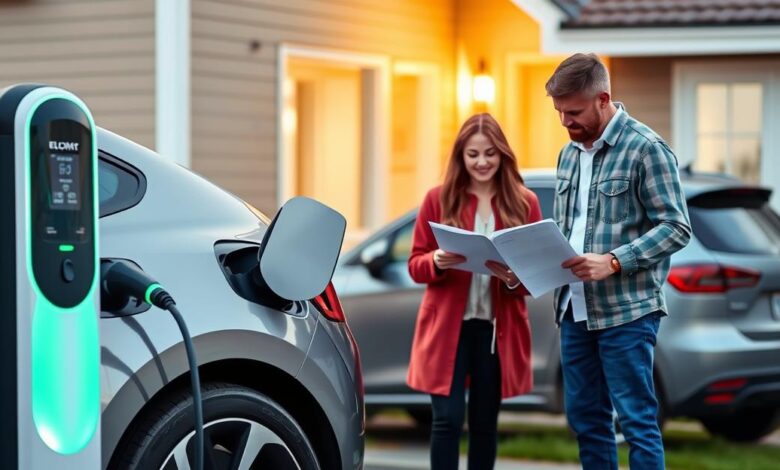
- Install Approved EV Chargers at Home: Some insurers offer discounts for certified Level 2 home chargers that reduce the risk of roadside breakdowns.
- Maintain a Clean Driving Record: Safe driving courses and defensive driving certifications can unlock additional savings.
- Shop Annually: Market rates shift; revisiting quotes each renewal period ensures you stay competitive.
Final Checklist: Choosing the Best Car Insurance for Your EV
Before you sign on the dotted line, run through this quick audit to confirm you’ve covered all bases.
- Policy includes liability, collision, comprehensive, and battery coverage.
- Deductibles and limits match your risk tolerance and financial capacity.
- Discounts applied for safety tech, low mileage, bundling, and home charging.
- Roadside assistance offers EV‑compatible towing and mobile charging.
- Insurer has a solid reputation for handling EV claims efficiently.
- Premium fits within your overall vehicle budget, including charging and maintenance costs.
By following this guide, you’ll not only protect your investment but also enjoy peace of mind knowing you’ve secured the most appropriate car insurance for your new electric ride.
Frequently Asked Questions
Is it necessary to get a separate battery insurance policy?
Many standard car insurance policies already cover battery damage under comprehensive or collision coverage. However, if you want specific protection against battery degradation or replacement costs, an optional battery endorsement can be worthwhile.
Can I get a discount for installing a home EV charger?
Yes. Several insurers offer discounts ranging from 5% to 15% for policyholders who install certified Level 2 chargers, as they reduce the likelihood of roadside breakdowns and improve overall safety.
How does my driving mileage affect car insurance for an EV?
Higher annual mileage typically raises premiums because it increases exposure to accidents. If you drive under 10,000 miles per year, ask your insurer about low‑mileage discounts.
Do EVs qualify for the same “good driver” discounts as gasoline cars?
Absolutely. Safe driving records, completion of defensive driving courses, and a clean claims history all qualify for discounts, regardless of powertrain.
What should I do if my EV is involved in a crash and the battery is damaged?
Contact your insurer immediately and request a claim under comprehensive or collision coverage. Provide detailed photos of the damage, a police report, and any repair estimates. If you have a battery endorsement, include that documentation as well.
Is leasing an EV cheaper than buying when it comes to insurance?
Leasing companies often require higher liability limits and full coverage, which can increase premiums. However, lease terms sometimes include insurance packages that offset costs. Compare both scenarios carefully.