

Why Electric SUVs Are Redefining Family Travel
The automotive world is in the middle of a quiet revolution, and the spotlight is on electric SUVs. Families are no longer forced to choose between space and sustainability; modern electric SUVs deliver both, offering roomy cabins, ample cargo capacity, and zero‑emission powertrains that keep the planet happy. As charging networks expand and battery costs drop, the excitement of planning a weekend road trip with kids in tow now includes the confidence of predictable range and low operating costs. If you’re ready to upgrade your family adventure vehicle, this guide shows exactly what to look for and which 2026 models deserve a spot on your shortlist.
Key Factors to Consider When Choosing an Electric SUV
Before you dive into model comparisons, it’s essential to understand the criteria that truly matter for family use. These factors go beyond the headline specs and help you avoid costly surprises down the road.
Range and Real‑World Driving
Range anxiety is still a real concern for many shoppers, especially when kids need reliable transportation for school runs, sports practice, and long vacations. Look for:
- EPA‑estimated range that comfortably exceeds your typical weekly mileage by at least 30 %.
- Efficient energy consumption (measured in MPGe) that translates to lower electricity bills.
- Fast‑charging capability (150 kW or higher) to regain 80 % charge in under 30 minutes on highway trips.
Space, Seating, and Cargo
A family SUV must accommodate three rows of seats, car seats, strollers, and gear without feeling cramped. Evaluate:
- Third‑row legroom – aim for at least 30 inches of usable space for children.
- Fold‑flat rear seats – a 60/40 split or 40/20/40 configuration maximizes flexibility.
- Cargo volume – a minimum of 70 cubic feet with the third row folded is ideal for luggage.
Charging Infrastructure and Home Setup
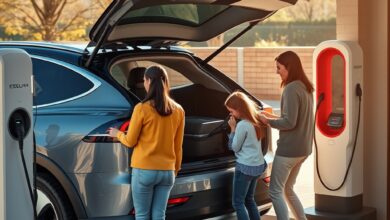
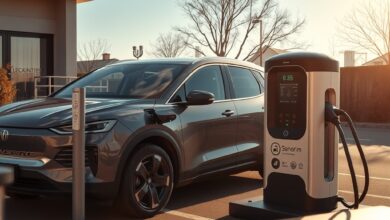
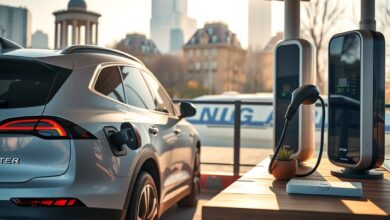
Even the best electric SUV can fall short if you can’t charge it conveniently. Consider:
- Availability of Level 2 (240 V) chargers at home or in your neighborhood.
- Access to reliable DC fast‑charging networks along your usual routes.
- Whether the vehicle supports bi‑directional charging (vehicle‑to‑home) for added utility.
Top Electric SUVs to Watch in 2026
Manufacturers are unveiling a new wave of electric SUVs that blend family‑friendly practicality with cutting‑edge technology. Below is a snapshot of the most promising contenders slated for release or early 2026 delivery.
Model Overviews
1. Tesla Model Y Refresh – Building on its already impressive sales, the 2026 refresh adds a larger battery pack (up to 95 kWh) and an optional third‑row seat. Expect a range of up to 330 miles, a minimalist interior with a 15‑inch infotainment screen, and Tesla’s renowned Supercharger network.
2. Hyundai Ioniq 6 SUV – Hyundai’s crossover version of the aerodynamic Ioniq 6 sedan offers a sleek silhouette, 300‑mile range, and a 12.3‑inch digital cockpit. Family‑focused features include a built‑in child‑seat anchor system and an optional rear‑seat entertainment screen.
3. Ford Mustang Mach‑E 4‑Row – Ford expands the Mach‑E lineup with a 4‑row variant that seats up to seven. The extended wheelbase provides 75 cubic feet of cargo space, and the extended‑range battery pushes the EPA estimate to 310 miles.
4. Kia EV9 – Kia’s flagship electric SUV showcases a bold design, a 350‑mile range, and a spacious interior with a 14.5‑inch central display. The EV9 includes a “Family Mode” that adjusts climate control and rear‑seat reminders for child safety.
5. Volkswagen ID. Buzz Pro – A modern reinterpretation of the classic microbus, the ID. Buzz Pro offers three rows, a 300‑mile range, and a versatile “slide‑out” second‑row bench for easy access to the third row.
Comparison of Top 2026 Electric SUVs for Families
| Model | Starting Price | EPA Range | Seating Capacity | Key Family Feature | Best For |
|---|---|---|---|---|---|
| Tesla Model Y Refresh | $49,990 | 330 miles | 5‑7 (optional third row) | Supercharger network, Autopilot | Tech‑savvy families |
| Hyundai Ioniq 6 SUV | $45,500 | 300 miles | 5 | Rear‑seat entertainment, child‑seat anchors | Design‑focused households |
| Ford Mustang Mach‑E 4‑Row | $52,300 | 310 miles | 7 | Extended cargo, SYNC 4A system | Active families needing space |
| Kia EV9 | $55,200 | 350 miles | 7 | Family Mode, large panoramic roof | Large families, weekend adventurers |
| Volkswagen ID. Buzz Pro | $48,750 | 300 miles | 7 | Slide‑out second row, retro styling | Eco‑conscious nostalgia seekers |
Financing and Incentives for Electric SUVs
Buying an electric SUV is a significant investment, but a variety of financing options and incentives can make it more affordable. Understanding the financial landscape helps you keep the total cost of ownership low.
Leasing vs. Buying
Both routes have distinct advantages for families:
- Leasing often includes lower monthly payments, the ability to upgrade to newer models every 2–3 years, and may bundle maintenance.
- Buying (via loan or cash) builds equity, eliminates mileage caps, and maximizes long‑term savings once the loan is paid off.
Consider your family’s driving habits: if you routinely exceed 10,000 miles per year, buying may be more cost‑effective. If you prefer the latest tech and want predictable expenses, a lease with a generous mileage allowance could be the smarter choice.
Federal, State, and Manufacturer Rebates
In the United States, the federal tax credit for qualifying electric vehicles can be up to $7,500, but it phases out once a manufacturer reaches 200,000 units sold. As of 2026, many brands have reset eligibility under the Inflation Reduction Act, so check the latest status.
Additional savings may include:
- State rebates ranging from $1,000 to $5,000 (e.g., California Clean Vehicle Rebate Project).
- Utility company incentives for home charger installation.
- Manufacturer cash‑back offers that can be stacked with tax credits.
When budgeting, subtract these incentives from the MSRP to determine your net purchase price before adding taxes and fees.
Future Trends Shaping the Electric SUV Segment
The electric SUV market will continue to evolve rapidly. Staying ahead of these trends can help families future‑proof their purchase.
Battery Technology Advances
By 2026, solid‑state batteries are approaching mass production, promising higher energy density, faster charging, and improved safety. Expect:
- Range increases of 15‑20 % without larger battery packs.
- Charging times under 15 minutes for an 80 % charge on select models.
- Longer warranty periods (up to 10 years) as manufacturers gain confidence in durability.
Autonomous Features and Connectivity
Family road trips benefit from advanced driver‑assistance systems (ADAS) that reduce fatigue and improve safety. Look for:
- Level 2+ features such as highway‑pilot, lane‑centering, and traffic‑jam assist.
- In‑vehicle Wi‑Fi and over‑the‑air (OTA) updates that keep infotainment current.
- Rear‑seat monitoring that alerts drivers if a child leaves their seat.
These technologies not only enhance convenience but also increase resale value as buyers seek vehicles with the latest safety suites.
Practical Tips for Buying Your First Family Electric SUV
Putting the research into action requires a systematic approach. Follow these steps to ensure a smooth purchase experience:
- Define Your Budget – Include vehicle price, home charger installation, and estimated electricity costs.
- Test Drive Multiple Models – Pay attention to visibility, ride comfort, and how easily you can access the third row.
- Check Charging Options – Verify that a Level 2 charger fits in your garage and that fast‑charging stations are within 30 minutes of your typical routes.
- Calculate Total Cost of Ownership (TCO) – Factor in incentives, insurance, maintenance (typically lower for EVs), and depreciation.
- Secure Financing Early – Compare loan rates, lease terms, and manufacturer financing offers before visiting the dealer.
- Review Warranty and Service Plans – Look for battery coverage of at least 8 years or 100,000 miles.
FAQ
Is it better to lease or buy an electric SUV for a growing family?
Leasing offers lower monthly payments and the ability to upgrade as technology improves, which can be appealing if your family’s size may change. Buying, however, eliminates mileage limits and builds equity, making it more cost‑effective over a longer horizon, especially if you plan to keep the vehicle for 5 years or more.
How much does it cost to charge an electric SUV at home?
Charging costs depend on local electricity rates and battery size. As a rule of thumb, a 75 kWh battery charged at $0.13 per kWh costs about $9.75 for a full charge, which typically provides 250‑300 miles of range. This translates to roughly $0.04 per mile, far cheaper than gasoline.
What range should I look for to avoid range anxiety on weekend trips?
For most families, an EPA‑rated range of 300 miles or more provides a comfortable buffer for round‑trip travel, charging stops, and daily commuting. Pair this with access to fast chargers along your route for added peace of mind.
Are there any special insurance considerations for electric SUVs?
Insurance premiums for electric SUVs can be slightly higher due to higher repair costs and advanced technology. Look for insurers that offer EV‑specific discounts, such as reduced rates for low‑mileage drivers or bundled home‑charging equipment coverage.
Can I install a Level 2 charger in a rented apartment?
Many landlords now allow EV charger installations, especially in multi‑unit dwellings. Check your lease agreement and discuss options with your property manager; some utilities even provide incentives for shared charging stations