

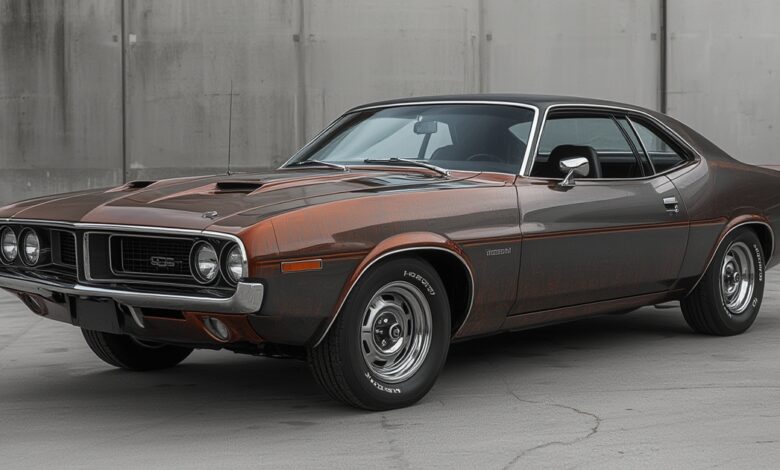
Why Vintage Car Buying Is a Timeless Passion
There’s a unique thrill that comes with vintage car buying – the smell of aged leather, the click of a classic transmission, and the knowledge that you’re preserving a piece of automotive history. Whether you’re drawn by the romance of a 1960s muscle car or the elegance of a post‑war European roadster, the vintage market offers both emotional satisfaction and solid investment potential. For first‑time collectors, the journey can feel daunting, but with the right research and a clear plan, you can turn a hobby into a smart financial move.
In this guide we’ll walk you through the essential steps, from setting a realistic budget to navigating auctions, and we’ll reveal the hidden costs that often catch new buyers off guard. By the end, you’ll have a roadmap that turns the excitement of vintage car buying into a confident, well‑informed decision.
Setting a Realistic Budget for Your First Vintage Car
Before you fall in love with a glossy photograph or a polished showroom, you need to know exactly how much you can afford. Vintage car buying isn’t just about the purchase price; it includes restoration, insurance, storage, and ongoing maintenance. A clear budget helps you avoid over‑extending financially and keeps your collection sustainable.
Breakdown of Common Expenses
- Purchase Price: Ranges widely based on rarity, condition, and provenance.
- Restoration & Repairs: Expect 20‑40% of the purchase price for a project car; lower for a well‑preserved example.
- Insurance: Classic car policies often cost 1‑2% of the car’s value annually, but can be higher for high‑performance models.
- Storage: Secure indoor storage can run $100‑$300 per month; climate‑controlled facilities cost more.
- Maintenance: Routine services, parts, and labor can add $1,000‑$3,000 per year.
- Registration & Taxes: Varies by state; some jurisdictions offer reduced fees for historic vehicles.
Tips for Defining Your Budget
- Start with a “hard cap” – the maximum amount you’re willing to spend on the vehicle itself.
- Allocate at least 30% of that cap for restoration and immediate repairs.
- Set aside a contingency fund (10‑15% of the total budget) for unexpected issues.
- Consider financing options only after you have a solid cash reserve for ongoing costs.
Key Factors to Inspect Before You Buy
Unlike modern cars with digital diagnostics, vintage models require a hands‑on, detail‑oriented inspection. Knowing what to look for can save you thousands and protect your investment.
Mechanical Health
- Engine Compression: Low compression often signals worn rings or gasket issues.
- Transmission Condition: Look for smooth shifts, no grinding, and proper clutch engagement.
- Suspension & Steering: Check for play in the steering box, worn bushings, and rusted frame components.
Body and Frame Integrity
- Inspect for rust, especially in wheel wells, floor pans, and under the trunk.
- Ensure the chassis is straight; a misaligned frame can affect handling and resale value.
- Original paint versus repainted surfaces: original paint often adds value, but a high‑quality restoration can be acceptable if documented.
Electrical and Interior
- Test all lights, gauges, and switches; vintage wiring can be brittle.
- Assess the condition of upholstery, dashboards, and original trim – authenticity matters to collectors.
- Verify that any modern upgrades (e.g., upgraded brakes) are installed professionally and documented.
Documentation and Provenance
- Original VIN, title, and registration papers are essential for authenticity.
- Service records, original build sheets, and historic photographs boost value.
- Check for any liens or outstanding recalls that could affect ownership.
Where to Find Reliable Vintage Car Listings and Auctions
Finding the right vehicle is a blend of online research, networking, and attending events. Here are the most reliable channels for vintage car buying.
Online Marketplaces
- Specialized Classic Car Sites: Hemmings, ClassicCars.com, and Bring a Trailer focus exclusively on vintage listings.
- General Platforms: eBay Motors and Autotrader have dedicated classic sections, but verify seller credibility.
- Social Media Groups: Facebook groups and Instagram accounts run by reputable collectors can provide leads before cars hit the public market.
Auctions and Car Shows
- Major Auction Houses: Barrett-Jackson, RM Sotheby’s, and Mecum specialize in high‑profile vintage sales.
- Regional Auctions: Local auction houses often have hidden gems at lower prices.
- Car Club Events: Membership clubs (e.g., Mustang Club of America) host swap meets where owners sell directly.
Dealerships and Restoration Shops
- Classic car dealerships usually have a vetted inventory and may offer limited warranties.
- Restoration shops often have “project cars” ready for sale, complete with detailed work logs.
Building a Network
- Attend vintage car rallies and concours events to meet seasoned collectors.
- Join online forums (e.g., Classic Car Club Network) to gain insider tips.
- Develop relationships with reputable mechanics who specialize in classic models.
Comparison of Popular Entry‑Level Vintage Models
| Model/Option | Approx. Purchase Price (2024) | Typical Mileage | Key Feature | Pros | Best For |
|---|---|---|---|---|---|
| 1965 Ford Mustang | $28,000 – $45,000 | 30,000 – 80,000 miles | Iconic American muscle | Strong aftermarket support, relatively affordable | First‑time collectors |
| 1967 Chevrolet Camaro | $30,000 – $50,000 | 25,000 – 75,000 miles | Classic V8 performance | Powerful engine options, good resale growth | Enthusiasts seeking performance |
| 1970 Porsche 911 (911S) | $85,000 – $120,000 | 15,000 – 45,000 miles | Flat‑six rear‑engine layout | Timeless handling, high appreciation potential | Serious investors |
| 1972 BMW 2002 | $35,000 – $55,000 | 20,000 – 60,000 miles | Compact sports sedan | European engineering, rarity | Collectors of European classics |
Financing, Insurance, and Legal Considerations for Vintage Car Buying
Even though many first‑time buyers prefer to pay cash, financing can be a useful tool when managed responsibly. Understanding the nuances of classic car loans, insurance policies, and registration requirements ensures you stay compliant and protected.
Financing Options
- Specialty Classic Car Lenders: Institutions like Hagerty and Woodside Credit offer loans tailored to vintage vehicles, often with higher loan‑to‑value ratios.
- Traditional Banks: May require a higher down payment and lower LTV because vintage cars are considered higher risk.
- Peer‑to‑Peer Loans: Platforms like LendingClub can be an alternative, but interest rates may vary.
When evaluating a loan, compare the APR, repayment term, and any prepayment penalties. A shorter term reduces interest paid but raises monthly payments, so align it with your cash flow.
Insurance Strategies
- Agreed‑Value Policies: The insurer and you agree on a fixed value, preventing disputes after a claim.
- Usage‑Based Coverage: If you drive the car less than 5,000 miles per year, you can qualify for lower premiums.
- Comprehensive vs. Liability: Classic cars often require comprehensive coverage because they’re usually stored, not driven daily.
Document every restoration and upgrade; detailed records help justify the agreed value during underwriting.
Legal and Registration Requirements
- Many states offer “historic vehicle” plates that reduce registration fees and allow for limited mileage exemptions.
- Check local emissions regulations – some vintage models may be exempt, but others require modifications.
- Ensure the VIN matches the title; discrepancies can lead to legal challenges and affect resale.
Tax Implications
In some jurisdictions, vintage cars classified as collectibles may be eligible for reduced sales tax rates. Consult a tax professional to understand potential deductions for restoration expenses if you treat the vehicle as an investment asset.
Maintaining Value and Planning for the Future
The journey doesn’t end once you drive your first classic off the lot. Proper stewardship not only preserves the car’s condition but also enhances its long‑term value.
Routine Maintenance Schedule
- Change oil and filter every 3,000–5,000 miles or annually, whichever comes first.
- Inspect and replace rubber hoses and belts every 5‑7 years, regardless of mileage.
- Store the car on a lift or use high‑quality floor jacks to avoid tire flat‑spotting.
- Periodically run the engine to prevent seizing – a short warm‑up every two weeks is ideal.
Documentation for Future Sale
- Keep a detailed logbook of all maintenance, parts, and restoration work.
- Photograph the car before and after each project to create a visual history.
- Retain receipts and invoices; they add credibility for future buyers.
Strategic Upgrades vs. Preservation
While modern upgrades (e.g., disc brakes, upgraded suspension) can improve safety and drivability, they may affect originality. Decide early whether you aim for a show‑quality, period‑correct car or a more driver‑friendly daily classic. Document any modifications thoroughly to maintain transparency.
Exit Strategy
- Monitor market trends – certain models peak in popularity every few years.
- Consider auction timing; major events often drive higher prices due to collector attendance.
- Engage a professional appraiser before listing to set a realistic asking price.
Future Trends in Vintage Car Investing
As the EV revolution reshapes the automotive landscape, classic car values are showing resilience. Collectors increasingly view vintage automobiles as tangible assets that aren’t tied to battery technology or software updates. Anticipate growing demand for well‑preserved, low‑mileage examples, especially those with documented provenance.
Key Takeaways for First‑Time Buyers
- Define a comprehensive budget that includes hidden costs.
- Conduct a thorough mechanical and historical inspection.
- Leverage reputable sources – specialized marketplaces, auctions, and clubs.
- Secure financing and insurance that reflect the car’s unique status.
- Maintain meticulous records to protect and enhance value.
Frequently Asked Questions
Is it better to lease or buy a vintage car?
Leasing vintage cars is rare because lenders prefer assets that retain value and have predictable depreciation. Buying outright or financing through a specialty classic car lender is usually the more practical route.
What mileage is considered low for a classic car?
For most vintage models, under 30,000 miles is considered low and can significantly boost resale value, especially if the car has been well‑maintained and stored properly.
Do I need a special driver’s license to operate a vintage car?
No special license is required in most jurisdictions; a standard driver’s license suffices. However, some states have restrictions on high‑performance or modified vehicles, so verify local regulations.
How can I protect my vintage car from rust?
Store the car in a climate‑controlled environment, apply a high‑quality undercoat, and regularly inspect for early signs of corrosion. Using a dehumidifier in the storage area can also reduce moisture buildup.
Can I claim restoration expenses as a tax deduction?
If you treat the vehicle as an investment asset and can demonstrate that the expenses improve its value, some tax jurisdictions allow deductions. Consult a tax professional for guidance specific to your location.