
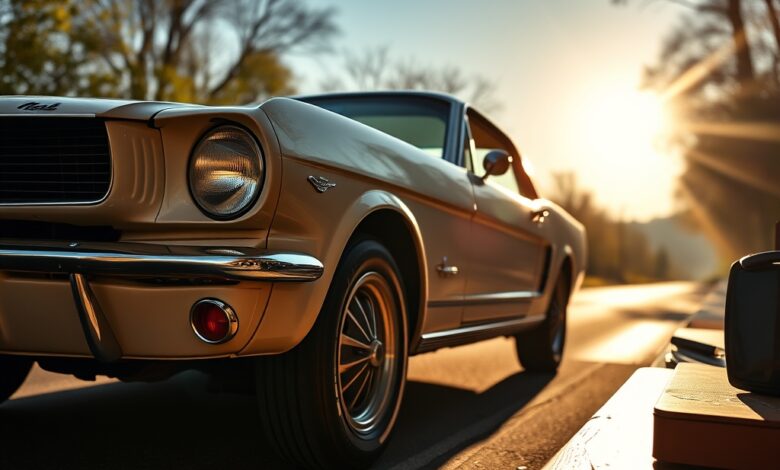
There’s a unique thrill that comes with the rumble of a V8 under a sleek, iconic silhouette – a feeling that modern electric whispers can’t replicate. For many collectors, the allure of a vintage mustang is more than nostalgia; it’s an investment in automotive heritage and raw performance. Whether you’re chasing the classic pony car’s timeless style or looking to add a solid asset to your garage, 2024 offers a surprisingly vibrant market for these legends. In this guide, we’ll walk you through every step of buying a classic Mustang, from budgeting and inspection to finding the right seller and preserving that iconic roar for decades to come.
Why a Vintage Mustang Still Captivates Enthusiasts
The Mustang’s debut in 1964 sparked a cultural phenomenon, and each subsequent generation has built on that legacy. Today’s collectors are drawn to the vintage mustang for several compelling reasons:
- Heritage value: Original models embody a slice of American automotive history.
- Performance pedigree: Early V8 engines deliver raw, unfiltered power that modern cars often mask.
- Resale potential: Well‑maintained Mustangs have consistently appreciated, especially limited‑edition runs.
- Community support: A passionate owner network offers parts, advice, and events worldwide.
Understanding these motivations helps you set realistic expectations and align your purchase with long‑term goals.
Understanding the 2024 Classic Mustang Market
The 2024 market for a vintage mustang is shaped by supply constraints, regional demand, and evolving collector preferences. Here’s what you need to know:
- Model focus: Early 1965‑1969 models, especially the 1965‑66 Fastback and 1969 Boss 429, command premium prices.
- Price range: Expect $30,000 for a project car in fair condition, while fully restored examples can exceed $120,000.
- Regional hotspots: California, Texas, and the Midwest host the highest concentration of quality Mustangs.
- Auction impact: High‑profile auctions (e.g., Barrett‑Jackson, Mecum) can drive price spikes for rare variants.
Staying aware of these dynamics ensures you enter negotiations with confidence.
Budgeting and Financing a Vintage Mustang
Buying a classic car is more than the sticker price; you must account for acquisition costs, restoration, insurance, and ongoing maintenance. Below is a practical budgeting framework.
- Purchase price: Set a maximum based on market research – typically 60‑70 % of your total budget.
- Restoration fund: Allocate 20‑30 % of the purchase price for mechanical and cosmetic work.
- Insurance: Classic car policies often cost 5‑10 % of the vehicle’s appraised value annually.
- Storage: Secure indoor storage can run $100‑$300 per month, protecting the car from the elements.
- Financing options: Consider specialized classic car loans, which may offer 5‑7 % APR with terms up to 10 years.
Comparison of Financing Options for Classic Cars
| Option | Typical APR | Term Length | Down Payment | Pros | Cons |
|---|---|---|---|---|---|
| Specialized Classic Car Loan | 5‑7 % | 5‑10 years | 10‑20 % | Long terms, tailored to collectors | Higher interest than new‑car loans |
| Personal Loan | 8‑12 % | 2‑5 years | 0 % | Fast approval, flexible use | Shorter repayment, higher monthly payments |
| Home Equity Line of Credit (HELOC) | 4‑6 % | Variable | 0 % | Low rates, interest may be tax‑deductible | Risk of losing home if defaulted |
| Dealer Financing (Rare for Classics) | 6‑9 % | 3‑7 years | 10‑15 % | Convenient, may include warranties | Limited availability, higher fees |
Key Inspection Checklist for a Vintage Mustang
A thorough inspection can save thousands of dollars and protect your investment. Use this checklist before signing any paperwork.
Exterior Evaluation
- Check for rust on the floor pans, rocker panels, and trunk lid.
- Inspect paint consistency; mismatched panels may indicate previous repairs.
- Verify original chrome pieces (grille, bumpers) for authenticity.
- Assess condition of the convertible top (if applicable) for tears or mildew.
Mechanical Inspection
- Engine compression test – healthy V8s should read 150‑180 psi per cylinder.
- Inspect timing chain or belt condition; a worn chain can cause catastrophic failure.
- Examine transmission fluid for metal particles – a sign of internal wear.
- Test the rear axle and differential for leaks or abnormal noises.
Interior and Documentation
- Original upholstery and dashboard trim add to value – look for wear patterns.
- Check for original VIN plate and matching paperwork (title, build sheet).
- Confirm that the odometer reading aligns with the vehicle’s age and condition.
- Review any restoration receipts; documented work increases buyer confidence.
Where to Find and Purchase a Vintage Mustang
Finding the right vintage mustang requires a mix of online research, networking, and on‑the‑ground scouting. Below are the most reliable avenues.
- Classic Car Auctions: Major houses like Barrett‑Jackson and Mecum host dedicated Mustang sessions. Auctions provide transparent condition reports but often include buyer’s premiums (10‑15 %).
- Specialty Dealerships: Dealers focusing on muscle cars offer vetted inventory, sometimes with limited warranties.
- Online Marketplaces: Platforms such as Hemmings, ClassicCars.com, and Bring a Trailer list thousands of Mustangs, ranging from project cars to fully restored gems.
- Club Networks: Joining Mustang clubs (e.g., SEMA, Mustang Club of America) opens doors to private sales and insider tips.
- Local Classifieds & Car Shows: Small-town classifieds and regional car shows can reveal hidden gems not listed online.
Comparison of Buying Channels
| Channel | Typical Price Range | Buyer Protection | Pros | Cons |
|---|---|---|---|---|
| Auction | $35,000‑$150,000 | Limited (as‑is sale) | Access to rare models, transparent bidding | Buyer’s premium, limited inspection time |
| Specialty Dealer | $40,000‑$130,000 | Dealer warranty, return policy | Pre‑screened inventory, financing options | Higher markup, limited selection |
| Online Marketplace | $30,000‑$120,000 | Varies by seller | Wide selection, ability to compare | Risk of misrepresentation, shipping costs |
| Private Sale (Club/Network) | $30,000‑$140,000 | Negotiable, no formal protection | Potentially lower price, personal rapport | Due diligence fully on buyer |
Maintaining and Preserving Your Vintage Mustang
Ownership doesn’t end at the purchase; proper maintenance ensures your Mustang remains both a joy to drive and a valuable asset.
- Regular Engine Care: Change oil every 3,000‑5,000 miles with high‑quality synthetic blends; monitor coolant and transmission fluids.
- Rust Prevention: Apply rust inhibitors to undercarriage and wheel wells; store in a climate‑controlled garage.
- Periodic Repaint: If the original paint is compromised, consider a professional restoration that matches factory colors.
- Documentation: Keep a detailed log of all service, parts, and upgrades; this boosts resale value.
- Driving Habits: Warm up the engine before hard acceleration; avoid prolonged idling to protect the carburetor (if applicable).
By treating your classic as a living piece of history, you’ll enjoy its performance while safeguarding its market appeal for future generations.
FAQ
Is it better to lease or buy a classic car like a vintage mustang?
Leasing is rare for classic cars because lenders prefer assets that retain value and have predictable depreciation. Buying—especially with a specialized classic car loan—offers ownership, the ability to restore, and potential appreciation. Leasing may be possible through niche specialty programs, but it typically comes with higher monthly costs and strict mileage limits.
What mileage is considered acceptable for a used vintage mustang?
Original Mustangs often have low mileage compared to modern cars, but mileage alone isn’t the sole indicator of condition. A well‑maintained 50,000‑mile example can be healthier than a 30,000‑mile car that sat idle for years. Focus on service records, engine health, and rust condition rather than mileage alone.
Do I need a special insurance policy for a vintage mustang?
Yes. Classic car insurance policies are tailored to collectible vehicles, offering agreed‑value coverage, flexible mileage limits, and often lower premiums for limited use. These policies also consider the car’s restoration status and may provide coverage for original parts.
Can I modify a vintage mustang without hurting its value?
Modifications can be a double‑edged sword. Mild, period‑correct upgrades (e.g., upgraded suspension, modern brakes) often enhance both performance and value. However, non‑original alterations—such as large spoilers or forced induction—can reduce collector appeal unless the car is a known “restomod” with documented, high‑quality work.
What legal steps are required when buying a classic car at auction?
After winning a bid, you must sign the bill of sale, verify the VIN matches the title, and complete any state-specific emissions or registration paperwork. Some states require a “title transfer” within a specific timeframe; be sure to obtain a temporary tag if you plan to transport the car immediately.