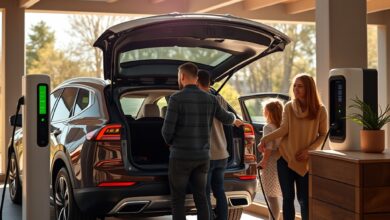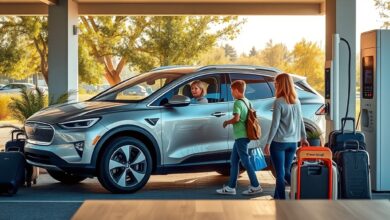

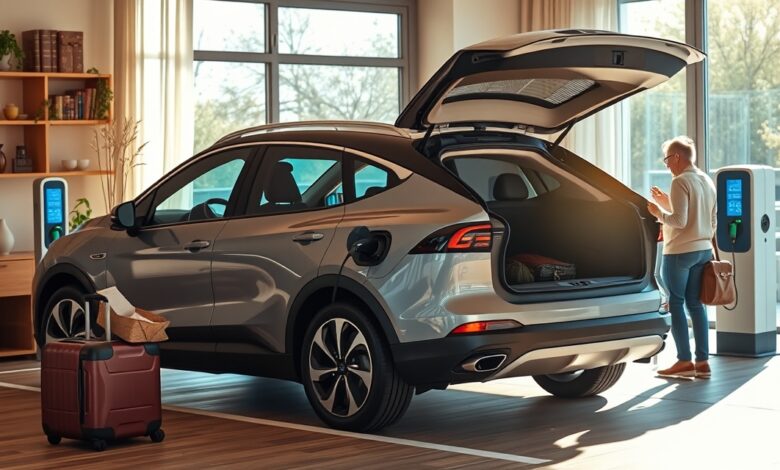
Family road trips are getting a silent upgrade as the market shifts toward electric powertrains. The surge of electric SUVs offers the perfect blend of space, safety, and sustainability, making them an attractive option for parents who want to reduce emissions without sacrificing practicality. Whether you’re hauling kids, pets, or gear for a weekend adventure, the right electric SUV can deliver the range and comfort you need while keeping fuel costs low. In this guide, we’ll explore the most compelling electric SUVs for families in 2024, break down the essential buying criteria, and provide actionable tips to help you navigate incentives, financing, and future‑proof technology.
Why Electric SUVs Are Becoming the Family Choice
Electric SUVs have moved from niche to mainstream thanks to improvements in battery density, expanding charging networks, and a growing lineup of models that prioritize interior space. Families appreciate the higher driving position for better visibility, the flexible seating arrangements, and the quiet cabin that makes school runs and long drives more pleasant. Moreover, many electric SUVs now offer generous cargo capacity, roof‑rack compatibility, and advanced driver‑assistance systems that enhance safety for younger passengers.
From a cost perspective, the total cost of ownership for electric SUVs continues to shrink. Lower maintenance requirements, fewer moving parts, and the ability to charge at home reduce the day‑to‑day expense compared with traditional gasoline‑powered SUVs. When you pair these savings with federal tax credits and state rebates, the financial case for going electric becomes even stronger for families on a budget.
Key Criteria for Selecting an Electric SUV
Choosing the right electric SUV involves more than just looking at the badge. Families need to evaluate several practical factors to ensure the vehicle fits their lifestyle and long‑term needs.
Range and Battery Capacity
- Look for a minimum EPA‑rated range of 250 miles to comfortably cover daily school runs and weekend getaways without frequent charging stops.
- Consider fast‑charging capability (e.g., 150 kW or higher) to replenish 80 % of the battery in under 30 minutes on highway trips.
- Check the warranty on the battery pack; most manufacturers offer 8‑year or 100,000‑mile coverage, which is crucial for family peace of mind.
Interior Space and Seating Flexibility
- Three‑row seating is a must for larger families; ensure the third row is usable for adults, not just children.
- Flat‑folding second‑row seats and a low cargo floor maximize usable space for strollers, sports equipment, or groceries.
- Look for thoughtful storage solutions such as under‑floor compartments, door pockets, and a configurable center console.
Safety and Driver Assistance
- Prioritize models with top safety ratings from NHTSA and IIHS, especially those earning “Top Safety Pick+” honors.
- Advanced driver‑assistance systems (ADAS) like adaptive cruise control, lane‑keeping assist, and automatic emergency braking are valuable for reducing driver fatigue on long trips.
- Family‑focused features such as rear‑seat reminder alerts and integrated child‑seat anchors (LATCH) add an extra layer of safety.
Top Electric SUVs for Families in 2024
The 2024 lineup showcases a diverse set of electric SUVs, each catering to different budget ranges and family sizes. Below is a snapshot of the most compelling options, followed by a detailed comparison table.
Comparison of Leading Models
| Model | Starting Price | EPA Range | Seating Capacity | Key Feature | Pros | Best For |
|---|---|---|---|---|---|---|
| Tesla Model Y | $49,990 | 330 miles | 5 (optional 7‑seat) | Extensive Supercharger network | Strong performance, over‑the‑air updates | Tech‑savvy families |
| Kia EV6 (GT-Line) | $55,200 | 310 miles | 5 | Fast 350 kW charging | Stylish design, roomy interior | Active families needing quick charge |
| Ford Mustang Mach‑E (Premium) | $53,500 | 305 miles | 5 | Co‑pilot360 ADAS suite | Engaging driving dynamics | Families who enjoy sporty feel |
| Volkswagen ID.4 Pro | $42,500 | 260 miles | 5 | Integrated infotainment with CarPlay | Affordably priced, comfortable ride | Budget‑conscious families |
| Hyundai Palisade Hybrid (EV concept) | $60,000 (estimated) | 280 miles (estimated) | 7 | Three‑row seating, premium interior | Spacious for large families | Large families needing extra seats |
| Volvo XC40 Recharge | $55,300 | 270 miles | 5 | Scandinavian safety suite | Luxury feel, strong safety tech | Families prioritizing safety |
Each model brings a unique blend of range, price, and family‑friendly features. Below, we dive deeper into the standout attributes of the top three contenders.
Tesla Model Y
The Model Y remains a leader thanks to its impressive 330‑mile range and the unparalleled Supercharger network, which eases range anxiety on cross‑country trips. Its optional third‑row seats fold flat, providing a flexible cargo area when not in use. The minimalist interior, combined with over‑the‑air software updates, ensures the vehicle stays current with new features and safety improvements long after purchase.
Kia EV6 (GT‑Line)
Kia’s EV6 offers a striking design and one of the fastest 350 kW DC fast‑charging capabilities in its class, reaching 80 % charge in just 18 minutes on compatible chargers. The interior is spacious, with a flat floor that maximizes legroom for rear passengers. Family‑focused tech includes a 14‑inch dual‑screen cockpit and a suite of driver‑assist features that make highway cruising less tiring.
Ford Mustang Mach‑E (Premium)
Ford blends performance with practicality in the Mach‑E Premium trim, delivering 305 miles of range and a well‑tuned suspension that handles both city streets and winding roads with confidence. The Co‑pilot360 suite adds adaptive cruise control, lane‑centering, and a blind‑spot monitor, all of which are valuable for families juggling school runs and errands.
Financing and Incentives for Family EV Purchases
Buying an electric SUV can be more affordable than it first appears when you factor in federal tax credits, state rebates, and low‑interest financing options. Understanding these incentives helps families maximize savings and choose the most cost‑effective ownership model.
- Federal Tax Credit: Up to $7,500 for qualifying EVs, applied when filing your annual tax return. Verify each model’s eligibility, as credits phase out after manufacturers hit sales caps.
- State and Local Rebates: Many states offer additional cash rebates ranging from $1,000 to $5,000, plus reduced registration fees.
- Utility Incentives: Some utilities provide free home charger installations or discounted electricity rates for EV owners.
- Lease vs. Buy: Leasing can lower monthly payments and give access to the latest technology every few years, but buying often yields better long‑term value, especially when you plan to keep the vehicle for 7‑10 years.
- Low‑Interest Loans: Credit unions and online lenders frequently offer special EV loan rates as low as 1.9 % APR.
When budgeting, include the estimated cost of a Level 2 home charger (typically $500–$1,200) and any potential installation fees. Many manufacturers bundle charger kits with the vehicle, further reducing upfront costs.
Future Trends to Watch in the Electric SUV Segment
The electric SUV market is evolving rapidly, and families looking to purchase now should keep an eye on emerging trends that could influence resale value and long‑term usability.
- Longer‑Range Batteries: By 2026, several manufacturers promise 400‑plus mile EPA ranges, reducing the need for frequent charging on long trips.
- Modular Interior Platforms: New designs allow seats to be reconfigured or removed entirely, turning the cabin into a mobile living space—ideal for road‑trip families.
- Vehicle‑to‑Grid (V2G) Technology: Future EVs may feed excess stored energy back into the home grid, providing backup power during outages—a compelling feature for families in storm‑prone regions.
- Enhanced ADAS: Level 3 autonomous driving capabilities are expected to debut in select electric SUVs, enabling hands‑free highway cruising and reducing driver fatigue on long journeys.
- Subscription Services: Automakers are experimenting with all‑inclusive subscription models that cover maintenance, insurance, and charging, offering families a predictable monthly expense.
Staying informed about these developments can help families future‑proof their purchase, ensuring the electric SUV remains a reliable, adaptable vehicle for years to come.
FAQ
Is it better to lease or buy an electric SUV for a family?
Leasing typically offers lower monthly payments and the ability to upgrade to newer technology every few years, which can be attractive if you anticipate rapid model improvements. Buying, however, builds equity and can be more economical over a 7‑10‑year ownership horizon, especially when you factor in federal tax credits and lower maintenance costs. Consider your family’s long‑term plans and whether you prefer predictable short‑term costs (lease) or long‑term value (buy).
How much does it cost to charge an electric SUV at home?
Charging costs depend on local electricity rates. On average, U.S. rates are about $0.13 per kWh. A 75 kWh battery (common in many electric SUVs) would cost roughly $9.75 for a full charge, providing 250‑300 miles of range. Installing a Level 2 charger may add $500‑$1,200 upfront, but many utilities offer rebates that offset this expense.
What range should a family look for in an electric SUV?
For most families, a minimum of 250 miles of EPA‑rated range is advisable. This provides enough buffer for daily school runs, grocery trips, and occasional weekend getaways without needing to stop at a public charger. If you frequently travel longer distances, aim for models offering 300+ miles or fast‑charging