
Why First-Time Collectors Are Turning to Classic Cars
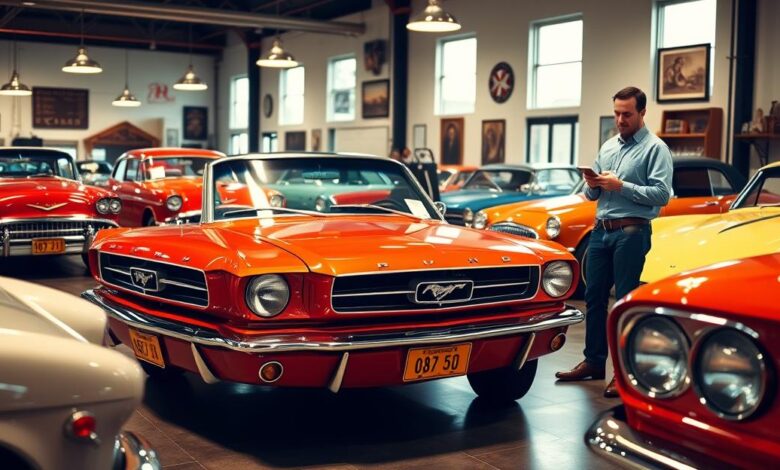
The allure of classic cars goes beyond nostalgia; it’s a blend of artistry, engineering heritage, and investment potential that captivates new enthusiasts. For many, the thrill of spotting a pristine 1960s muscle car or a sleek European roadster feels like finding a hidden treasure in a sea of modern vehicles. Classic cars offer a tangible connection to automotive history while providing a unique driving experience that modern cars simply can’t replicate. If you’re ready to start building a collection, understanding the fundamentals of buying, budgeting, and preserving these gems is essential.
Setting a Realistic Budget for Classic Car Collecting
Before you fall in love with a particular model, determine how much you can comfortably invest. Classic car budgets differ from typical car purchases because they must account for purchase price, restoration costs, insurance, storage, and ongoing maintenance.
- Purchase price: Market values can range from $10,000 for modest examples to over $200,000 for rare, high-demand models.
- Restoration & repairs: Even a well‑preserved car may need work; allocate 20‑30% of the purchase price for parts and labor.
- Insurance: Classic car policies are specialized; premiums often depend on vehicle value, usage, and storage conditions.
- Storage: Climate‑controlled garages protect paint and interiors; expect $100‑$300 per month for secure space.
- Maintenance: Routine servicing, especially for older engines, can cost $500‑$1,500 annually.
Start by creating a spreadsheet that outlines each expense category. This transparent approach prevents overspending and helps you prioritize which cars fit your financial comfort zone.
Key Factors to Evaluate When Inspecting Classic Cars
A thorough inspection is the cornerstone of a successful purchase. Unlike modern cars with digital diagnostics, classic cars require a hands‑on, detail‑oriented assessment.
Mechanical Condition
Focus on the engine, transmission, suspension, and brakes. Look for signs of wear, oil leaks, and rust. A well‑maintained engine should turn over smoothly, and the transmission should shift without grinding.
Body and Paint Integrity
Examine the body panels for rust, especially in wheel wells, door sills, and undercarriage. Original paint is a major value driver; mismatched or repainted sections can lower resale potential.
Documentation and Provenance
Original sales receipts, service records, and title history add credibility. A documented lineage, such as a previous ownership by a notable figure, can significantly boost a car’s desirability.
Parts Availability
Some models have thriving aftermarket support, while others rely on scarce OEM components. Research parts suppliers and restoration shops before committing to a model that may be difficult to maintain.
Where to Find Reliable Classic Car Listings and Auctions
Finding trustworthy sources is vital for first‑time collectors. Below are the most reputable channels to explore:
- Specialty Classic Car Dealers: These businesses often certify vehicle condition and provide warranties.
- Online Marketplaces: Websites like Hemmings, ClassicCars.com, and Bring a Trailer host vetted listings with detailed photos and seller histories.
- Auctions: Reputable auction houses such as Barrett-Jackson, Mecum, and RM Sotheby’s offer transparent bidding processes and pre‑auction inspections.
- Car Clubs and Enthusiast Groups: Local chapters of brands (e.g., Mustang Club, Porsche Club) frequently share private sale leads and restoration advice.
When using online platforms, always request high‑resolution images, VIN numbers, and a vehicle history report. For auctions, attend the preview days to physically inspect the cars and ask the auction house for any known issues.
Comparison of Popular Entry‑Level Classic Cars for First-Time Collectors
| Model | Starting Price (USD) | Typical Mileage | Key Feature | Pros | Best For |
|---|---|---|---|---|---|
| 1965 Ford Mustang | $15,000 | 80,000‑120,000 mi | Iconic American muscle | Abundant parts, strong community | Beginners seeking affordable muscle |
| 1967 Chevrolet Camaro | $18,000 | 70,000‑110,000 mi | Powerful V8 options | High resale potential, easy to modify | Collectors interested in performance upgrades |
| 1970 Porsche 911 | $55,000 | 60,000‑90,000 mi | Timeless European design | Exceptional handling, strong brand heritage | Enthusiasts willing to invest in premium care |
Financing and Insurance Options for Classic Car Purchases
Unlike new car loans, financing a classic often involves specialty lenders who understand the unique depreciation curve and market volatility.
- Classic Car Loans: Banks and credit unions may offer loans up to 80% of the appraised value, with terms ranging from 3 to 7 years.
- Dealer Financing: Some classic dealers partner with lenders to provide in‑house financing, often with flexible down‑payment structures.
- Leasing Rare Models: A short‑term lease can be an option for high‑value cars you want to experience without long‑term commitment.
- Insurance: Classic car policies are typically agreed‑value policies, meaning you and the insurer set a fixed payout amount, avoiding market fluctuations.
When applying for financing, prepare a detailed appraisal from a certified classic car appraiser. Lenders will rely heavily on this document to assess risk and determine loan terms.
Future Trends and Preservation Tips for Classic Cars
The classic car market is evolving, with technology and cultural shifts influencing collector behavior. Staying ahead of these trends can protect and enhance your investment.
Digital Documentation and Blockchain Provenance
Some platforms now use blockchain to create immutable records of ownership, mileage, and restoration history. This transparency reduces fraud and can increase resale value.
Electrification of Classic Models
Converting classic cars to electric powertrains is gaining popularity. While still a niche, EV conversions can improve reliability, reduce emissions, and attract a new generation of enthusiasts.
Preservation Best Practices
- Store the vehicle in a climate‑controlled environment to prevent rust and paint degradation.
- Use a high‑quality car cover that breathes to avoid moisture buildup.
- Start the engine regularly, or use a battery tender, to keep mechanical components lubricated.
- Apply a fresh coat of wax or sealant every six months to protect the paint.
- Schedule annual professional inspections, focusing on suspension bushings, brake lines, and electrical wiring.
By combining diligent maintenance with an eye on emerging trends, you can ensure your classic car remains both a joy to drive and a solid financial asset for years to come.
Frequently Asked Questions
What is a reasonable budget for a first classic car?
A solid starting budget is $15,000‑$30,000, which covers the purchase price and allows for $2,000‑$5,000 in initial restoration or maintenance. Adjust based on the specific model and condition you target.
Should I buy a classic car that needs restoration?
Buying a project car can be rewarding, but only if you have the time, skills, or reliable shop contacts. Factor restoration costs (often 20‑30% of the purchase price) into your overall budget.
How do I protect my classic car from rust?
Store the car in a dry, temperature‑controlled garage, apply rust‑inhibiting undercoating, and regularly inspect and treat any early rust spots with primer and paint.
Is classic car insurance more expensive than regular auto insurance?
Not necessarily. Classic car policies are usually agreed‑value policies, which can be more affordable because they consider the car’s collector value rather than market depreciation. Shop around for specialist insurers.
Can I finance a classic car with a traditional auto loan?
Most traditional lenders are hesitant to finance classic cars due to their atypical depreciation. Specialty lenders, credit unions, or dealer‑arranged financing are better suited for these purchases.
Are EV conversions worth the investment?
EV conversions can increase reliability and broaden the car’s appeal, but they’re costly (often $30,000‑$70,000). Consider your long‑term goals and whether the conversion aligns with the vehicle’s historical authenticity.