
Why Vintage Car Investment Is Captivating in 2024
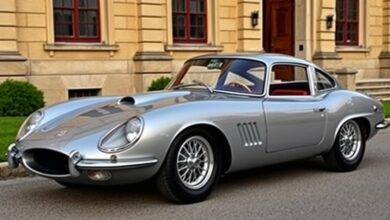
There’s a magnetic pull that classic automobiles exert on collectors, and in 2024 that pull is stronger than ever. A well‑chosen vintage car investment can deliver both the thrill of ownership and a solid financial upside, especially as younger collectors enter the market with a passion for heritage and design. Whether you’re drawn by the sleek lines of a 1960s sports coupe or the timeless elegance of a post‑war sedan, understanding the dynamics of vintage car investment is the first step toward building a portfolio that appreciates over time.
Key Factors to Evaluate Before Making a Vintage Car Investment
Before you write a check, assess the fundamentals that separate a promising asset from a costly hobby. The following criteria help you gauge a vehicle’s long‑term value and ensure your purchase aligns with your financial goals.
Historical Significance
- Models that pioneered technology (e.g., early fuel injection, disc brakes) often command premium prices.
- Cars linked to iconic events, movies, or famous owners carry added provenance.
Production Numbers and Rarity
- Limited production runs (under 5,000 units) typically appreciate faster.
- Special edition trims or factory‑built options increase scarcity.
Originality and Condition
- Original paint, interior, and drivetrain components boost authenticity.
- Restorations should be documented; a fully documented, period‑correct rebuild adds value.
Market Trends and Liquidity
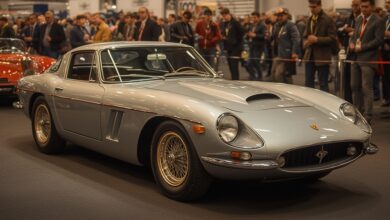
- Track auction results from houses like RM Sotheby’s, Bonhams, and Gooding & Company.
- Identify segments with rising demand, such as 1970s European sports cars or early Japanese performance models.
Top Vintage Cars to Invest in Now: The 2024 Ultimate Guide
The following models have demonstrated strong appreciation trajectories and are poised for continued growth. Each entry includes why the car is a solid vintage car investment, typical price ranges, and tips for spotting the best examples.
1. 1965-1970 Ford Mustang (First‑Generation)
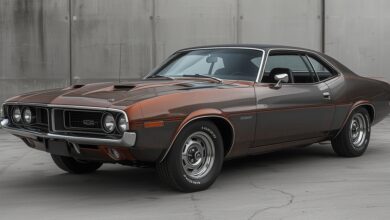
The Mustang’s iconic status makes it a perennial favorite among collectors. Early fastback and convertible bodies, especially those with the high‑performance “Boss” 302 or 429 engines, have seen double‑digit annual appreciation rates.
- What to look for: Original VIN‑matched engine, factory‑installed “Shaker” hood, and period‑correct interior.
- Price range: $35,000–$85,000 depending on condition and rarity.
2. 1971-1974 Porsche 911 Carrera RS
The 911 Carrera RS is a benchmark for lightweight, driver‑focused engineering. Its “ducktail” spoiler and 2.7‑liter flat‑six engine are highly sought after, especially in well‑preserved examples.
- What to look for: Original chassis number, factory‑installed “RS” badge, and low mileage.
- Price range: $180,000–$260,000.
3. 1969-1972 Chevrolet Camaro Z/28
The Z/28’s high‑revving 302 V8 and performance‑oriented suspension make it a collector’s dream. Low‑run “C2” and “C3” models, particularly those with factory‑installed spoilers, have surged in value.
- What to look for: Original “C2” or “C3” spoiler, factory‑installed “C3” suspension, and matching numbers.
- Price range: $55,000–$120,000.
4. 1974-1978 BMW 3.0 CSL “Batmobile”
Nicknamed the “Batmobile” for its aerodynamic bodywork, the 3.0 CSL is a rare European muscle car. Its lightweight construction and powerful six‑cylinder engine command top dollar at auctions.
- What to look for: Factory‑installed aerodynamic kit, original “CSL” badge, and documented race history.
- Price range: $300,000–$500,000.
5. 1970-1974 Datsun 240Z (Early Z Series)
The early Z cars are the Japanese answer to European sports coupes, offering sleek styling and reliable performance. First‑generation models in original condition have begun to attract serious collector interest.
- What to look for: Original “240Z” badging, factory‑installed “Sport” suspension, and minimal rust.
- Price range: $30,000–$55,000.
6. 1963-1967 Jaguar E-Type Series 1
Often hailed as one of the most beautiful cars ever made, the E‑Type’s combination of design and performance keeps it at the top of vintage car investment lists. Low‑mileage, well‑preserved examples with original “C” type wheels are especially valuable.
- What to look for: Original “C” type wheels, factory‑installed “E-Type” badge, and matching numbers.
- Price range: $120,000–$250,000.
Financing and Ownership Costs for Vintage Car Investment
Even though vintage cars are often bought outright, many investors use financing to preserve liquidity. Understanding the cost structure helps you keep the investment profitable.
Loan vs. Lease Options
- Loans: Traditional auto loans or specialty classic car loans typically feature lower interest rates (3–6%) and longer terms (5–10 years).
- Leases: Rarely used for vintage cars because depreciation is inverted; however, some high‑value collectors may lease to test a model before purchasing.
Insurance Considerations
- Agreed‑value policies protect against market fluctuations.
- Comprehensive coverage with “loss of use” riders is essential for high‑value classics.
- Annual premiums can range from 1% to 3% of the car’s appraised value.
Storage and Maintenance
- Climate‑controlled garages prevent moisture damage and preserve paint.
- Routine maintenance (oil changes, fluid checks) should be performed with period‑correct parts.
- Annual maintenance budgets often exceed $5,000 for high‑performance classics.
Comparison of Investment Returns Across Selected Vintage Models
Performance Metrics for 2024 Vintage Car Investment
| Model | Approx. Purchase Price | Average Annual Appreciation | Rarity (Units Produced) | Best For |
|---|---|---|---|---|
| Ford Mustang (1965‑1970) | $45,000 | 7% – 10% | ~1.5 million | American muscle enthusiasts |
| Porsche 911 Carrera RS (1971‑1974) | $220,000 | 12% – 15% | ~1,000 | European sports collectors |
| Chevrolet Camaro Z/28 (1969‑1972) | $80,000 | 8% – 11% | ~30,000 | Performance-focused investors |
| BMW 3.0 CSL “Batmobile” (1974‑1978) | $420,000 | 14% – 18% | ~2,000 | Rare European muscle fans |
| Datsun 240Z (1970‑1974) | $40,000 | 6% – 9% | ~100,000 | Emerging Japanese classic market |
| Jaguar E‑Type Series 1 (1963‑1967) | $180,000 | 9% – 12% | ~12,000 | Luxury design connoisseurs |
Practical Tips for Acquiring Vintage Cars at Auctions and Private Sales
Whether you’re bidding at a high‑profile auction or negotiating with a private owner, a disciplined approach reduces risk and maximizes value.
Pre‑Auction Research
- Review past auction results on sites like RM Sotheby’s and Bonhams.
- Identify “lot numbers” that match your target model and condition.
- Obtain a pre‑auction inspection report if available.
Inspection Checklist
- Verify VIN matches engine, chassis, and documentation.
- Inspect for rust, especially in floor pans and underbody.
- Check for original paint and interior upholstery.
- Confirm that any modifications are period‑correct and documented.
Negotiation Strategies
- Set a firm maximum bid based on market data and your budget.
- Leverage any restoration work needed as a bargaining chip.
- Consider “buy‑it‑now” options on reputable dealer inventories to avoid auction premiums.
Future Outlook: How Vintage Car Investment Is Shaping the Market in 2024 and Beyond
The vintage car market is evolving alongside broader economic trends. Here’s what to watch as you build your portfolio.
Impact of Global Wealth Shifts
- Rising numbers of high‑net‑worth individuals in Asia and the Middle East are increasing demand for rare European and American classics.
- Cross‑border transactions are becoming smoother thanks to digital escrow services.
Technology and Provenance Verification
- Blockchain‑based title registries are emerging, providing immutable proof of ownership.
- Advanced imaging (360° scans) helps buyers verify condition remotely.
Environmental Regulations
- Some cities are limiting the use of high‑emission classics; owners may need to secure “historic vehicle” exemptions.
- Electric conversion kits are gaining popularity, offering a way to preserve classic aesthetics while meeting emissions standards.
FAQ
Is financing a vintage car a good idea?
Financing can preserve cash flow and allow you to diversify your collection, but it’s essential to secure a low‑interest classic‑car loan and maintain adequate insurance coverage. Avoid high‑interest personal loans that can erode returns.
How do I determine a fair purchase price for a vintage car?
Research recent auction results, consult price guides like Hagerty’s Valuation Tools, and compare similar condition, mileage, and provenance. A professional appraisal can also provide a benchmark.
What are the most important legal considerations when buying at an auction?
Ensure the seller has clear title, verify the VIN matches all documentation, and understand the auction house’s buyer’s premium and any export restrictions if you plan to ship the car internationally.
Can I convert a classic car to electric without losing value?
Electric conversions are gaining acceptance, especially if done by reputable specialists and documented thoroughly. However, purists may still prefer original powertrains, so assess market sentiment for the specific model.
How often should I service a vintage car to maintain its investment value?
Regular maintenance every 3,000–5,000 miles, or at least annually, is recommended. Use period‑correct parts and keep detailed service records; this documentation enhances resale value.