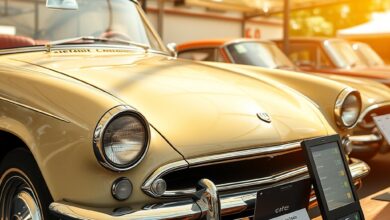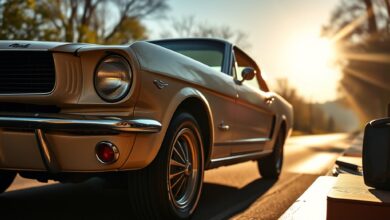

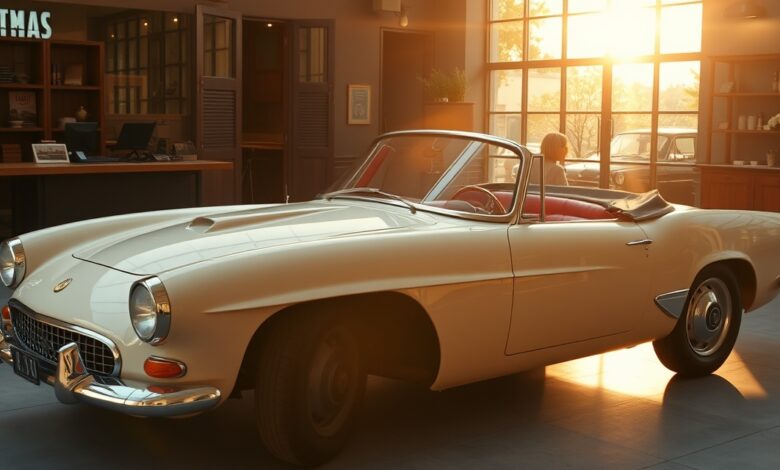
There’s nothing quite like the thrill of spotting a perfectly preserved vintage car cruising down a sun‑drenched boulevard, its chrome gleaming and engine humming with history. For many enthusiasts, the hunt for vintage cars is more than a hobby—it’s a passionate quest to own a piece of automotive art that tells a story. Whether you’re a seasoned collector or a newcomer eager to start your first acquisition, navigating the world of classic automobiles requires savvy research, realistic budgeting, and a keen eye for authenticity. Below, we break down the essential steps to help you find the perfect vintage car for your collection today, from initial research to final purchase and beyond.
Understanding What Makes a Vintage Car Valuable
Before you dive into listings or attend auctions, it’s crucial to grasp the factors that drive a vintage car’s value. While rarity and age are obvious components, other elements such as provenance, originality, and market trends play equally important roles.
Key Value Drivers
- Rarity: Limited production numbers or unique models (e.g., a 1965 Shelby Cobra) command premium prices.
- Originality: Cars that retain factory specifications—original paint, engine, and interior—are far more desirable than heavily modified examples.
- Provenance: Documented history, such as ownership by a notable figure or participation in historic races, can significantly boost value.
- Condition: A well‑preserved chassis, rust‑free bodywork, and a functional drivetrain are non‑negotiable for serious collectors.
- Market Trends: Shifts in collector interest (e.g., a surge in demand for Japanese classics) can affect pricing dramatically.
Setting Realistic Expectations
Many first‑time buyers assume that a classic car will appreciate like fine art, but the market can be volatile. Aim for a balance between passion and practicality: choose a model you love, but also one that fits your budget and long‑term ownership goals.
Creating a Budget and Financing Plan
Buying a vintage car is an investment that extends beyond the purchase price. Restoration, insurance, storage, and ongoing maintenance can add up quickly. A solid financing plan ensures you enjoy the ownership experience without financial strain.
Breakdown of Typical Costs
- Purchase Price: Ranges from a few thousand dollars for modest models to six‑figure sums for rare icons.
- Restoration & Repairs: Expect 20‑40% of the purchase price for a thorough restoration, especially if the car needs engine work or bodywork.
- Insurance: Classic car policies often cost 5‑10% of the car’s agreed‑value annually, but factors like mileage, storage, and usage affect premiums.
- Storage: Climate‑controlled garages or dedicated car barns can run $100–$500 per month depending on location.
- Maintenance: Routine services (oil changes, brake adjustments) are more frequent on older vehicles; budget $1,000–$3,000 per year.
Financing Options for Vintage Cars
Unlike new vehicles, vintage cars are rarely financed through traditional auto loans. Here are common routes:
- Specialty Classic Car Lenders: Institutions that understand the market and offer loans based on the car’s appraised value.
- Home Equity Loans: A viable option if you have sufficient equity and want lower interest rates.
- Private Financing: Agreements with sellers or collectors, often involving a down payment and staggered payments.
- Leasing (Rare): Some high‑value cars are offered on short‑term lease for events; not a typical ownership path.
Where to Find Authentic Vintage Cars
The hunt for vintage cars can take you to a variety of venues, each with its own advantages and pitfalls. Knowing where to look and what to expect will save you time and protect your investment.
Auctions and Classic Car Shows
- Major Auction Houses: Barrett-Jackson, RM Sotheby’s, and Gooding & Company host high‑profile events that attract reputable sellers.
- Regional Auctions: Local auction houses often have hidden gems at lower prices, but due diligence is essential.
- Car Shows & Meets: Networking with owners at events like the Amelia Island Classic can lead to private sales.
Online Marketplaces and Forums
- Specialized Websites: Hemmings, ClassicCars.com, and Bring a Trailer offer vetted listings with detailed histories.
- Enthusiast Forums: Communities such as Classic Car Club of America (CCCA) or model‑specific forums often feature “For Sale” sections.
- Social Media Groups: Facebook groups dedicated to vintage car enthusiasts can provide leads, but verify authenticity before committing.
Dealerships and Private Sellers
Some classic car dealers specialize in restoration and resale, offering a turnkey experience. Private sellers may provide better pricing but require thorough inspection and paperwork.
Inspecting and Verifying a Vintage Car’s Authenticity
A thorough inspection is the cornerstone of a successful purchase. Even a seemingly flawless car can hide costly issues if not examined properly.
Pre‑Purchase Inspection Checklist
- Vehicle Identification Number (VIN) Verification: Cross‑check the VIN with factory records to confirm model year and options.
- Engine Health: Look for oil leaks, compression levels, and unusual noises; a compression test can reveal hidden wear.
- Body & Frame: Check for rust, previous repairs, and panel alignment; mismatched paint may indicate a repaint.
- Electrical System: Verify that original wiring harnesses are intact; aftermarket modifications can affect value.
- Documentation: Original build sheets, service records, and title history strengthen provenance.
Hiring a Specialist
Engage a classic car appraiser or a certified mechanic experienced with vintage models. Their expertise can uncover hidden problems and provide a professional valuation that supports negotiation.
Legal and Registration Considerations
Owning a vintage car involves more than just the purchase—legal compliance ensures you can drive, display, or store your vehicle without complications.
Title and Ownership Transfer
- Ensure the seller provides a clear title; lien‑free ownership is essential.
- For out‑of‑state purchases, familiarize yourself with the destination state’s title transfer process.
- Consider a bill of sale that includes vehicle details, purchase price, and seller’s signature.
Emissions and Safety Regulations
Many jurisdictions exempt vintage cars from modern emissions testing, but rules vary. Check local DMV guidelines to confirm whether your model qualifies for a classic or antique registration, which often offers reduced fees and relaxed inspection requirements.
Insurance Requirements
Classic car insurance policies differ from standard auto coverage. Look for:
- Agreed‑value policies that guarantee payout based on the car’s appraised worth.
- Limited mileage clauses—if you plan to drive the car regularly, ensure the policy accommodates it.
- Storage location discounts—many insurers lower premiums for vehicles kept in secure facilities.
Maintaining and Preserving Your Vintage Car
Proper maintenance not only protects your investment but also keeps the driving experience authentic. Below are best practices for long‑term preservation.
Routine Care Schedule
- Fluid Changes: Replace oil, coolant, and brake fluid every 3,000–5,000 miles or annually, whichever comes first.
- Battery Maintenance: Use a trickle charger and check electrolyte levels regularly to avoid sulfation.
- Tire Care: Store tires in a cool, dry place; rotate them every 5,000 miles to prevent flat‑spotting.
- Protective Coatings: Apply wax or a ceramic coating to preserve paint and prevent rust.
Restoration vs. Preservation
Decide early whether you aim to restore a car to factory condition or preserve its patina. Restoration can increase market value but also raises costs; preservation maintains originality, appealing to purists.
Finding Qualified Service Shops
Not all mechanics have the tools or knowledge to work on vintage engines, carburetors, or period‑specific electrical systems. Seek out shops with certifications from organizations like the CCCA or the Vintage Car Club of America.
Documenting Your Car’s History
Maintain a detailed logbook of all work performed, parts replaced, and mileage logged. This record enhances resale value and provides a clear lineage for future owners.
Preparing for Shows and Events
If you plan to display your vintage car at concours or club meets, consider the following:
- Polish and detail the exterior a week before the event.
- Perform a full mechanical check to ensure the car runs smoothly.
- Prepare a concise history sheet highlighting provenance, restoration work, and unique features.
Future Trends in Vintage Car Collecting
The market for vintage cars continues to evolve. Emerging trends include:
- Electrified Classics: Conversions of classic models to electric powertrains are gaining traction, offering sustainability while preserving aesthetics.
- Digital Provenance: Blockchain‑based certificates are being explored to verify ownership history and combat fraud.
- Online Auctions: The rise of virtual bidding platforms expands access to international buyers, influencing price dynamics.
Comparison of Popular Vintage Car Segments
| Segment | Typical Price Range | Key Models | Maintenance Complexity | Best For |
|---|---|---|---|---|
| American Muscle | $30,000 – $150,000 | Ford Mustang ’68, Chevrolet Camaro ’69 | Moderate – V8s require regular valve work | Enthusiasts who love raw power |
| European Sports | $50,000 – $250,000 | Porsche 911 ’70, Jaguar E-Type ’68 | High – Precision brakes, carburetors | Collectors seeking refinement |
| Japanese Classics | $20,000 – $80,000 | Datsun 240Z ’73, Toyota 2000GT ’69 | Low – Simpler mechanics, reliable engines | Budget‑conscious buyers |
| British Luxury | $40,000 – $200,000 | Rolls‑Royce Silver Cloud ’61, Aston Martin DB5 ’64 | Very High – Hand‑built components | Collectors valuing elegance |
Putting It All Together: A Step‑by‑Step Buying Plan
Now that you understand the landscape, here’s a concise roadmap to guide you from research to ownership.
Step 1 – Define Your Goals
- Identify the type of vintage car that aligns with your passion (e.g., American muscle, European sports).
- Set a realistic budget that includes purchase, restoration, and ongoing costs.
Step 2 – Research and Shortlist
- Use reputable online platforms, auction catalogs, and club networks.
- Create a spreadsheet tracking model year, price, mileage, and condition notes.
Step 3 – Verify Authenticity
- Obtain the VIN, original build sheet,