
Why Families Are Turning to EVs and the Rise of the Family SUV Segment
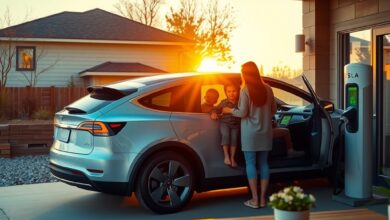
The automotive landscape is shifting faster than ever, and families are at the forefront of this transformation. With climate concerns, stricter emissions regulations, and a growing desire for tech‑savvy mobility, many households are eyeing electric powertrains. The family SUV has become the ideal blend of space, safety, and sustainability, offering the versatility parents need for school runs, road trips, and weekend adventures. As the market expands, the 2024 Tesla Model Y has set a high bar, but savvy shoppers are discovering a range of compelling alternatives that deliver comparable performance without compromising on practicality.
Key Criteria for Choosing a Family SUV in 2024
Before diving into specific models, it’s essential to establish a clear set of priorities. The right family SUV should balance budget, range, safety, and everyday usability. Below are the top factors to evaluate during your research phase.
Space and Seating Flexibility
- Three‑row seating that comfortably fits seven or eight passengers.
- Flat‑folding rear seats for maximum cargo capacity.
- Adjustable second‑row benches or captain’s chairs for easier access to the third row.
Electric Range and Charging Infrastructure
- Minimum 250‑mile EPA‑rated range to cover most daily commutes and weekend trips.
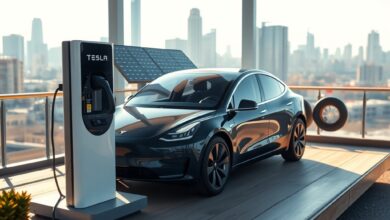
- Access to fast‑charging networks (e.g., Electrify America, ChargePoint) for quick top‑ups on the road.
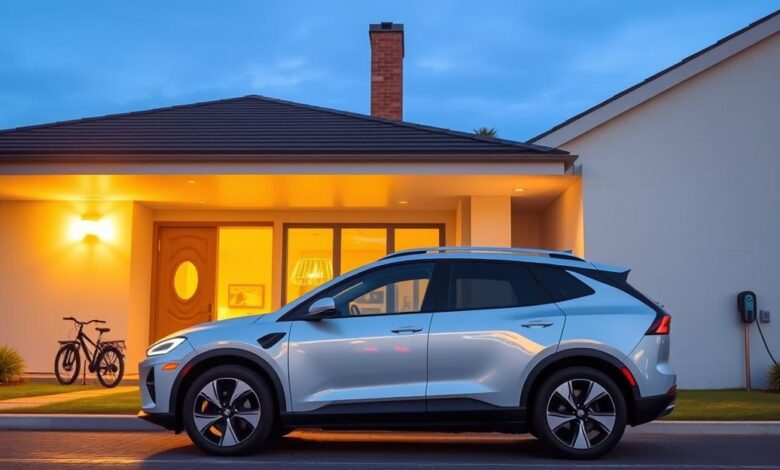
- Home charging options: Level 2 (240 V) installation costs and compatibility.
Safety and Driver‑Assistance Features
- Top safety scores from NHTSA and IIHS.
- Standard advanced driver‑assistance systems (ADAS) such as adaptive cruise control, lane‑keep assist, and automatic emergency braking.
- Family‑focused features like rear‑seat reminder alerts and child‑seat anchors (LATCH).
Cost of Ownership
- Upfront price versus total cost of ownership over five years.
- Eligibility for federal and state EV incentives.
- Insurance premiums for EVs and larger SUVs.
Top Competitors to the 2024 Tesla Model Y
While the Model Y remains a benchmark for performance and tech, several manufacturers have introduced family SUVs that rival its appeal. Below is a curated list of the most notable 2024 contenders, each offering a unique blend of value, features, and practicality.
Ford Mustang Mach‑E AWD
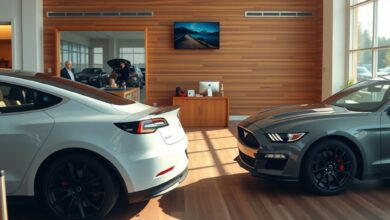
The Mustang Mach‑E brings a sporty heritage to the electric SUV market. Its AWD version delivers up to 300 horsepower and a respectable 300‑mile range, making it a strong alternative for families who crave excitement without sacrificing space.
Volkswagen ID.4 Pro
Volkswagen’s ID.4 Pro focuses on comfort and affordability. With a 260‑mile range, a roomy interior, and a well‑designed infotainment system, it’s a solid choice for budget‑conscious families seeking a reliable EV.
Hyundai Ioniq 5 X
The Ioniq 5 X stands out with its ultra‑fast 800‑volt charging capability, allowing an 80 % charge in just 18 minutes. Its futuristic design and generous interior volume make it a practical yet eye‑catching family SUV.
Kia EV6 GT‑Line
Kia’s EV6 GT‑Line combines sharp styling with a 310‑mile range and a spacious cabin. The vehicle’s advanced driver‑assist suite and optional solar roof for auxiliary power add extra appeal for eco‑focused families.
Subaru Solterra AWD
Subaru’s first all‑electric SUV, the Solterra, inherits the brand’s legendary all‑wheel‑drive system and off‑road capability. With a 280‑mile range and robust safety suite, it’s perfect for families who enjoy outdoor adventures.
Chevrolet Bolt EUV Premier
While technically a crossover, the Bolt EUV Premier offers a competitive price point, a 247‑mile range, and a suite of safety features, making it an attractive entry‑level option for families transitioning to EVs.
Comparison of Leading Family SUVs
| Model/Option | Starting Price | EPA Range / MPG | Key Feature | Pros | Best For |
|---|---|---|---|---|---|
| Tesla Model Y Long Range | $55,990 | 330 miles | Autopilot + Supercharger network | Fast charging, strong resale value | Tech‑savvy families |
| Ford Mustang Mach‑E AWD | $53,500 | 300 miles | Sporty handling | Performance feel, spacious interior | Active families |
| Volkswagen ID.4 Pro | $43,000 | 260 miles | Comfort‑focused cabin | Affordability, user‑friendly tech | Budget‑conscious families |
| Hyundai Ioniq 5 X | $48,750 | 303 miles | 800‑V fast charging | Rapid charge, versatile interior | Long‑distance commuters |
| Kia EV6 GT‑Line | $49,990 | 310 miles | Solar roof option | Stylish design, strong performance | Eco‑enthusiasts |
| Subaru Solterra AWD | $46,500 | 280 miles | Standard AWD | Off‑road capability, safety tech | Outdoor‑oriented families |
| Chevrolet Bolt EUV Premier | $38,995 | 247 miles | Low entry price | Great value, easy to drive | First‑time EV buyers |
Real-World Ownership Costs: Leasing vs. Buying a Family SUV
Choosing between leasing and buying can dramatically affect your financial outlook, especially with premium EVs. Below is a practical framework to help families weigh the pros and cons of each approach.
Leasing Advantages
- Lower monthly payments, freeing up cash for other family expenses.
- Access to the latest technology every 2–3 years without worrying about depreciation.
- Typically includes warranty coverage for the entire lease term, reducing out‑of‑pocket repairs.
Leasing Disadvantages
- Mileage limits (often 10,000–15,000 mi/yr) that can be restrictive for road‑trip‑heavy families.
- Potential fees for excess wear‑and‑tear, which can be higher on larger SUVs.
- No ownership equity; you’ll need to start a new lease or purchase at lease‑end.
Buying Advantages
- Full equity buildup; you can sell or trade in the vehicle later.
- No mileage caps, ideal for families that travel frequently.
- Eligibility for federal tax credits (up to $7,500) if purchased new, reducing effective cost.
Buying Disadvantages
- Higher upfront costs or larger loan payments.
- Depreciation can be steep for EVs, though Tesla models tend to retain value better than most.
- Long‑term maintenance responsibility once the warranty expires.
For most growing families, a 5‑year loan with a modest down payment often strikes the best balance between cost control and flexibility. However, if you anticipate rapid tech upgrades or have predictable mileage, a lease might be the smarter short‑term solution.
Future‑Proof Features to Look for in a Family SUV
Buying a family SUV isn’t just about today’s needs; it’s an investment in years of family adventures. Here are the forward‑looking features that will keep your vehicle relevant as technology evolves.
Over‑The‑Air (OTA) Updates
Vehicles that receive OTA software upgrades stay current with navigation maps, infotainment improvements, and even performance tweaks. Tesla pioneered this, but many rivals now offer similar capabilities, ensuring your SUV remains up‑to‑date without a dealership visit.
Modular Interior Systems
Look for SUVs with removable or reconfigurable seats, integrated USB‑C ports, and wireless charging pads. These modular options adapt to changing family needs, from car seats for toddlers to bike racks for teens.
Advanced Driver‑Assistance (Level 2+)
Features like hands‑free highway driving, traffic‑jam assist, and automated parking are becoming standard. Families benefit from reduced driver fatigue on long trips and added safety in congested school‑run traffic.
Integrated Solar Roofs and Energy Management
Some EVs, like the Kia EV6, now offer optional solar roofs that can extend range by a few miles per day—useful for topping off the battery during sunny school‑run mornings.
Robust Connectivity
A strong 5G or LTE connection enables real‑time vehicle diagnostics, remote climate control, and seamless integration with smart home devices. Families can pre‑heat or pre‑cool the cabin from a smartphone, ensuring comfort on the way to school or work.
How to Test Drive and Evaluate a Family SUV
A thorough test drive is the final gatekeeper before committing to a purchase. Follow this checklist to make sure the SUV meets your family’s expectations.
- First‑Impression Space: Verify headroom and legroom in all three rows, and check cargo capacity with the third row folded.
- Visibility: Ensure a high driving position, wide-angle rear‑view camera, and minimal blind spots.
- Ride Comfort: Drive on city streets and highways; assess suspension smoothing over potholes and bumps.
- Technology Usability: Pair your smartphone, test voice commands, and navigate the infotainment menu without distraction.
- Noise Levels: Listen for wind and road noise at cruising speeds; family SUVs should provide a quiet cabin for conversations.
- Charging Experience: If possible, plug into a public charger to gauge how quickly the battery tops up and how intuitive the process feels.
Checklist for Families with Young Children
- Easy‑to‑reach LATCH anchors for car seats.
- Rear‑seat reminder alerts to prevent forgotten passengers.
- Child‑proof USB ports and climate controls.
- Sturdy interior surfaces that resist spills and scratches.
Checklist for Active Families
- Roof‑rack compatibility for bikes, kayaks, or cargo boxes.
- All‑wheel‑drive or traction‑control systems for varied terrain.
- Durable floor mats and easy‑clean upholstery.
- Spacious rear‑gate opening for loading sports equipment.