
Understanding the Basics of EV Battery Health
The ev battery is the heart of any electric vehicle, dictating range, performance, and long‑term ownership costs. While manufacturers design these packs to last well beyond a typical lease term, real‑world conditions can accelerate wear if owners aren’t mindful. Knowing how a lithium‑ion pack stores and releases energy gives you a solid foundation for the care steps that follow.
Most modern EVs use a high‑voltage battery composed of hundreds of cells arranged in modules. A battery management system (BMS) monitors temperature, voltage, and state‑of‑charge (SOC) to protect against over‑charging, deep‑discharge, and thermal runaway. When the BMS detects an anomaly, it will limit power or shut the vehicle down to preserve safety.
Key metrics to watch include:
- State‑of‑Charge (SOC) – the percentage of energy remaining.
- Depth‑of‑Discharge (DOD) – how far the battery is drained before recharging.
- Temperature range – optimal operation typically sits between 20 °C and 30 °C (68 °F‑86 °F).
Seasonal Impacts on Your ev battery
Weather isn’t just a backdrop; it actively influences battery chemistry. Each season presents distinct challenges that, if ignored, can shave miles off your range or shorten overall pack life.
Summer Heat and Battery Degradation
High ambient temperatures increase the rate of chemical reactions inside the cells. While a warm battery can deliver more power, prolonged exposure above 35 °C (95 °F) accelerates capacity loss. The BMS will often reduce charging speed to keep temperatures in check, but owners can take proactive steps:
- Park in shade or use a covered garage whenever possible.
- Avoid fast‑charging to 100 % on hot days; aim for 80 % to reduce heat buildup.
- Enable pre‑conditioning while the car is still plugged in, so the cabin and battery reach a comfortable temperature before you drive.
Winter Cold and Performance Loss
Cold weather slows ion movement, causing a temporary dip in range—often 15‑30 % in sub‑zero conditions. The BMS may also limit power output to protect the cells. Mitigation strategies include:
- Keep the vehicle plugged in whenever possible to maintain the battery within its optimal temperature window.
- Use the vehicle’s scheduled pre‑heat feature while still connected to grid power, avoiding the need to draw from the battery.
- Charge to a slightly higher SOC (e.g., 90 %) before long trips, as a fuller battery retains heat better.
Daily Habits to Preserve Your ev battery
Consistent, small‑scale actions add up to significant longevity gains. Incorporate these habits into your routine:
- Mind the charge window: Most manufacturers recommend staying between 20 % and 80 % SOC for daily driving.
- Avoid deep discharges: Letting the battery drop below 10 % regularly stresses the cells and can trigger BMS throttling.
- Limit rapid acceleration: Aggressive driving spikes current draw, generating heat that the BMS must dissipate.
- Regularly update software: OTA updates often include BMS refinements that improve thermal management and charging algorithms.
- Monitor tire pressure: Under‑inflated tires increase rolling resistance, forcing the battery to work harder and heat up faster.
Charging Strategies for Every Climate
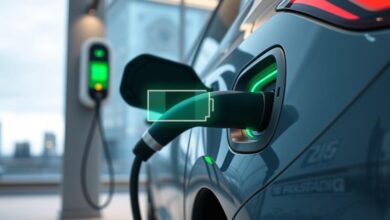
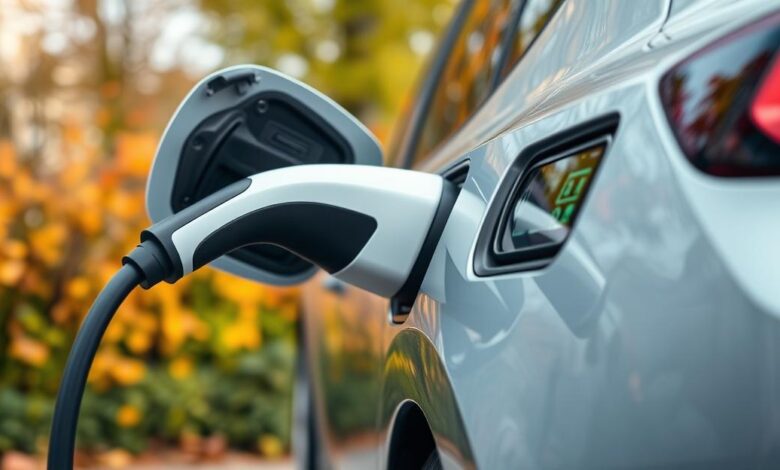
Choosing the right charging method is as important as the charger itself. Understanding the trade‑offs helps you protect the ev battery while meeting daily range needs.
Level 1 (120 V) vs. Level 2 (240 V) vs. DC Fast Charging
Level 1 charging is the slowest, delivering roughly 3–5 miles of range per hour. Because the charge rate is low, it generates minimal heat, making it ideal for overnight home charging in both hot and cold climates.
Level 2 chargers (typically 7–11 kW) balance speed and thermal control, adding 20–30 miles per hour. They’re suitable for daily top‑ups and can be installed in a garage with a dedicated circuit.
DC fast chargers (50 kW and above) can replenish 80 % of the pack in 20–40 minutes. While convenient for long trips, frequent fast charging pushes the battery into higher temperature zones, especially in summer. Use fast chargers sparingly and combine them with scheduled pre‑conditioning to keep temperatures in the safe range.
Comparison of Popular EV Models and Battery Management Features
Key Battery‑Care Technologies Across Leading Brands
| Model | Starting Price | Range (EPA) | Battery Warranty | Thermal Management | Best For |
|---|---|---|---|---|---|
| Tesla Model Y | $49,990 | 330 miles | 8 years/120,000 miles | Active liquid cooling & heat pump | Tech‑focused commuters |
| Ford Mustang Mach‑E | $44,095 | 305 miles | 8 years/100,000 miles | Passive air cooling with active pre‑heat | Family adventure seekers |
| Hyundai Ioniq 5 | $41,450 | 303 miles | 10 years/100,000 miles | Advanced liquid cooling + heat pump | Urban drivers who need fast charging |
| Volkswagen ID.4 | $38,995 | 260 miles | 8 years/100,000 miles | Passive air cooling, optional heat pump | Budget‑conscious shoppers |
Notice how models with sophisticated liquid‑cooling systems (Tesla, Hyundai) tend to retain capacity better in extreme temperatures. When choosing an EV, consider not just range but how the vehicle manages heat—especially if you live in a climate with hot summers or frigid winters.
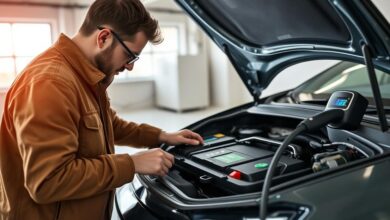
When to Service and How to Diagnose Battery Issues
Even with diligent care, batteries can develop problems. Early detection prevents costly replacements and keeps your EV safe on the road.
- Warning lights: A battery‑related warning on the dashboard usually triggers a diagnostic check via the vehicle’s telematics app.
- Rapid range drop: If you notice a sudden 10 %+ decrease in estimated range, schedule a BMS scan.
- Unusual heating: Excess heat during charging or while parked may indicate a failing cell or cooling system malfunction.
- Software alerts: OTA updates sometimes flag battery health concerns that require dealer inspection.
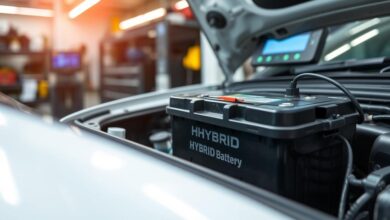
Most manufacturers offer a complimentary battery health report during the warranty period. Beyond that, a professional service can perform a capacity test (often called a “state‑of‑health” test) to quantify remaining usable capacity. If the test shows less than 70 % of original capacity, consider whether a battery replacement or a lease‑end buy‑back program makes financial sense.
Long‑Term Planning: Resale Value and Battery Longevity
Battery health directly influences resale price. Prospective buyers look for a high state‑of‑health (SOH) percentage and a robust warranty transfer. To maximize value:
- Maintain detailed charging logs that show adherence to recommended SOC windows.
- Keep service records, especially any BMS updates or battery inspections.
- Consider a “battery health certification” from the dealer before listing the vehicle.
By treating your ev battery as a long‑term investment rather than a disposable component, you’ll enjoy better performance today and a stronger trade‑in value tomorrow.
FAQ
Is it better to charge my EV to 100 % or 80 % for daily driving?
For most daily commutes, charging to 80 % is optimal. It reduces heat buildup and limits the depth of discharge, both of which extend battery life. Reserve 100 % charges for long trips where maximum range is needed.
How often should I pre‑condition my EV in extreme weather?
Pre‑condition whenever the vehicle will sit parked for more than an hour in very hot or cold conditions. Doing so while the car is still plugged in uses grid power instead of the battery, preserving range.
Can I use any public charger, or do I need a specific network?
Most EVs support the CCS (Combo) standard in North America and Europe, and CHAdeMO in some Asian markets. Ensure the charger matches your vehicle’s inlet and that the power level (kW) is compatible with the BMS settings.
What is the typical lifespan of an ev battery?
Most manufacturers guarantee their batteries for 8–10 years or 100,000–150,000 miles. Real‑world longevity often exceeds these limits, especially when owners follow best‑practice charging and temperature management.
Should I service my EV battery at a dealership or an independent shop?
Battery diagnostics and warranty work are best handled by authorized dealers, as they have the proprietary BMS software. Independent shops can perform routine inspections, but may lack the tools for in‑depth analysis.