2024 Tesla Model Y vs Ford Mustang Mach‑E Which Electric SUV Wins for Families

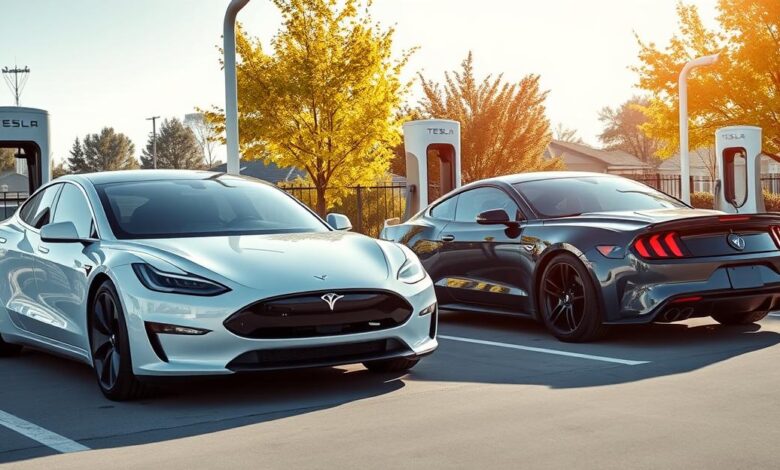
Why Families Are Turning to Electric SUVs
The automotive landscape is undergoing a rapid electrification, and families are at the forefront of this shift. Electric SUVs combine the practicality of a spacious crossover with the environmental benefits and low operating costs of a battery‑electric powertrain. For parents juggling school runs, weekend adventures, and daily commutes, the promise of instant torque, reduced fuel expenses, and access to growing charging networks is a compelling proposition. As manufacturers refine their offerings, the market now features several compelling options that promise to meet the unique demands of family life without compromising on style or performance.
Key Buying Criteria for Families
When evaluating an electric SUV for family use, it’s essential to move beyond headline specs and focus on real‑world practicality. Below are the three pillars that should guide your decision‑making process.
Space and Seating
- Second‑row legroom: Look for at least 38 inches of knee clearance for teenage passengers.
- Third‑row availability: A fold‑flat third row adds flexibility for larger families or occasional cargo.
- Cargo capacity: Aim for 30+ cubic feet behind the second row and 70+ cubic feet with rear seats folded.
Range and Charging
- Real‑world range: EPA estimates are a good baseline, but consider your typical daily mileage and climate impact.
- Fast‑charging capability: Vehicles that support 150 kW or higher can add 80 % charge in under 30 minutes—crucial for road trips.
- Home‑charging infrastructure: A 7.2 kW Level 2 charger installed in the garage can fully replenish most family‑size EVs overnight.
Safety and Technology
- Advanced driver‑assist systems (ADAS): Features like adaptive cruise control, lane‑keeping assist, and automatic emergency braking improve family safety.
- Child‑seat compatibility: Verify LATCH anchor points and rear‑seat width to ensure a secure fit for car seats.
- Infotainment and connectivity: Dual‑screen setups, rear‑seat USB ports, and Wi‑Fi hotspot capability keep kids entertained on longer drives.
2024 Tesla Model Y: What It Brings to the Family Table
The Tesla Model Y has quickly become a benchmark for electric SUVs thanks to its blend of performance, technology, and a growing Supercharger network. Below is a practical breakdown of what makes the 2024 Model Y a strong contender for families.
Performance and Efficiency
- Dual‑motor all‑wheel drive delivers 0–60 mph in 4.8 seconds—quick enough for merging onto highways while still being comfortable for everyday driving.
- EPA‑rated range of 330 miles (Long Range) provides ample buffer for weekend getaways without frequent charging stops.
- Energy consumption of 28 kWh/100 mi translates to lower electricity bills compared with many gasoline SUVs.
Interior Practicality
- Standard seven‑seat layout with a 48‑inch cargo floor when the third row is folded, offering up to 68 cubic feet of storage.
- Panoramic glass roof adds a sense of openness for kids, though it can increase cabin temperature on sunny days.
- Center console includes two USB‑C ports and a wireless charging pad—handy for charging phones and tablets on the go.
Cost of Ownership
- Base price starts at $49,990, but federal tax credit eligibility can reduce the effective cost by up to $7,500.
- Maintenance costs are low due to fewer moving parts; Tesla’s over‑the‑air updates also keep software current without dealer visits.
- Supercharger network pricing averages $0.28/kWh, but many families can offset this with home charging at $0.13/kWh.
2024 Ford Mustang Mach‑E: Family‑Focused Features
Ford’s Mustang Mach‑E brings a sporty heritage to the electric crossover segment, offering a distinct alternative to the Tesla. Its design prioritizes comfort and versatility, making it a worthy option for families seeking a blend of performance and practicality.
Performance and Efficiency
- Available in rear‑wheel drive (RWD) and all‑wheel drive (AWD) configurations; the AWD “Extended Range” version hits 0–60 mph in 5.1 seconds.
- EPA‑rated range varies from 230 miles (Standard Range) to 305 miles (Extended Range), providing flexibility based on budget and driving habits.
- Fast‑charging capability up to 150 kW adds roughly 80 % charge in 30 minutes at compatible stations.
Interior Practicality
- Two‑row seating with generous legroom; the rear seats fold flat for a maximum cargo volume of 59.7 cubic feet.
- Large 15.5‑inch vertically oriented infotainment screen supports Apple CarPlay, Android Auto, and Ford’s SYNC 4 system.
- Multiple USB‑A and USB‑C ports throughout the cabin ensure that every passenger can keep devices powered.
Cost of Ownership
- Starting MSRP of $46,995; eligible for a $7,500 federal tax credit and additional state incentives.
- Ford offers a 10‑year/100,000‑mile battery warranty, providing peace of mind for long‑term family use.
- Home charging costs are comparable to the Model Y, and Ford’s partnership with Electrify America offers discounted rates at select stations.
Side‑by‑Side Comparison of the 2024 Tesla Model Y and Ford Mustang Mach‑E
Comparison of Core Specs for Families
| Model/Option | Starting Price | EPA Range | Seating Capacity | Cargo Volume (ft³) | Key Family Feature |
|---|---|---|---|---|---|
| Tesla Model Y Long Range (AWD) | $49,990 | 330 miles | 7 (optional third row) | 68 (with third row folded) | Extensive Supercharger network & over‑the‑air updates |
| Ford Mustang Mach‑E Extended Range (AWD) | $46,995 | 305 miles | 5 | 59.7 (rear seats folded) | 10‑year battery warranty & SYNC 4 infotainment |
Financing and Ownership Considerations for Electric SUVs
Purchasing an electric SUV involves more than the sticker price. Understanding financing options, incentives, and long‑term costs can make a significant difference to your family budget.
Lease vs. Purchase
- Leasing offers lower monthly payments and the ability to upgrade to newer technology every 2–3 years, which is attractive for tech‑savvy families.
- Buying (loan or cash) builds equity and eliminates mileage restrictions—important if your family frequently travels long distances.
- Consider the residual value: Tesla’s strong resale values can make leasing more cost‑effective, while Ford’s competitive warranty may favor purchase for long‑term ownership.
Incentives and Tax Credits
- Federal tax credit of up to $7,500 applies to both models, but eligibility depends on manufacturer caps and your tax liability.
- State and local rebates can add an extra $2,000–$5,000, especially in states with aggressive EV adoption programs.
- Utility companies often provide discounted home‑charging rates or rebates for installing Level 2 chargers.
Total Cost of Ownership (TCO)
- Electricity vs. gasoline: On average, electricity costs $0.13/kWh, resulting in an equivalent of $3–$4 per 100 miles, dramatically lower than gasoline SUVs that cost $12–$15 per 100 miles.
- Maintenance savings: No oil changes, fewer brake replacements (thanks to regenerative braking), and fewer moving parts reduce service visits.
- Depreciation: Both the Model Y and Mach‑E hold value well, but the Model Y’s higher demand can lead to slower depreciation.
Future Outlook: How Electric SUVs Will Evolve for Families
The next wave of electric SUVs promises even greater range, faster charging, and smarter interior designs tailored to family needs. Anticipated trends include:
- Extended-range batteries delivering 400+ miles on a single charge, reducing range anxiety for cross‑country trips.
- Integrated solar roofs that can add a few extra miles per day—useful for families who park outdoors.
- Advanced ADAS suites with hands‑free highway driving, making long commutes less stressful for parents.
- Modular interiors with configurable seating and cargo solutions, allowing families to adapt the vehicle for sports equipment, strollers, or pet travel.
Manufacturers are also investing heavily in expanding public charging infrastructure, which will make spontaneous road trips more feasible for families nationwide.
Frequently Asked Questions
Is it better to lease or buy an electric SUV for a family?
Leasing provides lower monthly payments and the flexibility to upgrade as technology improves, which can be appealing for families who value the latest features. Buying, however, eliminates mileage caps and builds equity, making it a better choice if you drive long distances regularly or plan to keep the vehicle for many years.
How much does it cost to charge an electric SUV at home?
At an average residential electricity rate of $0.13 per kWh, a 75 kWh battery (typical for many electric SUVs) costs about $9.75 for a full charge. This translates to roughly $0.30 per mile, significantly cheaper than gasoline.
What range should a family look for in an electric SUV?
For most families, a real‑world range of 250–300 miles provides a comfortable buffer for daily commutes, school runs, and occasional weekend trips without needing to stop for a charge.
Are electric SUVs safe for children?
Yes. Both the Tesla Model Y and Ford Mustang Mach‑E earn high safety ratings from NHTSA and IIHS. Look for features such as multiple airbags, advanced driver‑assist systems, and child‑seat anchor points (LATCH) in the rear seats.
Can I install a Level 2 charger in a rental property?
Many landlords allow Level 2 charger installations, especially if the tenant covers the cost. Check local regulations and lease agreements, and consider portable chargers that can be moved if you relocate.